
Protecting families from contaminated food and water
All fields are required
Protecting families from contaminated food and water
Posted in Our Blog,Outbreaks & Recalls on February 11, 2026
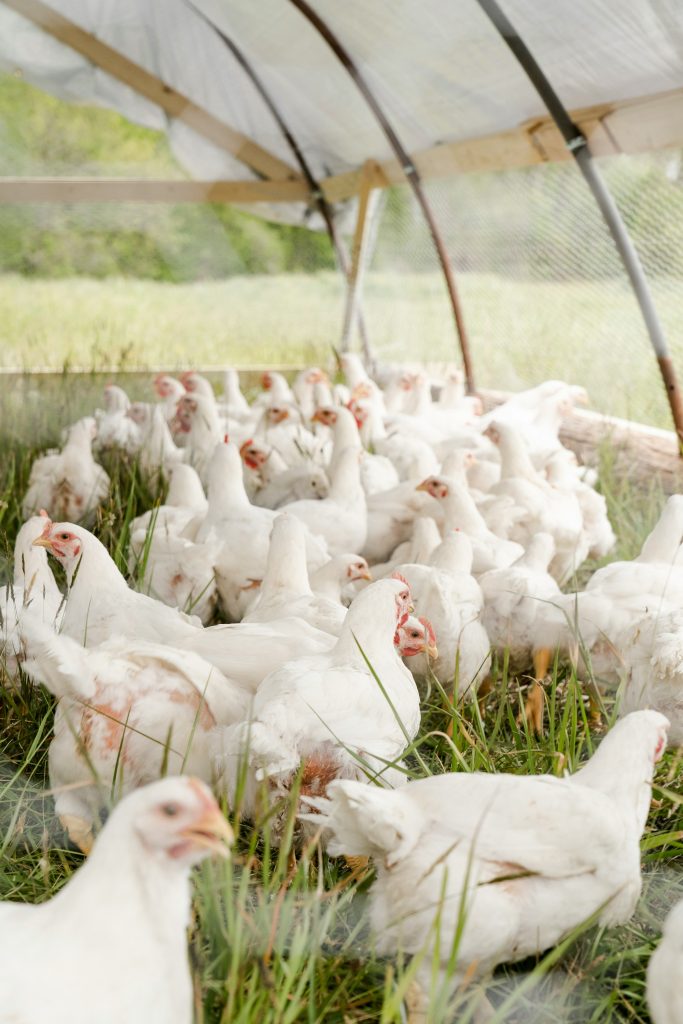
The number of confirmed Highly Pathogenic Avian Influenza, HPAI detection continue to mount. Just this week over a million commercial laying chickens in Colorado were impacted. But they are not the only farm impacted. HPAI continues to spread throughout the country, affecting commercial farms and backyard flocks alike.
What is HPAI and how do HPAI detections affect consumers. Is there a risk to humans? How do I know if I have bird flu?
Here’s what we know right now about the recent HPAI detections and overall trends.
Over a million (1.3 million to be more accurate) commercial table egg laying chickens in Weld County, Colorado have been recently affected by HPAI, according to the US Department of Agriculture’s Animal and Plant Health Inspection Services (APHIS).
In addition to the Weld County farm, another commercial table egg layer farm facility in Lancaster County, Pennsylvania had 722,000 birds affected.
Just yesterday a commercial turkey meat bird facility, also in Lancaster, Pennsylvania had 36,000 and another 25,100 affected birds at a World Organization for Animal Health (WOAH) poultry facility.
Nearly every day the “Confirmed HPAI Detections” table is updated.
Within the last 30 days, avian flu has been detected in 59 flocks, including 19 commercial flocks and 34 backyard poultry flocks. A total of 4.69 million birds have been affected during that rolling 30 days.
Wild bird detections have also been noted. For example, APHIS indicates 25 specific detections including several Canada geese in multiple counties in New York. As well as Canada geese in Garfield County, Oklahoma.
Detections are higher in the fall and spring, “because we continue to see wild birds spreading virus as they migrate to their seasonal homes,” says APHIS.
For this reason, APHIS works with State and local animal health officials with surveillance efforts to identify HPAI in commercial, backyard, and wild birds.
According to APHIS, there are more than 378.5 million egg-laying chickens in the United States. Recent reports indicate more than 9.4 billion broiler chickens and 218 million turkeys are processed in the United States.
HPAI is a highly pathogenic avian influenza virus that originated in birds, but has expanded to humans, then to cows, then from infected cows to humans.
It is complicated.
Fortunately, the highly pathogenic (deadly nature) of HPAI applies specifically to birds. Most of the time, cows are asymptomatic. Humans also typically experience mild illnesses. However, there have been some exceptions.
Another aspect of bird flu in our favor is that the illness is not typically spread between people. It is spread easily between birds, and between birds and other animals. But it is not contagious in humans.
According to the Centers for Disease Control and Prevention (CDC), “the current public health risk is low for H5 bird flu,” HPAI. “CDC is watching the situation carefully and working with states to monitor people with exposures to animals that are infected or potentially infected with avian influenza A viruses.”
The CDC also notes that “surveillance systems show no indicators of unusual influenza activity in people.”
Symptoms associated with HPAI range from mild to severe.
Common HPAI symptoms include:
As you may have noticed, these symptoms aren’t all that different from other illnesses. Those experiencing symptoms after exposure to poultry or other infected animals should be evaluated. Cases are referred to their respective local or state public health agency to assess whether testing, isolation, and/or treatment is necessary on a case-by-case basis.
Beyond direct exposure to bird flu, which most Americans will not encounter, you may be wondering how these HPAI detections affect the general public.
HPAI detections, whether you realize it or not, affect consumers.
Mostly consumer wallets.
Take the commercial table egg laying chicken HPAI detections. When HPAI is detected on a poultry farm, all chickens exposed are culled. The illness spreads so rapidly and is quickly fatal. This is the only effective method to stop the process.
To put this into perspective. It takes around six months for a hatched chicken to start laying small eggs. A bit longer for them to lay medium eggs. Longer still for large eggs. You get the picture.
A loss of over 1 million laying hens in a commercial egg farm is a huge setback.
While new chickens are being raised to maturity, fewer eggs are available to the market. That means fewer eggs in distribution. Fewer eggs on store shelves. It doesn’t take a financial analyst to understand that this eventually increases the price of a dozen eggs.
For this reason, more and more consumers are raising their own back yard chickens.
They are entertaining. They produce food almost daily. With the right set-up, they are also fairly easy to maintain.
However, backyard chickens are not immune to these risks. In fact, more backyard chicken flocks are impacted by HPAI than commercial farms. This is because “biosecurity” is significantly lower in backyard flocks. Most backyard chickens are exposed to other birds in their yards. Unless confined to a coop, wild birds may fly over, roost nearby, and come into contact with domestic birds.
Additionally, this direct exposure to potentially infected birds increases your risk of contracting bird flu.
I am not saying people should not raise their own chickens or consider doing so. After all, I have over a dozen fluffy butts in my own backyard.
However, I would advise those with backyard chickens to wear appropriate protection when cleaning out their coop and run, wash your hands after coming into contact with them, wear dedicated shoes that you do not wear inside while in their area, and watch children when they are interacting with them.
If you’d like to know more about food safety topics in the news, like “Confirmed Bird Flu HPAI Detections on the Rise, Over a Million Commercial Layers in Colorado Affected,” check out the Make Food Safe Blog. We regularly update trending topics, foodborne infections in the news, recalls, and more! Stay tuned for quality information to help keep your family safe, while The Lange Law Firm, PLLC strives to Make Food Safe!
By: Heather Van Tassell (contributing writer, non-lawyer)