
Protecting families from contaminated food and water
All fields are required
Protecting families from contaminated food and water
Posted in Legionella,Legionnaire's disease,Our Blog,Outbreaks & Recalls on February 17, 2026
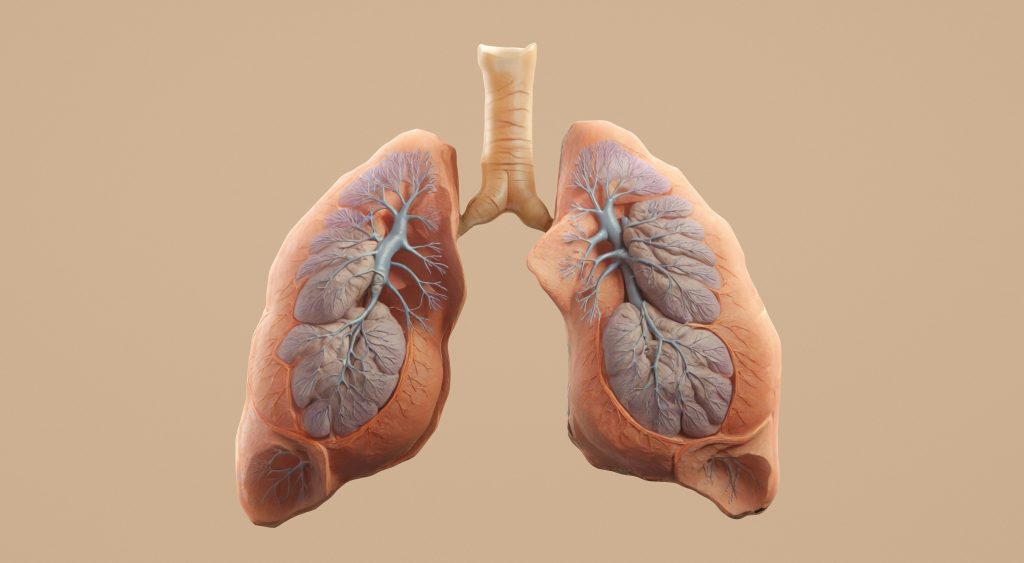
A possible outbreak of Legionnaires’ disease in Albuquerque, New Mexico might be linked to an area hotel.
Quality Inn & Suites, located at 6100 Iliff Road NW.
If you have recently stayed at this hotel or one in the area and have developed pneumonia symptoms, have been diagnosed with pneumonia, or diagnosed with Legionnaires’ disease, you may be a part of this outbreak.
What exactly is Legionnaires’ disease and where does it come from? Is it contagious? How do you know if you have Legionnaires’ disease and what should you do if you experience symptoms?
If you have been impacted by Legionnaires’ disease in Albuquerque from an area hotel, you may be entitled to compensation for lost income, medical bills, and other burdens associated with Legionnaires’ disease
Legionnaires’ disease is caused by inhaling microscopic Legionella bacteria suspended in aerosolized water droplets. Essentially water mist. Inhaling this mist can move these waterborne bacteria into your lungs where they can cause infection.
According to New Mexico Health Department, “The bacteria are found naturally in the environment, usually in water. The bacteria grow best in warm water environments found in hot tubs, water towers, and air-conditioning systems of large buildings.”
New Mexico Health Department explains that even steam from a hot tub that has not been properly cleaned and maintained can cause illness.
Certain human-made water systems are better suited for growing and spreading harmful Legionella bacteria. But anything that generates a mist or spray can spread bacteria.
The specific source of Legionnaires’ disease in Albuquerque is unclear, however, there are a few common sources of interest.
Some of the more common sources of Legionnaires’ disease include:
Not all air conditioning systems are vulnerable. For example, cars and most home air-conditioning systems are not a risk for Legionella growth. These types of systems do not use water to cool the air.
Unlike most other respiratory illnesses, Legionnaires’ disease is not contagious. You cannot get Legionnaires’ disease from someone who is infected.
So, if you have been around someone who got Legionnaires’ disease in Albuquerque, you are unlikely to become sick.
If you have recently stayed at a hotel in Albuquerque, New Mexico and recently fell sick, you may be wondering if it is connected to this potential Legionnaires’ disease outbreak.
The only way to know for sure if your illness is Legionnaires’ disease and not some other respiratory illness is a specialized laboratory test.
Legionnaires’ disease is an often-underdiagnosed illness. This is because symptoms of Legionnaires’ disease are very similar to other types of pneumonia illnesses. In fact, Legionnaires’ disease is often indistinguishable from regular pneumonia, even on a chest x-ray.
Legionnaires’ disease generally produces respiratory and flu-like symptoms.
Common symptoms of Legionnaires’ disease include:
These symptoms usually begin around 2 to 14 days after exposure. However, in some cases, illness may take longer to present.
Other symptoms may include diarrhea, nausea, and/or confusion.
Anyone exposed to Legionella bacteria is at risk of contracting Legionnaires’ disease. However, there are some groups of people who are more likely to become sick if exposed, or experience more serious illness if they become sick.
Those at increased risk include:
Legionnaires’ disease symptoms should be taken very seriously. Most Legionnaires’ disease cases require hospitalization. These illnesses can be fatal. 1 in 10 individuals with Legionnaires’ disease will die from complications of their illness. In a health care setting, this risk elevates to 1 in 4.
If you begin experiencing symptoms of Legionnaires’ disease around two weeks after visiting, staying at, or working in Albuquerque, New Mexico, there are a few things you should do.
Legionnaires’ disease can be treated with normal pneumonia treatments. However, accurate diagnosis is key for faster recovery.
Reach out to your healthcare provider right away. Notify them of your recent exposure risk to help expedite appropriate laboratory tests.
Specialized treatment protocols specifically for Legionella bacterial infections will aid in faster recovery and much better outcomes. The faster diagnosis is determined and treatment administered, the better your chances for full recovery.
Health officials may need more details to understand the entire situation. Are the cases of Legionnaires’ disease in Albuquerque limited to the suspected Quality Inn & Suites hotel. Or are there other area hotels with similar illnesses? Are there other overlapping factors between Legionnaires’ disease patients?
This information is often requested by local health authorities in the form of a list of places you have stayed or visited in the weeks prior to your illness.
It is a good idea to make this list as soon as you feel well enough to do so. This will help ensure it is as accurate as possible. If you have stayed at a hotel in Albuquerque, receipts and emails documenting your stay are also helpful to have on hand.
Legionnaires’ disease is a preventable illness. Simple routine maintenance keeps these harmful germs from growing and infecting those entering the facility. Even more importantly, this maintenance is required by health authorities.
Lapses in these safety protocols leave guests vulnerable to illness.
Medical bills, lost wages, and other burdens associated with Legionnaires’ disease add up. An experienced Legionnaires’ disease lawyer can help answer questions you may have about your situation and point you toward the resources you need. If you wish to make a legal claim, they can help you every step of the way.
The Lange Law Firm, PLLC has won millions of dollars in Legionnaire’s’ disease cases for families in situations just like yours.
If you or a family member has visited or stayed at Quality Inns & Suites or another Albuquerque area hotel and have been impacted by Legionnaires’ disease, The Lange Law Firm, PLLC has a Legionnaires’ disease lawyer that can help.
Call (833) 330-3663 or send an email for a free, no-obligation consultation.
By: Heather Van Tassell (contributing writer, non-lawyer)