
Protecting families from contaminated food and water
All fields are required
Protecting families from contaminated food and water
Posted in Food Safety,Our Blog on April 30, 2026
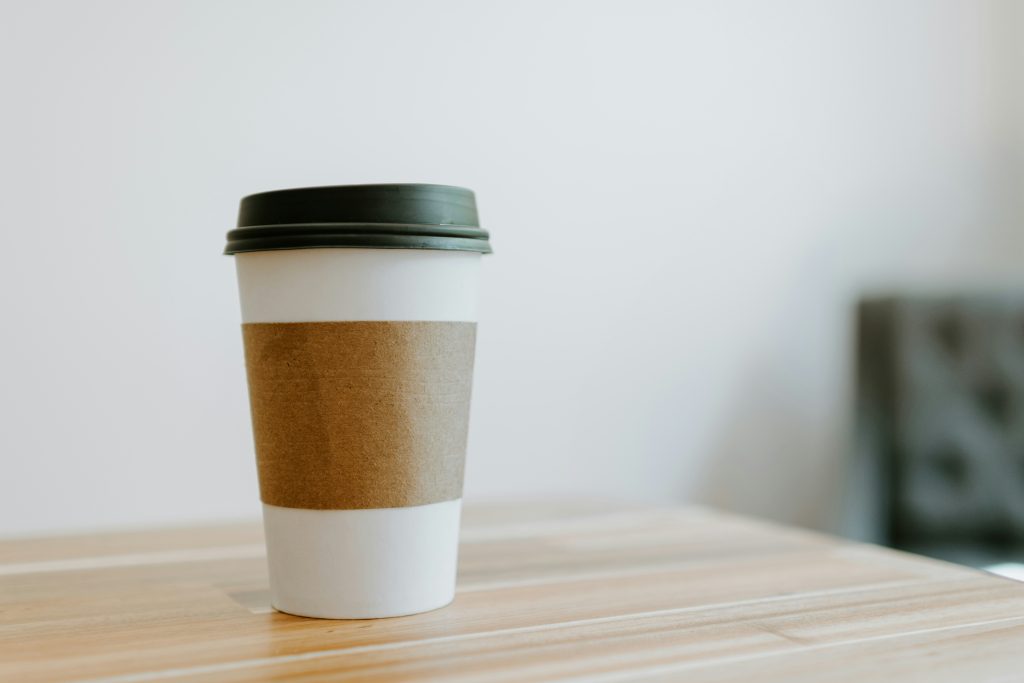
Microplastics in to-go cups can be a dangerous part of your morning routine. Australian scientists say that hot coffee contributes to increased release of microplastics in to-go cups. Even paper-based cups, which are often internally coated with polyethylene.
With coffee consumption only increasing in popularity, and our collective on-the-go mindset, microplastics in to-go cups are a growing concern.
According to the study, 16 billion coffee cups are disposed of (globally) each year. These disposable coffee cups pose both a concern to the coffee consumer and the general public as the waste material breaks down into the environment.
Reports indicate that the potential problem is far from over.
Reports indicate that daily coffee consumption has hit a 20-year high among adults in the United States. At least two thirds of people in a National Coffee Association report indicate that they have consumed coffee within the past day.
The report indicated that ready-to-drink coffee has leaped to number three on the list of most common coffee preparations. Further reinforcing our desire to consume this beverage on the go.
But this disposable and travel-friendly concept may be damaging more than our wallets. It could be damaging our hearts, our fertility, and our life.
In a recent study titled, Release of Microplastics from Commonly Used Plastic Containers: Combined Meta-Analysis and Case Study, published in the February 2026 issue of Journal of Hazardous Material: Plastics, Australian scientist studied microplastic production in to-go coffee cups.
This study was designed to better understand “the roles of temperature, polymer, container (or cup) material, and soaking time in [microplastic] release.”
In addition to a meta-analysis of 237 observations from 30 peer-reviewed studies, these scientists conducted an experimental case study that compared microplastic release from two different cup types. Polyethylene (PE) cups. As well as PE-coated paper cups.
According to meta-analysis discovered through combing through previous data, increased temperatures significantly increased the quantity of microplastics released from these containers. The number of particles ranged from hundreds to over eight million particles depending on the type of polymer analyzed.
Temperature, more so than soaking time, significantly increased the number of microplastics released.
For their experiment, two popular freshly made beverage brands were investigated to determine the commonly used polymer for to-go cups in Brisbane, Australian. both plastic and paper cups were analyzed.
Then, researchers exposed these cups to liquids at 5 °C (41 °F) and 60 °C (140 °F) to represent both iced and hot coffee products.
Their findings revealed PE-coated paper cups consistently released fewer microplastics than their PE plastic cup counterparts. Both at 5 °C and 60 °C. In fact, 32.7% more microplastics were released from PE plastic cups when temperatures rose to 60 °C. Which was not observed in the PE-coated paper cups.
According to surface analysis, the texture of the PE cups may account for increased microplastic shedding. These cups had “higher surface and peak-to-valley roughness,” which scientists say could account for the increase in observed microplastic shedding.
Microplastics are invading our environment and bodies at an alarming rate. But what exactly are microplastics anyway?
When we say micro in this context, we generally mean that the plastic materials shed are so small that they cannot be detected by the human eye or touch. Though there are ranges in size for these miniscule particles.
Generally, microplastics are described as measuring less than 5 millimeters in length. Under 1 micron, microplastics are often referred to as nanoplastics.
Oftentimes microplastics enter our bodies through food, drinking water, or even from breathing in air that is contaminated with microplastics. Though most of often food and drink account for the bulk of our exposures.
In fact, an estimated 52,000 microplastic fragments enter each of us every year through food alone!
Some studies show that in addition to inhalation, they can also enter through the skin through sweat glands, hair follicles, or open wounds.
In many cases, microplastics themselves are porous. Which allows them to absorb harmful chemicals like heavy metals, pesticides, and polychlorinated biphenyls (PCBs).
These microplastics and hijacking chemicals can get into your cells at the molecular level. Which I don’t think I have to tell you cannot be good. Our cells are not meant to contain plastic. Microplastic exposure has been linked to heart issues, infertility, and a host of other systemic health problems. Including inflammation, metabolism, and cellular survival.
Despite the prevalence of microplastics in to-go cups and many of our everyday items, little is known about exactly how the human body absorbs, metabolizes, or eliminates these tiny particles.
As a consumer, does knowing the prevalence of microplastics in to-go cups impact your coffee behavior? How about your opinion of disposable or single-use containers?
While, as a society we are slowly moving to a more eco-friendly and reusable mindset, convenience will always be a factor. So will availability. After the COVID pandemic, many places that offered refillable service or “bring your own cup” options discontinued the practice.
Six years later, some businesses are returning to this cost saving option. But not all of them.
Could the answer truly be as easy as bringing my own stainless steel or glass travel container to the local coffee shop or gas station make a difference?
It might.
If you’d like to know more about food safety topics in the news, like “Are There Microplastics in To-Go Cups? Your Morning Coffee May Be Poisoning You!” check out the Make Food Safe Blog. We regularly update trending topics, foodborne infections in the news, recalls, and more! Stay tuned for quality information to help keep your family safe, while The Lange Law Firm, PLLC strives to Make Food Safe!
By: Heather Van Tassell (contributing writer, non-lawyer)