
Protecting families from contaminated food and water
All fields are required
Protecting families from contaminated food and water
Posted in Our Blog,Outbreaks & Recalls,Water on June 3, 2026
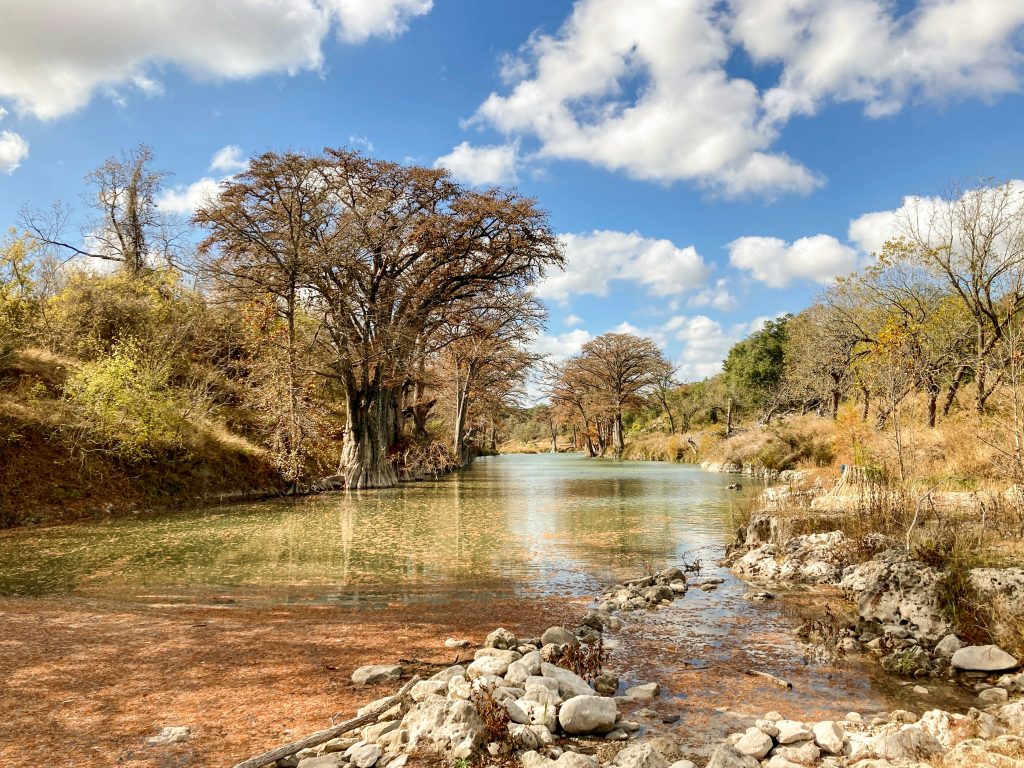
A wastewater treatment failure dumped sewage into the Guadalupe River last week! For some, this problem may impact early summer plans. According to American Rivers, a waterway and wildlife advocacy group, “3.5 million Americans get sick each year after swimming, boating, fishing, or otherwise touching water they thought was safe.”
How does something like this happen? What is being done to protect residents and tourists? Is Drinking water safe? What kind of germs may be lurking in the river?
Here’s what we know so far about the unauthorized discharge of sewage in the Guadalupe River.
On May 27, 2026, a storm system caused a temporary power outage at the Rio Bar Screen Facility, located at 470 Rio Lane. This outage resulted in an estimated 550,000 gallons of sewage wastewater to entering into the Guadalupe River north of Lake Dunlap.
According to New Braunfels Utilities, the power outage began somewhere around 1 a.m. and was restored three hours later at 4 a.m after electricity recovery crews discovered the problem while responding to residents’ power outages. Meanwhile, wastewater flowed into the tourist waterway.
There is usually a backup system that picks up in situations like this. However, that backup system was down for scheduled maintenance at the time, says New Braunfels Utilities CEO Ryan Kelso.
Compounding the problem, the UPS backup battery system that is used to alert the control center if power is lost also didn’t work as intended. So staff were not alerted that the facility had lost power. As a result, action was delayed in getting the facility online.
Meanwhile, hundreds of thousands of gallons of sewage was being dumped into the Guadalupe River just as summer activities are kicking off.
Once New Braunfels Utilities became aware of the situation, “crews responded immediately to contain the release, minimize environmental impacts, and begin cleanup and monitoring efforts.”
Once staff discovered the Rio Bar Screen Facility was dumping sewage in the Guadalupe River, remediation activities were initiated to “minimize environmental impacts.”
New Braunfels Utilities began by removing debris from impacted ground areas and applying disinfectant treatments to reduce bacteria and contamination. The company claims that “based on initial observations, the spill appears to have been significantly diluted by stormwater runoff and river flow conditions.”
After disinfection treatments were performed, New Braunfels Utilities conducted water quality sampling both upstream and downstream of the discharge location.
According to their reports, downstream levels are currently at or below levels measured from samples obtained from areas upstream of the impacted area.
New Braunfels Utilities says that their testing is complete, and the mitigation efforts have been concluded.
With float season coming and tourists flocking to the Guadalupe to camp and play, people are asking, “is the river safe?”
In a statement, the utility company said, “we recognize how important our river system is to our community, local businesses, and tourism.” But passed the answer to that question off to “all recreational river should follow local guidelines.”
The power outage that resulted in dumping sewage in the Guadalupe River is not related to drinking water in the area. According to New Braunfels Utilities, “there is no impact on NBU’s drinking water system.”
Human waste can carry a number of germs. When spread to recreational water, like the Guadalupe River, people can get sick.
This can happen when small amounts of river water enter the digestive system. Which can happen if people do not wash their hands prior to eating if they have river water on them. Or small splashes of water on the face or lips that end up in the mouth.
It doesn’t take much.
What kind of germs are we talking about?
Escherichia coli or E. coli is one of the more common germs associated with sewage runoff. These bacteria are a normal part of the human digestive system. In fact, certain E.coli are included in coliform tests to determine the presence of other harmful germs in water samples.
But not all of them are harmless. Some of them cause serious illness. Some produce harmful toxins. E. coli O157:H7, for example.
This germ can cause watery or bloody diarrhea, abdominal cramps, nausea, vomiting, and fever. Up to 7% of people with E. coli O157:H7 infections may even develop a type of kidney complication called hemolytic uremic syndrome which can result in kidney failure or even death. This complication is more common in children under the age of five and people with a weakened immune system.
Cryptosporidiosis (often referred to as “crypto”) is a common illness caused by exposure to sewage wastewater. It is caused by the microscopic parasite Cryptosporidium and is a common waterborne infection in the United States.
This germ is especially dangerous because its protective outer shell allows it to survive outside the body and in the environment for long periods of time. It can even resist chlorine decontamination.
While some people may exhibit no symptoms of this infection, others may have diarrhea, loose or watery stools, stomach cramps, upset stomach, and a slight fever.
Campylobacteriosis is another illness caused by fecal bacteria commonly found in sewage. It is caused by infection with Campylobacter bacteria. In fact, it is the most common diarrheal illness in the United States.
Common symptoms of campylobacteriosis include bloody diarrhea, cramping, abdominal pain, nausea, vomiting, and fever.
Salmonella is another common fecal bacteria found in sewage. Intestinal symptoms often include diarrhea, fever, and abdominal cramps. However, this germ does not always stay in the digestive tract. It can burrow into the intestinal membrane and breach the capillaries found there. Left untreated, it can enter the bloodstream and infect other parts of the body, causing serious complications and death.
Another common fecal bacteria that could be lurking in the Guadalupe River is Shigella. This germ is responsible for shigellosis. An illness marked by bloody diarrhea, fever, and stomach cramps. Severe infection may result in high fevers, which can lead to seizures. Especially in young children.
The liver disease known as hepatitis A is also spread through fecal-oral route. Sewage dumped into the Guadalupe River may contain this dangerous virus. Adults often experience symptoms, while children tend to be asymptomatic.
Hepatitis A symptoms often include jaundice, fatigue, abdominal pain, loss of appetite, nausea, diarrhea, and fever. Around 15% of people with hepatitis A experience prolonged, relapsing symptoms for nearly a year.
If you have become sick after swimming or floating in the Guadalupe River, you may have questions.
One of the first things you will need to do is seek medical attention. A proper diagnosis important to understand treatment options. Only specialized tests can determine the type of illness you have.
It is also a good idea to get advice from a lawyer.
If you have been seriously impacted by your illness, The Lange Law Firm, PLLC has a lawyer that can help. They can help answer your questions, point you in the direction of resources, and represent you as needed.
Call (833) 330-3663 for a free, no-obligation consultation. Or fill out our online submission form and someone will get back with you right away.
By: Heather Van Tassell (contributing writer, non-lawyer)