
Protecting families from contaminated food and water
All fields are required
Protecting families from contaminated food and water
Posted in Norovirus,Our Blog,Outbreaks & Recalls on June 12, 2026
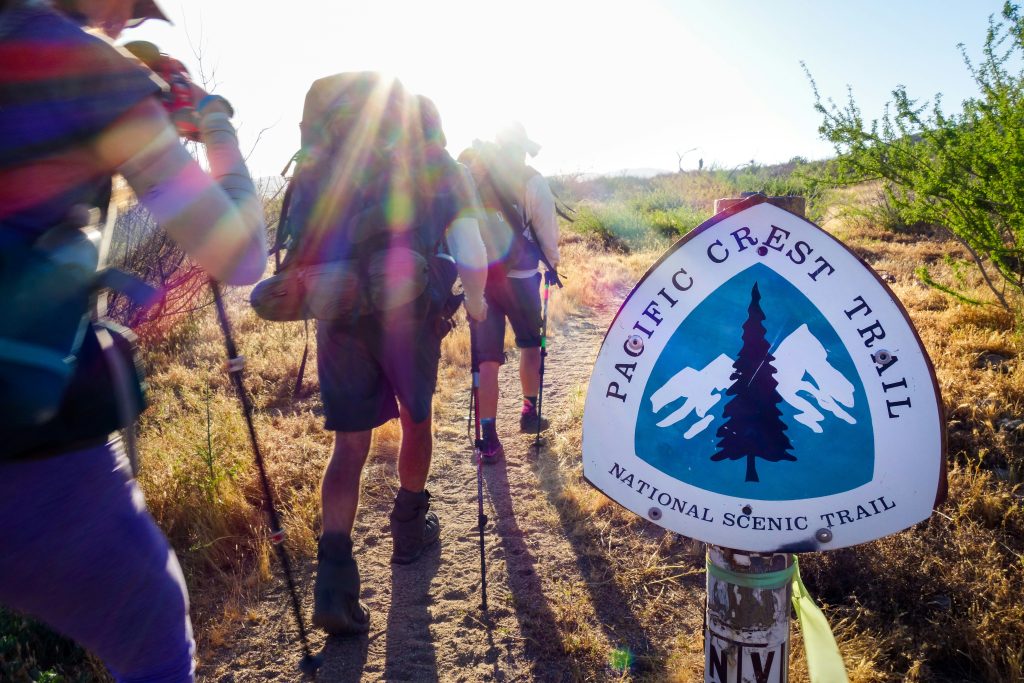
At least two dozen people have fallen sick with norovirus on the PCT. The Pacific Crest Trail (PCT) is a popular hiking destination in San Bernardino County, California.
While dehydration and exposure are common concerns on the trail, norovirus has recently been a problem. So big a problem, some hikers have required air lifted evacuation to quickly transport them to an area hospital.
The Pacific Crest Trail Association is working with public health officials with the California Department of Public Health and San Bernardino County Department of Public Health as well as the U.S. Forest Service to assess the situation. Several actions have been taken to help mitigate future illnesses. But the source of the outbreak has not yet been identified.
This is, however, a great opportunity to discuss how norovirus is spread and how to reduce your risk while hiking and camping.
The exact case count for those experiencing norovirus on the PCT has not been confirmed. However, multiple reports use the term “dozens” when referring to sick people.
The Pacific Crest Trail Association has created a survey to help gather more information. Information that can help local health authorities and their own organizations plan.
The location of interest appears to be between miles 298 and 374 of the PCT. Including Wrightwood and the Swarthout Canyon area.
This isn’t the first time norovirus on the PCT has been in the news. In fact, other major trails have experienced similar situations.
For example, last year the National Park Service issue a warning for Appalachian Trail. A number of people became sick with gastrointestinal illness at the southern end of the trail.
Before that, in 2022 more than 200 people were sickened with norovirus at the Grand Canyon National Park.
Also in 2022, more than 20 hikers became sick with gastrointestinal illness on the PCT. Nearly every common area in the region tested positive for fecal contamination (things like door handles, shelter floors, tables, and toilets).
Why is there increased risk?
Several factors contribute to increased risk for norovirus on the PCT and other popular trails.
There are designated camping areas at certain parts of the trail. Shared water sources, common food preparation areas, bathroom facilities, and other shared infrastructure are common places where norovirus can spread.
It doesn’t take much of the virus (as few as 10 viral particles) to spread the illness. Which, by the way happens from poor post bathroom hand hygiene.
Hand hygiene can be particularly difficult in a rustic hiking situation, making spreading norovirus on the PCT easier than you might think.
Most people rely on wet wipes and hand sanitizer. But unfortunately, even a strong alcohol-based hand sanitizer is not completely effective against norovirus. Only thorough handwashing with soap and water remains the most reliable method to prevent norovirus.
Historically, a communal water cache is a water source on the PCT. However, this shared water source can contribute to the spread of gastrointestinal illness. If the water source becomes contaminated with norovirus, the germ can remain stable in the source for quite some time.
One instance of poor hand hygiene can contaminated the water for all future hikers.
Norovirus is a viral infection. It is often referred to as a “stomach flu” (completely unrelated to influenza virus). Or a “stomach bug,” which is more accurate than the former, but downplays the true source of the illness. It is a viral gastrointestinal illness.
So, where does norovirus come from?
I alluded to this earlier, but I will just come out and say it now.
Poop.
Nobody likes to think about it. But not unlike other foodborne illnesses, this common “stomach bug” is caused by improper handwashing and traces of infectious poop being spread around.
Outbreaks are often foodborne or waterborne because they are highly contagious and transmitted via fecal-oral route.
You become sick with norovirus after touching something an infected person has touched without effectively washing their hands and then eating or touching your own mouth or eating something contaminated with it.
It doesn’t take much to become sick either. Health experts say that you can become infected with as few as 10 viral particles. Even trace amounts that you cannot see, taste, or smell can be enough to spread infection.
People begin feeling sick around 12 to 48 hours after exposure. These symptoms can range from mild to so severe that an individual can become seriously dehydrated or require hospitalization to recover from their illness.
Common symptoms include:
Most people recover within a few days (one to three).
But be careful!
You are most contagious and likely to transmit your illness to others while you are actively sick through the first few days of feeling better. However, you can still spread the illness for two weeks (or even longer) after you begin to feel better.
The Pacific Crest Trail Association is working to reduce the risk of norovirus on the PCT.
One of the ways the Association is doing this, is by limiting lodging in the Writghtwood area. This temporary closure is intended to limit further transmission. Hikers should check updates to consider alternatives.
Also, trail volunteers are replacing the open water cache with sealed water bottles. If norovirus on the PCT is spreading from common water, replacing drinking water with packaged and sealed options could help the situation.
Are you a hiker or camper? If so, how do you reduce your risk of norovirus and other gastrointestinal illnesses while on the trail?
If you’d like to know more about food safety topics in the news, like “Hikers Report Norovirus on the PCT, What Is Causing These Illnesses?,” check out the Make Food Safe Blog. We regularly update trending topics, foodborne infections in the news, recalls, and more! Stay tuned for quality information to help keep your family safe, while The Lange Law Firm, PLLC strives to Make Food Safe!
By: Heather Van Tassell (contributing writer, non-lawyer)