
Protecting families from contaminated food and water
All fields are required
Protecting families from contaminated food and water
Posted in Food Safety,Our Blog on February 9, 2026
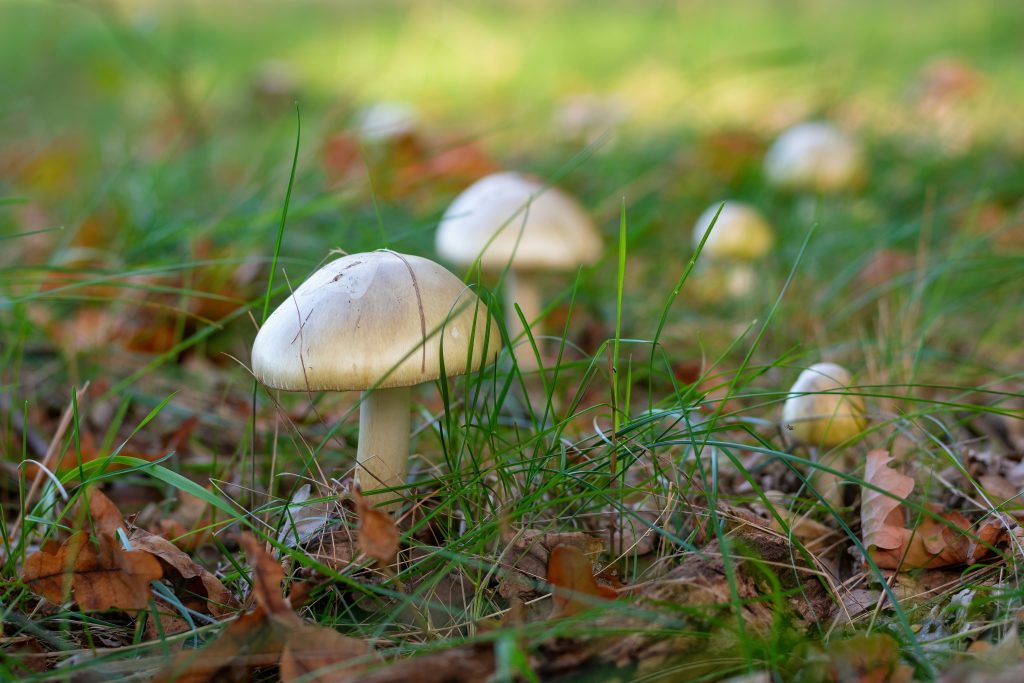
A Death Cap mushroom poisoning outbreak has prompted California Department of Health to issue a public safety alert. This “unprecedented” outbreak of severe illnesses and deaths has been associated with people accidently picking and eating Death Cap mushrooms and Western Destroying Angel mushrooms.
What is the reason for this recent uptick in poisonous mushroom-related deaths? What are the common problems with mushroom foraging? If you discover you have consumed Death Cap mushrooms, what should you do.
Here’s what we know so far about the Death Cap mushrooms outbreak in California.
So far, at least 40 cases of Death Cap mushroom and Western Destroying Angel mushroom poisonings were reported between November 18, 2025 and February 7, 2026. All between the ages of 19 months and 67 years.
At least four deaths have been linked to the fungi.
To put that into perspective, there are typically fever than five mushroom poisoning cases in the state each year.
Over three dozen in a four-month period is concerning!
Counties involved in this outbreak include Alameda, Contra Costa, Monterey, San Francisco, San Luis Obispo, San Mateo, Sacramento, Santa Clara, Santa Cruz, and Sonoma.
Reports indicate the primary language spoken by outbreak patients were Spanish, Mixteco, Chinese (Mandarin), Ukrainian, Russian, and English. However, 60% of those individuals affected by poisonous Death Cap mushrooms and Western Destroying Angel mushrooms spoke Spanish as their primary language.
This Death Cap mushroom outbreak is being taken seriously by California Department of Public Health. Two press releases and even a press conference have been held on the subject.
Why are we suddenly seeing a recent uptick in these poisonous mushroom-related deaths?
The answer to this question is three-fold. For one, foraging wild mushrooms has recently become popular. Also, Death Cap mushrooms look remarkably similar to mushrooms that are completely safe to eat. Novice (and even sometimes experienced) mushroom foragers make mistakes. Finally, the unseasonably rainy season primes key foraging areas for these poisonous look-alikes, which foragers may not have encountered during dryer times of the year.
Wild mushroom foraging is not new. It took place long before modern agricultural practices some 12,000 years ago. Even though there is a grocery store on just about every major road, foraging for food has become a hobby for some. A way to expand the culinary palette for others. For some, it is a way to cut down on the food budget.
There are clubs, social media groups, YouTube channels and other avenues people gather and share information on the topic. For some, it is a life-style. For others, a first encounter could end in a deadly mistake.
California Department of Public Health warns that “poisonous mushrooms can look and taste similar to safe mushrooms.” In fact, some may even look quite similar to those you can purchase at your local grocery store. For example, Death Cap mushrooms closely resemble paddy-straw mushrooms or puffballs.
California also has a large international community. For those newly arrived in the state that are “accustomed to foraging in their home country,” it might be a simple error in mistakenly identifying a poisonous mushroom for a safe one typically foraged or cultivated in their native country.
California has recently experienced an unseasonably rainy season. Possibly bringing rise to certain wild mushrooms that experience growth following wet weather. Such as Death Cap mushrooms and Western Destroying Angel mushrooms.
Avoid foraging for wild mushrooms after rain and always exercise cautions when eating unproven food.
It does not take much poisonous mushroom to make a person sick. In fact, as little as half of a mushroom cap can kill an adult. Even a small bite can be fatal for pets. Despite some whispered rumors, cooking will not neutralize the deadly toxins.
Oftentimes, it can take anywhere from six to 24 hours after eating a poisonous mushroom to begin experiencing symptoms. So, you may initially believe you are in the clear. When in fact, you are not.
Some may only experience mild symptoms at first. Which sometimes go away on their own. However, serious or even fatal liver damage can continue to develop over two to three days.
Common early Symptoms may include:
Mushroom poisoning can lead to other serious complications, including:
According to the California Department of Public Health, “the best way to stay safe is to not eat wild mushrooms.” You should also avoid eating mushrooms you did not pick yourself. Those picked by friends or family, for example.
Only buy mushrooms from trusted grocery stores and retailers. “Take care when buying mushrooms from street vendors.”
The Department also recommends that you watch children closely when playing outside where mushrooms grow. “Most poisonings happen to children under 6 years old.”
Animals can be poisoned too! Keep pets away from areas where wild mushrooms are growing.
Also, there is no safe way to render poisonous mushrooms safe. No method (including cooking, boiling, freezing, drying, or otherwise) can denature the poison.
If you discover that you or a loved one has consumed Death Cap mushrooms or Western Destroying Angel mushrooms, seek help immediately. Even if you do not experience symptoms or symptoms appear to go away.
It can be more difficult to treat mushroom poisoning once symptoms begin.
If you are in the State of California, there is a FREE California Poison Control Hotline that operates 24 hours a day, seven days a week, and in over 200 languages. Call 1-800-222-1222 for more information.
When you go to the hospital, be sure to take any of the uneaten mushrooms with you. This can help identify the mushroom you consumed, which can help expedite your medical care. Be sure to place the mushroom in a paper or waxed bag (not plastic) and keep it cold to help preserve it. If you don’t have the mushroom, photos (of all sides of the mushroom including underside, top, and stem) can help.
Personally, I have never actually foraged for mushrooms. At one point in my life, I thought about it. But the scientist in me wanted to do plenty of research on the topic first.
That research is what led to my hesitation.
While it is a fun and fruitful (pun intended) pastime for some, it just wasn’t worth the risk for me. Especially with a Whole Foods, Sprouts, and other niche grocery stores just a short drive away.
If you’d like to know more about food safety topics in the news, like “Death Cap Mushrooms Linked to At Least Four Deaths in California, Public Safety Alert Issued,” check out the Make Food Safe Blog. We regularly update trending topics, foodborne infections in the news, recalls, and more! Stay tuned for quality information to help keep your family safe, while The Lange Law Firm, PLLC strives to Make Food Safe!
By: Heather Van Tassell (contributing writer, non-lawyer)