
Protecting families from contaminated food and water
All fields are required
Protecting families from contaminated food and water
Posted in Norovirus,Our Blog,Outbreaks & Recalls on February 26, 2026
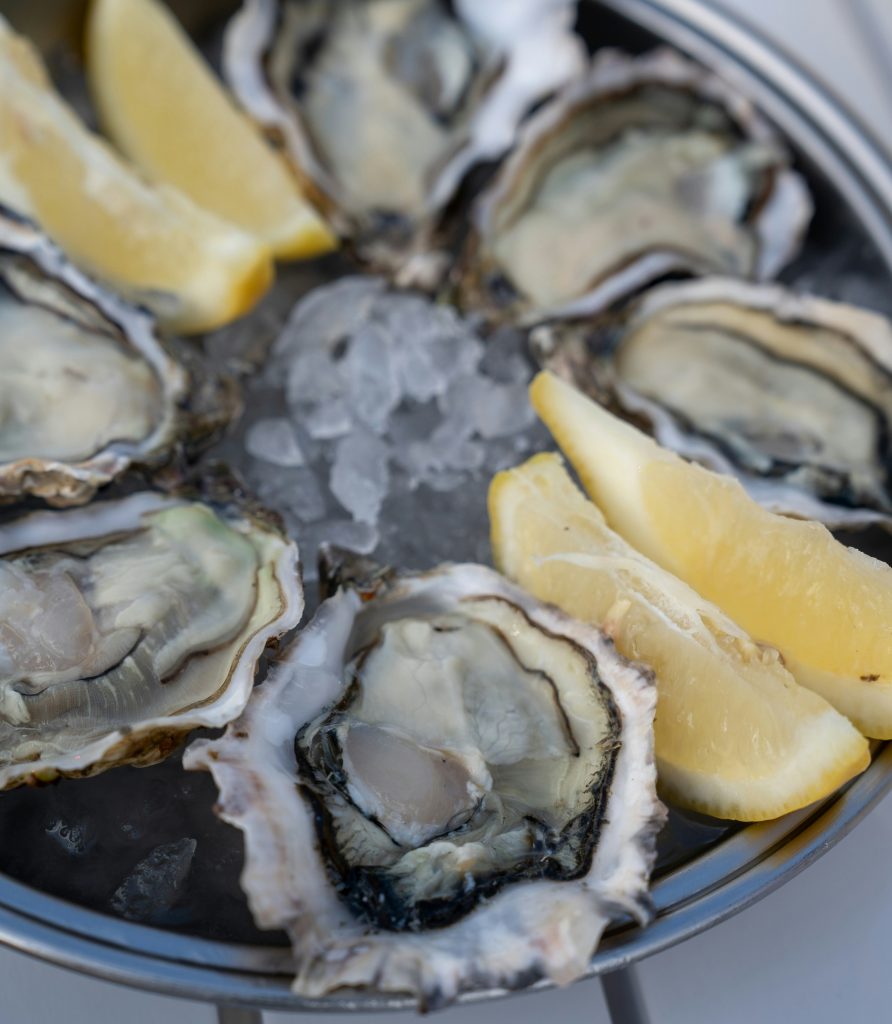
U.S. Food and Drug Administration (FDA) has added additional harvest dates to their recently published Shellfish Advisory due to norovirus in oysters. This expands the previous announcement published earlier this month. Several people have reported illness in Washington. Other illnesses in additional states are likely.
If you have become sick from eating contaminated oysters, you may have a legal claim.
Here’s what we know so far about the norovirus in oysters situation.
On February 18, 2026, the FDA published an expansion to the initial shellfish advisory.
“The FDA is aware of additional raw oysters harvested from British Columbia, Canada harvest area BC 17-20 (Nanoose Bay) CLF #1401656 that consumers, restaurants, and retailers should avoid eating, serving, and selling due to potential contamination with norovirus.”
All raw oysters harvested between December 22, 2025 and February 4, 2026 from BC 17-20 CLF #1401656 by Stellar Bay Shellfish Ltd., Canada are included.
Previous notices limited advisory harvest dates to 12/30/2025, 1/20/2026, 1/26/2026, and 1/29/2026.
Restaurants, food retailers, and consumers in the states of California, Colorado, Florida, Hawaii, Illinois, Maryland, Nevada, New York, Pennsylvania, and Washington are advised to inspect shellfish tags from certain brands distributed by Stellar Bay Shellfish.
This includes Kusshi, Chrome Point, Stellar Bay, and Stellar Bay Gold brand oysters.
Consumers should not consume and restaurants and food retailers should not sell or serve these oysters.
Unfortunately, there is no way to tell a norovirus-contaminated oyster from one that is not. Food containing norovirus may look, smell, and even taste normal. It isn’t until the virus begins multiplying in your digestive system that you realize the problem.
The problem of norovirus in oysters was discovered when Washington Department of Public Health reported a “norovirus-like illness outbreak associated with oysters from Stellar Bay Shellfish, Ltd., Canada on February 3, 2026. At least 11 people from five different meal parties have been included in this outbreak.
Harvest dates of 12/30/2025 and 1/20/2026 from that company were indicated.
Days later, on February 5, 2026, the California Department of Public Health submitted information on norovirus-like illnesses of their own. However, the exact number of people involved in that outbreak was not indicated.
While the outbreak appears to be small, FDA and state health officials are taking the situation very seriously to reduce continued spread of illnesses.
Most cases of norovirus go unreported. This complicates the recall and advisory process.
Why do they go unreported?
Normally healthy individuals often experience mild illnesses. These people never seek medical attention and are never tested for norovirus. This illness also passes fairly quickly through the system. Oftentimes, by the time a sick person does get to the doctor, they are no longer shedding the virus and their sample will not test positive.
The National Foundation for Infectious Diseases estimates there are 21 million norovirus cases in the United States each year. The ratio of community cases to reported cases can exceed 30:1 for adults.
Norovirus is a viral infection. It is often referred to as a “stomach flu” (completely unrelated to influenza virus). Or a “stomach bug,” which is more accurate than the former, but downplays the true source of the illness.
It is highly contagious!
Only a few viral particles are necessary to cause illness.
This makes it easy to contaminate food and even easier to spread from one sick person to another.
Speaking of how it is spread. How does norovirus get in oysters anyway?
That is a good question! The answer involves how oysters eat.
Oysters are filter feeders.
They consume food by pulling water into their bodies, filtering what they eat, and release the rest back into the water. All day. Every day.
A single mature oyster can filter up to 50 gallons of water a day!
Some water remediation companies even put oysters to work in applications that clean up polluted areas. This is because they are even more effective than some industrial processes commonly used for the purpose.
It is this function, however, that contributes to the risk of norovirus (along with other pathogen contamination).
You see, in addition to the food they consume, they also hold onto potential germs floating in the water.
When the water they live in is contaminated with sewage or other contaminants, you have a big problem. Albiet an invisible one.
These germs don’t impact the oyster. They leave no signs of illness or visual indication. But it certainly impacts the humans that consume them.
Only specialized laboratory tests performed on fecal samples can accurately diagnose norovirus. You can infer diagnosis if you have the same symptoms and similar food experiences to someone who has already been diagnosed.
Most people begin feeling symptoms within 12 to 48 hours of exposure.
Common symptoms of norovirus infection include:
Most people recover within one to three days. You are most contagious and likely to transmit your illness to others while you are feeling sick through the first few days of feeling better.
There is no medical treatment protocol for norovirus. Antibiotics are not effective against this type of infection, so your best course of action is to hydrate and rest until symptoms subside.
Vomiting and diarrhea multiple times a day can lead to dehydration – a dangerous complication.
Especially in young children, older adults, and those with other existing illnesses.
Dehydration symptoms may include:
Contact your healthcare provider if you or someone you are caring for becomes severely dehydrated.
If you have been seriously impacted by your norovirus illness from oysters harvested in British Columbia, you may have a legal case.
The Lange Law Firm, PLLC has a norovirus lawyer to help you navigate the legal process.
The Lange Law Firm, PLLC has recovered millions of dollars in food contamination and product liability suits to help cover medical expenses, missed work, and other burdens associated with foodborne illness.
Call (833) 330-3663 or submit your information on the online submission form for a free, no obligation consultation to go over the details of your situation.
By: Heather Van Tassell (contributing writer, non-lawyer)