
Protecting families from contaminated food and water
All fields are required
Protecting families from contaminated food and water
Posted in E. coli,Our Blog on January 19, 2026
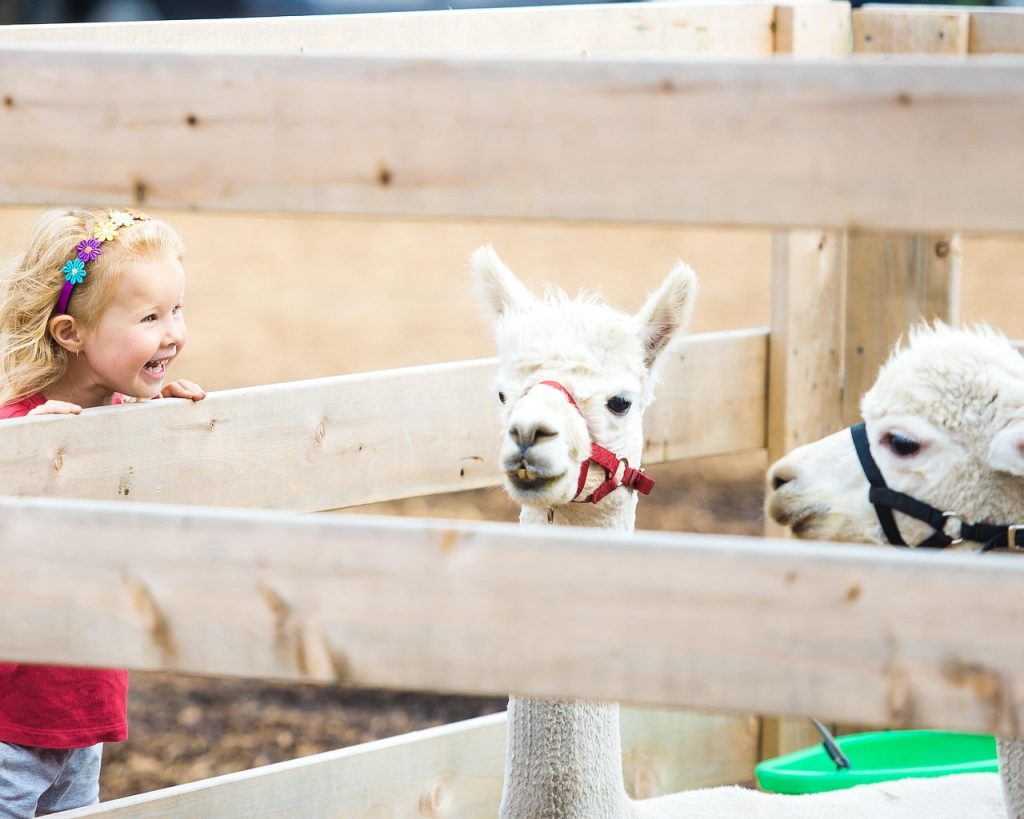
Arizona lawmakers have proposed a new bill requiring handwashing at petting zoos, certain signage and infrastructure, and other safety requirements to reduce the risk of illness.
This potential legislation comes months after nearly 200 people fell sick with E. coli infections after visiting the Arizona State Fair. An infected pig at the event’s petting zoo was identified as a source of the outbreak. While this E. coli outbreak is one of the more recent examples of petting zoo exposures, it is certainly not the only time something like this has happened.
The bill, known as AZ SB 1082 may reduce the risk of infection from these fun, furry, and educational activities. What does SB 1082 entail? Who does it apply to? When does it go into effect?
Let’s dive in!
But first, a recap on what prompted the bill.
In late November, the Make Food Safe blog reported an uptick of E. coli infections and related hemolytic uremic syndrome cases noted by the Maricopa County Department of Health and Arizona Department of Health Services.
The event ran from September 19, 2025 to October 26, 2025. During that time, an unusual number of people reported symptoms consistent with E. coli infections.
The investigation found epidemiological links between sick patients.
The Arizona State Fair and shared strains of E. coli bacteria.
The germ responsible for these illnesses is known as Escherichia coli. Or E. coli for short. This type of bacteria comes in many different strains. Some are completely harmless and are a natural part of the human and animal microbiome. Others can cause illness. Like those that impacted Arizona State Fair guests.
The symptoms of E. coli infections often begin around three to four days after exposure and may include vomiting, severe stomach cramps, diarrhea (often bloody), and fever less than 101° F (not always). Most normally healthy people generally recover from E. coli infection within five to seven days. Some people, on the other hand, may experience other complications. These complications may lead to hospitalization or even death.
Some strains of this bacteria are even more complicated. Ones that produce a type of toxin, known as Shiga toxin, are often referred to as STEC (Shiga toxin-producing E. coli).
The elderly, young children (under five years), and those with a weakened immune system may experience more severe illnesses or develop serious complications. Complications like hemolytic uremic syndrome, or HUS. A type of life-threatening kidney failure.
Reports indicate that there were no handwashing stations near the fated Arizona State Fair petting zoo. This lapse in venue design left participants vulnerable to any number of animal-transmitted infections.
This time, E. coli made headlines. But it very well could have been Salmonella, Campylobacter or other germs.
In addition to the organization’s exclusion of handwashing stations and guest education on performing this prevention activity, lawmakers claim there are lapses in state laws. Lapses that if overcome, would have reduced the risk of exposure.
No current state law requires facilities to provide access to hand sanitation stations at petting zoos in Arizona. According to a 2016 CDC report, certain other states do. To some extent or another.
New Jersey, New York, North Carolina, Pennsylvania, Utah, Washington, and Wisconsin all have laws that require animal contact exhibits provide hand washing/sanitation states.
For example, North Carolina requires hand sanitation stations at all animal contact exhibits. Including petting zoos, pony rides, and poultry handling exhibits. Other states are not so inclusive. Wisconsin, for example, only specifies petting zoos located at campgrounds in their law. All states had at least one thing in common.
Signs recommending guests to sanitize their hands notate warnings on the applicable health risks for contact with animals.
AZ SB 1082 is a proposed bill involving handwashing at petting zoos.
According to Article 16 of SB 1082, Petting Zoos and Animal Encounter Exhibits, the bill would apply to “all petting zoos, animal encounter exhibits, and similar operations whether permanent or temporary, at which members of the public are allowed to touch or feed live animals.”
It doesn’t, however, apply to these examples, if they are “contracted for a single day at a private residence for a private event or party.” However, even with this exception, the petting zoo “operator” must still post the required sign recommending guests wash or sanitize their hands.
So, what are the proposed requirements for public and multi-day events?
AZ SB 1082 states that “operators of petting zoos, animal encounter exhibits, and similar operations shall ensure that all persons wash their hands with soap and water or use a hand sanitizer immediately on leaving the area where the animals are accessible to the public.”
This requires operators to monitor guests upon exit.
Signs must also be stationed at entrances and exits.
The sign (with legible letter at least one inch in height) must say:
“FOR THE SAFETY OF ALL PERSONS, PARTICIPANTS MUST WASH THEIR HANDS ON EXITING. PERSONS MAY NOT EAT OR DRINK WITHIN THE ANIMAL CONTACT AREA AND SHOULD NOT PLACE THEIR FINGERS OR ANY OTHER OBJECT IN THEIR MOUTHS.”
To ensure these activities take place, animal contact areas must be restricted to a specific area so that a designated entrance and exit are clear.
Additionally, operators must ensure that “at least one responsible adult supervisor is present in the animal contact area at all times” to “monitor compliance with the handwashing requirement” and ensure that “all exiting participants comply immediately on leaving the area.”
If passed, certain penalties will be imposed if operators fail to comply with the new law for handwashing at petting zoos. The existing proposed bill indicates that the Department of Health Services may adopt their own rules to implement and enforce handwashing at petting zoos.
A minimum of $100 civil penalty per violation is proposed fine.
So far, there has not been a date set for hearing the proposed bill. However, it is slated for the fifty-seventh legislative second regular session of 2026.
If you’d like to know more about food safety topics in the news, like “Handwashing at Petting Zoos May Soon Be Mandatory in Arizona if Bill Passes,” check out the Make Food Safe Blog. We regularly update trending topics, foodborne infections in the news, recalls, and more! Stay tuned for quality information to help keep your family safe, while The Lange Law Firm, PLLC strives to Make Food Safe!
By: Heather Van Tassell (contributing writer, non-lawyer)