
Protecting families from contaminated food and water
All fields are required
Protecting families from contaminated food and water
Posted in Our Blog,Outbreaks & Recalls on February 11, 2026
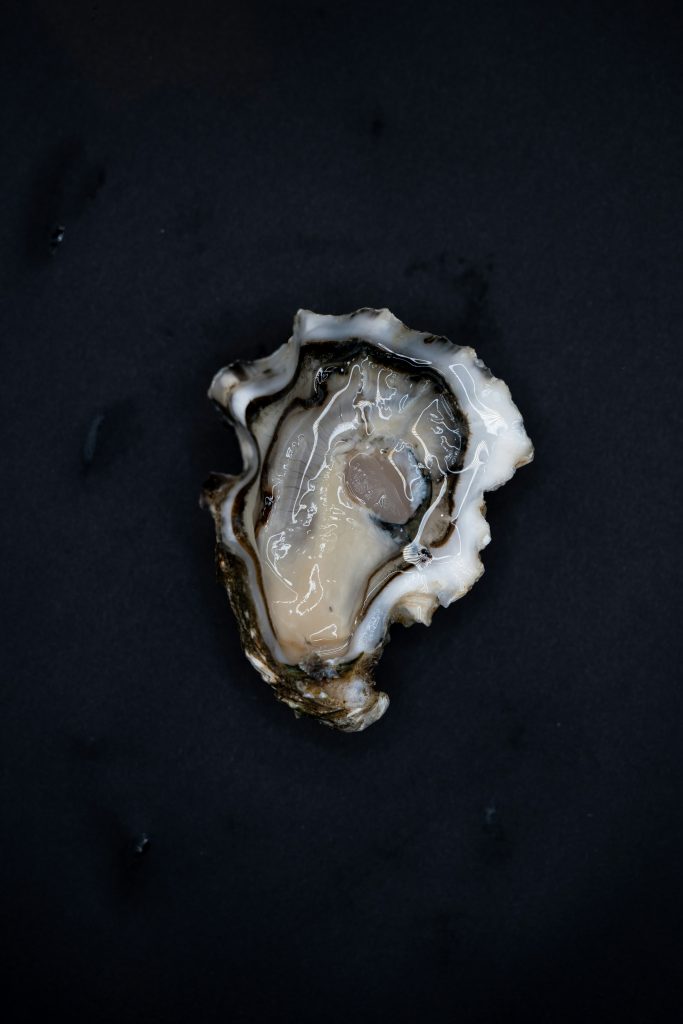
Health officials have announced an oyster recall in Carson City due to reported illnesses associated with the seafood item. California Department of Public Health has too!
What oyster products are involved in this recall. What illnesses have oysters been associated with in the past? If you begin experiencing symptoms, do you know what to do?
Here’s what we know so far about the oyster recall in Carson City, Nevada and California.
Carson City Health and Human Services recently announced an oyster recall “due to reported illnesses.” This “urgent recall” involves specific brands linked to a common supplier, S&M Shellfish Co.
The specific illness and number of illnesses have not been disclosed at this time.
In addition to Carson City, California Department of Public Health issued a recall of their own. The California recall was issued on the same day for the same products. The California Department of Public Health indicated the products were distributed to “multiple states including California.”
It is unclear at this time if the recall and reports of illness have spread beyond California and Nevada.
The California press release also did not indicate the specific illness or number of illnesses which prompted the recalls.
The oyster recall was initiated by a single company for multiple brands/products. S&M Shellfish Co. recalled certain brands of oysters harvested on January 26, 2026 and January 29, 2026.
Consumers are urged not to eat and restaurants, food service establishments should not prepare or serve, and distributors are instructed to halt distribution of these recall oysters.
Oysters subject to this recall include:
The shellfish tag will include harvester code: BC 0741 SS (Nanoose Bay BC 17-20).
According to the Carson City press release, the health department requests to be a part of the recall process.
“The product must be immediately destroyed under the supervision of a health official or returned to S&M Shellfish Co.”
While the specific germ or germs responsible for these illnesses have been omitted from both Carson City Health and Human Services and California Department of Public Health press releases, Carson City indicated some of the illnesses associated with contaminated oysters.
These include diarrhea, vomiting, nausea, and stomach pain.
So, what kinds of illnesses are typically associated with oysters?
Any number of foodborne bacteria, viruses, and parasites can contaminate oysters. The risk increases when oysters are consumed raw or undercooked. While germs like Salmonella, Listeria, and hepatitis A have been associated with them, Vibrio and norovirus are more commonly associated.
It would not be surprising if the illnesses associated with the oyster recall in Carson City included Vibrio vulnificus. Around 150 to 200 cases of Vibrio infections are reported each year. Which doesn’t sound like a lot.
However, 20% of those exposed to the germ die from their infection.
Now are you paying attention?
Even if you do not consume oysters, simply handling them can cause serious, life-threatening infection.
Another option for the oyster recall in Carson City is norovirus.
This highly contagious germ makes its way into marine environments where oysters grow through untreated human sewage (poop) and other bodily fluids.
Leaky septic systems, faulty wastewater treatment, beach-goers, boaters, and other contributing factors could impact an oyster recall due to norovirus contamination.
While anyone consuming or handling raw oysters is at risk of infection, certain groups of people are at greater risk of infection if exposed and more serious illness if infected.
Those who are pregnant, the elderly, and people with a compromised immune system are advised to avoid raw and undercooked seafood. Including raw oysters.
Oysters consumed raw or undercooked pose a serious health concern. Whether they are subject to a recall, connected to a foodborne outbreak, or otherwise.
Never consume recalled food. Including these recalled oysters.
If you do intend to eat non-recalled oysters, here are a few tips to ensure you consume them safely.
Fried, grilled, steamed, and just about any other cooking method is always the safest choice when it comes to eating oysters.
If you are preparing oysters yourself, be sure to inspect each one carefully. Discard shellfish with open shells. If a shell is open, it is an indication that the shellfish may have already died and it may not be safe to eat. Gently tap the edge of the shell to prompt the oyster to close itself. If it closes, it is safe to use. If it remains open, discard it.
When cooking shellfish still in the shell, you have two options.
You can boil it until the shells open and then continue boiling for another three to five minutes.
Alternatively, you can steam it. First, get the water to a steaming temperature. Then add your shellfish to the steamer basket and cook for four to nine minutes. Discard any oysters/shellfish that do not open fully after cooking.
You have several options when cooking shucked oysters.
You can boil them for at least three minutes. Fry them in oil for at least three minutes at 375 °F. Broiling is another good option. Place pan three inches from heat and cook for three minutes. If you opt to bake them, preheat oven to 450 °F and bake for 10 minutes.
If you have been impacted by this oyster recall in Carson City, anywhere in Nevada or California, or other location, you may be part of this outbreak linked to S&M Seafood Co oysters.
The first thing you should do if you become sick after eating oysters is reach out to your healthcare provider. Without a confirmed laboratory test, your illness may not be reported. Confirming your illness may help narrow or expand the scope of the recall, which can help prevent others from falling sick. Whether your illness is mild, and especially if it is severe, reach out to your health care provider or report your illness to your local health department.
If you believe you are a part of this oyster recall outbreak, it is a good idea to make a list of what you have eaten in the weeks prior to becoming sick. Be as specific as possible. The earlier you make this list, the more accurate it will likely be. Include what you ate, where you got it from, where you ate it, and any details that could help the investigation.
It is also a good idea to get advice from a food poisoning lawyer. A food poisoning lawyer can answer your questions, communicate and negotiate with insurance companies on your behalf, and represent you in a legal capacity.
If you have been seriously impacted by this oyster recall in Carson City or the states of Nevada or California, The Lange Law Firm, PLLC has a food poisoning lawyer that can help.
Call (833) 330-3663 or fill out the online submission form and a member of the team will get back with you soon to go over the details of your situation.
Don’t wait. Call today!
By: Heather Van Tassell (contributing writer, non-lawyer)