
Protecting families from contaminated food and water
All fields are required
Protecting families from contaminated food and water
Posted in Norovirus,Our Blog,Outbreaks & Recalls on February 17, 2026
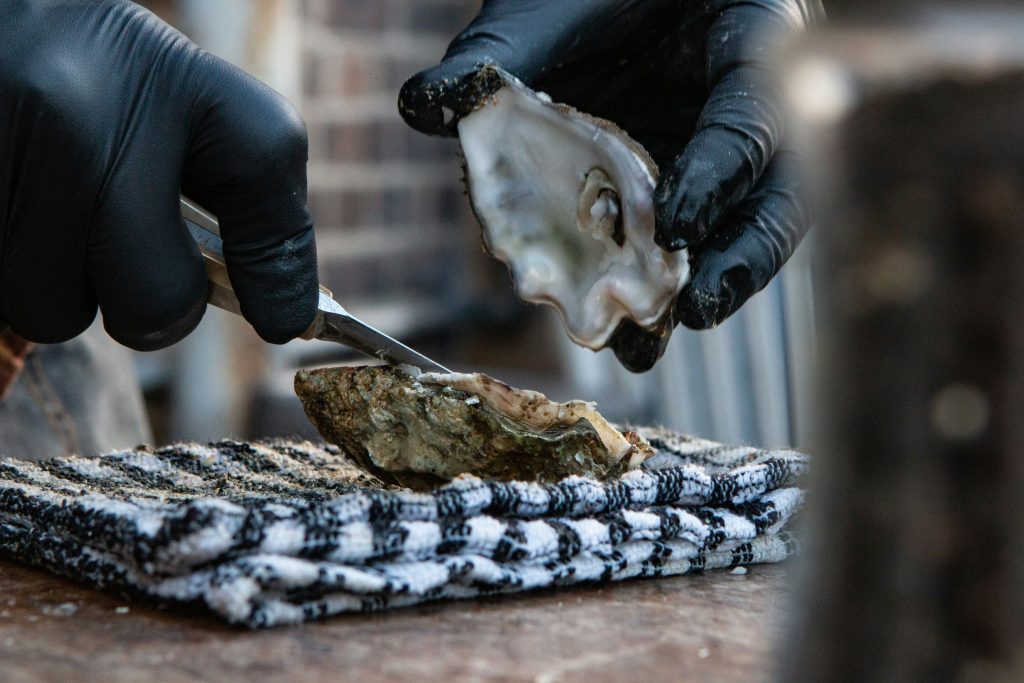
At least 11 people consuming oysters harvested in British Columbia have been sickened with norovirus. This outbreak has been linked to another in Nevada, announced last week after California Department of Health issued their own recall.
How was this norovirus outbreak linked to oysters harvested in British Columbia discovered? What products are being recalled. How do oysters become contaminated with norovirus? What is norovirus, and how do you know if you have it? What should you do if you have become sick after eating oysters harvested in British Columbia?
Last week, Washington State Department of Health announced a norovirus outbreak linked to Oysters Harvested in British Columbia.
According to the press release, at least 11 people from five different meal parties reported norovirus-like symptoms after consuming raw oysters. Meal dates were noted between January 17, 2026 and February 1, 2026. With illnesses being reported January 18, 2026 to February 2, 2026.
Traceback investigation led back to oysters harvested in British Columbia from specific harvest areas over a about a month period.
Recalled products were harvested from British Columbia, Canada harvest area BC 17-20 #1401656 with original harvest dates of 12/30/2025, 1/13/2026, 1/20/206, 1/26/2026, 1/28/2026, and 1/29/2026.
Additionally, products labeled Kusshi, Chrome Point, Stellar Bay, or Stellar Bay Gold brand oysters harvested in British Columbia harvest area BC 17-20 (Nanoose Bay) CLF #1401656 were likely distributed to restaurants and food service businesses with the same harvest dates.
Recalled oysters have been distributed to the states of California, Colorado, Florida, Hawaii, Illinois, Maryland, Nevada, New York, Pennsylvania, and Washington state.
Restaurants and food retailers should check their shell stock tags and contact their supplier if they have received recalled oysters harvested in British Columbia.
Consumers who recently purchased oysters should contact their retailer to find out where they were harvested. The U.S. Food and Drug Administration advises, “if you are unable to determine where the oysters were harvested, discard them.”
So, how exactly do oysters become contaminated with norovirus?
Oysters are filter feeders. They consume food by pulling water into their bodies, filtering out what they eat, and releasing it back into the surrounding water.
And they are really good at it.
A single, mature oyster can filter up to 50 gallons of water a day! That is quite a bit of liquid moving through a small body.
In fact, some water remediation companies use oysters to clean up polluted areas as a primary method because they are more efficient than some alternative industrial processes.
Unfortunately, it is this characteristic filter action that contributes to their risk factors for norovirus, hepatitis A, and other illnesses. If the water is contaminated, those germs can build up inside the oyster. When an unsuspecting person consumes them, they can become sick.
Especially if the oysters are eaten raw.
Norovirus is a viral infection. It is often referred to as a “stomach flu” (completely unrelated to influenza virus). Or a “stomach bug,” which is more accurate than the former, but downplays the true source of the illness.
Where does norovirus come from?
Poop.
In the case of norovirus in oysters, the initial outbreak likely comes from contaminated waters. Wastewater or some other source that has contaminated the oyster harvest areas starts the outbreak.
It doesn’t take much to become sick either. Health experts say that you can become infected with as few as 10 viral particles. Even trace amounts that you cannot see, taste, or smell can be enough to spread infection.
People exposed to norovirus may begin feeling sick around 12 to 48 hours. These symptoms can range from mild to so severe that an individual can become seriously dehydrated or require hospitalization to recover from their illness.
Common symptoms include:
Most people recover within a few days (one to three).
But be careful!
You are most contagious and likely to transmit your illness to others while you are actively sick through the first few days of feeling better. However, you can still spread the illness for two weeks (or even longer) after you begin to feel better.
If you become sick with norovirus after eating oysters harvested in British Columbia there are a few things you can do to help your situation.
If you are experiencing severe symptoms, seek medical attention right away. Norovirus symptoms can lead to serious dehydration that may require IV fluids.
If you are not sick enough to go to the doctor, it is still a good idea to report your illness to your local health department. Your information could help expand or narrow the scope of a potential outbreak investigation and help prevent others from becoming sick.
If you are part of a cluster of norovirus cases, your food history could help the investigation. As soon as you feel well enough to do so, make a list of the foods and drinks you have consumed in the weeks prior to becoming sick. Be as thorough as possible. Include what you ate, where you ate it, and where you got it from. Your list will be compared to others in the outbreak. Where these lists overlap could shed light on the source.
Foodborne illness can be difficult. Lost work, medical bills, caring for a loved one, and other burdens of foodborne illness add up. An experienced norovirus lawyer can help you through this process, point you toward resources, gather evidence, and represent you as needed.
If you have been seriously impacted by your norovirus illness from oysters harvested in British Columbia, you may have a legal case.
The Lange Law Firm, PLLC has a norovirus lawyer to help you navigate the legal process.
The Lange Law Firm, PLLC has recovered millions of dollars in food contamination and product liability suits to help cover medical expenses, missed work, and other burdens associated with foodborne illness.
Call (833) 330-3663 or submit your information on the online submission form for a free, no obligation consultation to go over the details of your situation.
By: Heather Van Tassell (contributing writer, non-lawyer)