
Protecting families from contaminated food and water
All fields are required
Protecting families from contaminated food and water
Posted in Botulism,Our Blog,Outbreaks & Recalls on February 8, 2026
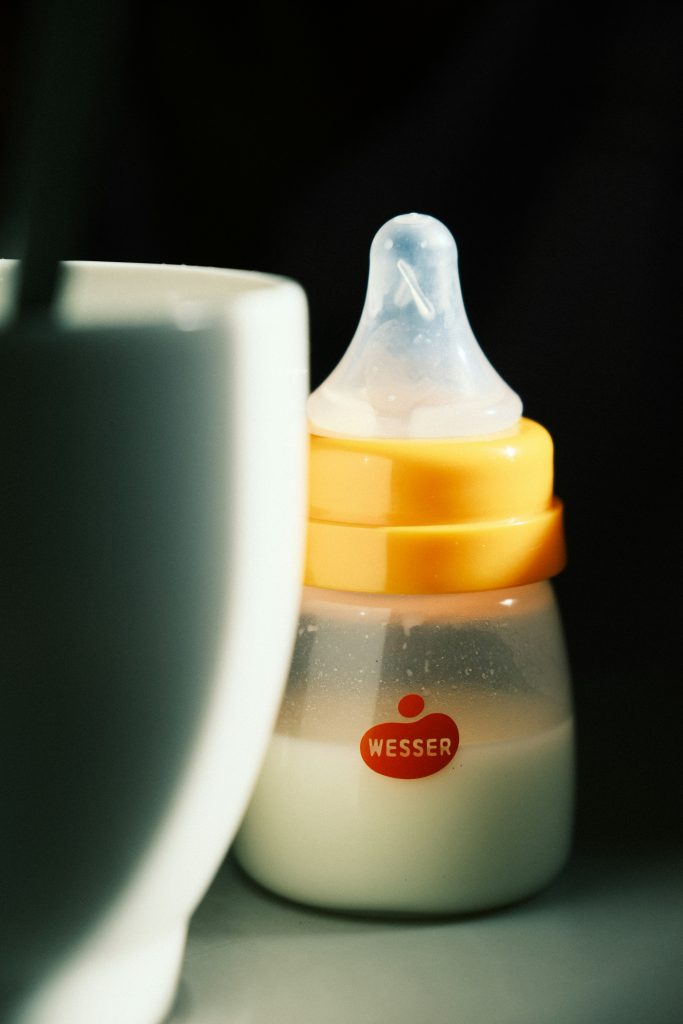
A potential source of ByHeart infant formula contamination has been discovered.
Powdered whole milk. An ingredient used in ByHeart Whole Nutrition infant formula has been tested. The results connect those samples to outbreak patients.
This outbreak marks the first time an infant botulism outbreak has been linked to infant formula!
How many babies have been impacted by this source of ByHeart infant formula contamination. How was this information uncovered. What is infant botulism and how do you know if your baby is affected? What should you do if your child is sick?
Let’s explore!
According to the U.S. Food and Drug Administration (FDA) outbreak investigation, at least 51 babies (all requiring hospitalization) have been impacted. Cases have been reported across 19 states including Arizona, California, Idaho, Illinois, Massachusetts, Maine Michigan, Minnesota, North Carolina, New Jersey, Ohio, Oregon, Pennsylvania, Rhode Island, Texas, Virginia, Washington, and Wisconsin.
Affected product was distributed online and nationwide at retail stores.
The last date of illness onset was December 1, 2025 and no new cases have been added to the investigation since December 10, 2025.
How exactly was the source of ByHeart infant formula contamination uncovered?
Multiple agencies, including the FDA, Centers for Disease Control and Prevention (CDC), state partners, and ByHeart have conducted product sampling and testing on ByHeart infant formula ingredients.
As of January 23, 2026, two of the samples collected by the FDA have tested positive for the notorious Clostridium botulinum (toxin), Type A.
The first came from a closed container of ByHeart powdered infant formula. This sample matched a clinical isolate from an infant in this outbreak. All three of these samples matched two isolates of organic whole milk powder that was collected and tested by ByHeart.
The second came from a whole milk powder sample that was collected by FDA from a supplier to ByHeart. The New York Wadsworth Laboratory analyzed the sample and found Clostridium botulinum that was a genetic match to the organism found in the finished product sample of ByHeart’s infant formula.
According to the FDA, “While these results advance the FDA’s understanding of the outbreak, FDA’s investigation is ongoing to determine the source of contamination.”
This ByHeart situation has been the first case of infant botulism connected to infant formula anywhere in the world since it was first described as a distinct clinical entity nearly 50 years ago.
Infant botulism has been connected to honey and honey products. But infant formula is new! In response, the FDA has been working with international experts as well as standard setting bodies to establish a risk assessment on Clostridium botulinum in infant formula products.
Infant botulism is caused by a spore-forming bacterium known as Clostridium botulinum. This germ is commonly associated with contaminated food and dust particles. It is the “spore-forming” aspect of the bacteria that complicate matter.
Additionally, Clostridium botulinum produces a toxin that can cause serious digestive upset in young children and adults. However, it impacts the underdeveloped digestive system of infants quite differently.
Botulism is often associated with improperly sterilized or inadequately processed or refrigerated home-canned and preserved food. Though honey exposure accounts for around 20% of cases. For this reason, some populations present a higher incidence of botulism due to the increased use of herbal medications and raw honey. Another source, as recent events have demonstrated, is infant formula. Clostridium botulinum spores are also found in the soil and dust. Exposure to these environmental components can lead to infant botulism in rare cases.
In this case, infants were likely exposed to infant botulism through an ingredient source of ByHeart infant formula contamination.
Infant botulism is different from botulism infections acquired at any age over one year. This is because the Clostridium botulinum bacteria actually colonize and replicate in the large intestine.
In older children and adults, this does not happen.
Cases of botulism in adults and older children involve a reaction to consuming the toxin produced by these bacteria. Not the actual bacteria.
Medical science still has not understand all of the factors that make an infant susceptible to botulism spore germination, but an undeveloped microbiome is likely a strong contributing factor.
Botulinum toxins are very potent. More toxic than mustard gas! Even a dose as low as 1 mcg/kg can be lethal.
It enters the system and binds at the neuromuscular junction at presynaptic nerve terminals and inhibits acetylcholine release This is because the toxin blocks calcium channels in the body that keep this necessary balance.
When this happens toxin, producing what is called “flaccid motor paralysis.” It leads to generalized weakness, reduced muscle tone, and respiratory problems.
Babies with infant botulism may experience any combination of symptoms associated with the illness.
Some of the common symptoms may include:
According to the U.S. Centers for Disease Control and Prevention (CDC) “symptoms of infant botulism, which is diagnosed clinically, can take as long as several weeks to develop following formula ingestion.”
In response to this novel issue, the FDA is working on ways to improve outbreak response and implement risk reduction strategies going forward as the agency navigates identifying the source of ByHeart infant formula contamination and future issues like it.
The difference between Clostridium botulinum and other common bacterial contamination risks in infant formula lies in the spore-forming ability Clostridium species have.
You see, non-spore-forming bacteria are susceptible to pasteurization. Spores formed by Clostridium botulinum and other similarly structured germs are incredibly resilient and can survive typical pasteurization methods. Making them more difficult to eliminate.
Additionally, analysis and detection methods are also different from other non-spore-forming bacteria. It requires complex processes that can take two or more weeks for a final result.
Among other activities, the FDA is working on certain key points to better understand the current situation and prevent future ones. Including:
While a national recall has been initiated and all ByHeart Whole Nutrition formula products should not be on store shelves, it is still possible for your child to have been recently exposed.
Unfortunately, the FDA has received reports of products remaining on store shelves long after the recall was announced. In fact, several warning letters were issued in December 2025 to major retailers for this lapse.
If you believe your child has been impacted by this source of ByHeart infant formula contamination or is experiencing symptoms, get medical help right away! Anti-toxin treatment can quickly treat your child and close monitoring is necessary to ensure complications do not result in irreversible damage or outcomes.
Get advice from an Infant Formula Lawyer. If your child has been impacted by this Infant Formula botulism outbreak, an infant formula lawyer can help you through this difficult process. You likely have questions on how to proceed, about your rights, and resources you need.
The experienced Food Poisoning Lawyers at The Lange Law Firm, PLLC are dedicated to holding food companies accountable for lapses in food safety that result in illness or injury. They have recovered millions of dollars in product liability and food poisoning cases.
They can help you too!
Call (833) 330-3663 for a free, no obligation consultation. Or fill out the online submission form, and someone will get back with you right away.
By Heather Van Tassell (contributing writer, non-lawyer)