
Protecting families from contaminated food and water
All fields are required
Protecting families from contaminated food and water
Posted in Our Blog,Outbreaks & Recalls,Salmonella on March 23, 2026
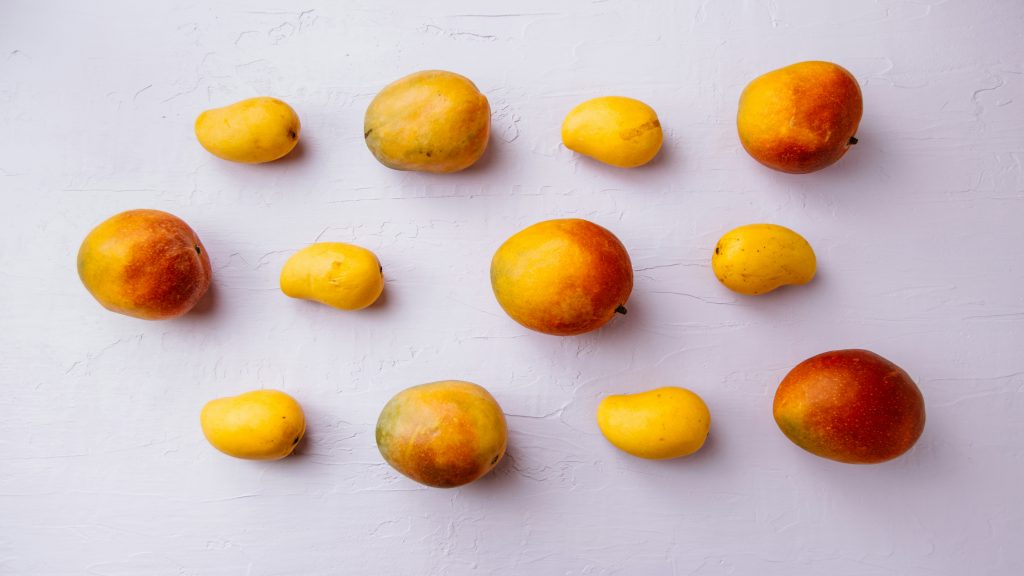
An outbreak investigation from December 2025 involving Salmonella in mangoes quietly comes to a close. The U.S. Food and Drug Administration (FDA) investigation into outbreak 1353 of Salmonella Saintpaul made progress on determining a food vehicle. However, this discovery never resulted in a product recall.
Over 50 people have been documented in this outbreak, but as with most outbreaks there are likely others who may have been impacted.
How do situations like this happen? Does this impact consumer trust?
Let’s dive in to what we know about this outbreak of Salmonella in mangoes.
At least 56 people became sick with the same strain of Salmonella Saintpaul. Upon discovery, an FDA traceback investigation was initiated.
One of the starting points of these investigations involves outbreak patient interviews. These interviews often include a recent food diary. Those sick with the outbreak strain are asked about the foods and drinks they have consumed in the weeks prior to becoming sick. Things like what they ate, where they ate it, and who they ate it with.
Oftentimes these epidemiological investigations also include gathering data from receipts, shopper reward cards, and other evidence that can help track down a specific product.
Based on the FDA, Centers for Disease Control and Prevention (CDC), state, and local partners epidemiological investigation, “ill people reported eating mangoes before becoming sick.”
By the time the outbreak concluded, any potentially impacted mangoes would have been beyond their shelf life and no longer available for sale.
Reports indicate no sample collection or on site inspection was performed for this outbreak. After a period of stagnation, the FDA deemed that there is no ongoing risk to public health involving Salmonella and mangoes and officially labeled the outbreak as “over.”
Believe it or not, this is not the first time this has happened. It is not even the first time it has happened with mangoes
In July 2024, a Salmonella Irumu outbreak sickened 32 people.
Just like this Salmonella Saintpaul outbreak linked to mangoes, the 2024 Salmonella Irumu outbreak closed due to “lack of additional supporting evidence.” No specific brand or farm could be identified.
While the traceback investigation appeared to make more progress, with sample collection being indicated on outbreak 1235, no on site inspection was performed.
Just last year there were three other outbreaks that closed without an advisory, press release, or recall.
So, how exactly do situations like this happen?
In this case, traceback was initiated, but no sample collection occurred. This could mean that there was no available product left in outbreak patient homes to test. Or that investigators could not pinpoint the point of sale for the products. Therefore, those couldn’t be tested either.
It is unclear exactly what happened in this situation. However, it does pose a question.
Does a quiet outbreak closure impact consumer trust.
A quiet outbreak closure without much media attention can seem suspicious. Consumers expect the FDA to notify them of potential food concerns. As a consumer, I believe some type of warning about mangoes should have been made. Protecting the industry from prematurely announcing brand or supplier names makes sense. However, at what cost?
Particularly with an outbreak as serious as Salmonella Saintpaul.
Salmonella Saintpaul is a strain of Salmonella bacteria. A microscopic germ that can cause anywhere from mild to severe illness.
The CDC estimates that Salmonella bacteria are responsible for around 1.35 million infections in the United States each year. Of those, around 26,500 people experience illnesses severe enough to require hospitalization. About 420 of those patients die from infection.
Common symptoms include:
Most people experience symptoms in as little as six hours and up to six days after exposure. In some cases, illness onset could be much longer.
Severity and length of illness often varies from person to person. However, most people experience mild illness that passes quickly. Others, on the other hand, may experience severe illness lasting weeks or even months after initial symptoms.
Most people feel better within a week (four to seven days).
Certain groups of people have conditions or susceptibilities that make them more likely to become sick if exposed and experience more severe symptoms if infected.
Those more vulnerable to Salmonella infection include:
Those more likely to experience sever symptoms include:
While most people do not need medical intervention and are not prescribed antibiotic treatment, those in the higher risk group are more likely to receive treatment.
In some cases, complications may arise from infection.
Most of the time Salmonella bacteria are limited to the intestinal tract. However, in some cases, the bacteria can breach the intestinal wall and enter the bloodstream capillaries and veins found there. When this happens, bacteria may infect the urinary tract, blood, bones, joints, and even the nervous system.
Common Salmonella complications include reactive arthritis, irritable bowel syndrome, and bacteremia that can affect other parts of the body.
Reactive arthritis, a condition affecting the collagen in the joints, eyes, and urethra, is a common complication. This type of infection causes joint pain, irritation of the eyes, and pain during urination. Reactive arthritis symptoms may last for months or even years in some people.
Irritable bowel syndrome is another common complication of Salmonella illness. In some cases, it can take quite some time before bowel habits return to normal.
Bacteremia associated with Salmonella infections can affect many different tissues in the body. Resulting in a variety of infections.
Potential bacteremia infections include:
If you became sick with Salmonella in late 2025 or early 2026 and consumed mangoes prior to becoming sick, you may have been part of this outbreak. It is a good idea to get advice from a Salmonella lawyer.
The Lange Law Firm, PLLC can help!
Reach out by calling (833) 330-3663 or send us an email for a free, no obligation consultation. A member of our compassionate team will go over the details of your situation with you to help determine if you have a legal case.
By: Heather Van Tassell (contributing writer, non-lawyer)