
Protecting families from contaminated food and water
All fields are required
Protecting families from contaminated food and water
Posted in Our Blog,Outbreaks & Recalls on April 16, 2026
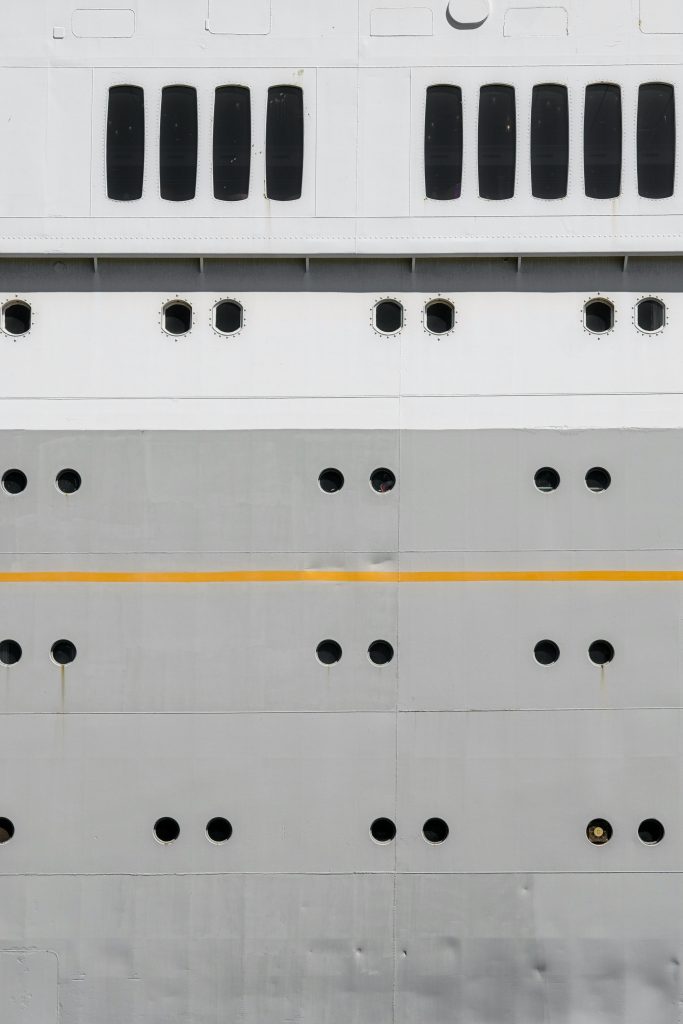
The Oceania Insignia cruise ship just returned to port in Miami Florida. Just days before arriving home, some passengers (and crew) were given an unwelcome souvenir.
Gastrointestinal illness.
According to the Centers for Disease Control and Prevention (CDC) Vessel Sanitation Program (VSP), an outbreak was reported on April 13, 2026.
Here’s what we know about the outbreak aboard the Oceania Insignia!
At least 19 of the 633 (3%) passengers and 3 of the 394 (0.8%) crew members reported gastrointestinal illness.
The predominant symptom among sick individuals was noted as diarrhea.
The “causative agent” is listed as “unknown.” Which could mean that either patients’ illnesses presented and run its course too quickly to test for the typical germs identified on cruises or the results were not available before the ship docked and passengers disembarked.
The Oceania Insignia cruise (Voyage number: INS260404) was an 11 day trip leaving Panama City, Panama on April 7, 2026 and returning to Miami Florida on April 14, 2026.
After traversing the Panama Canal, the Insignia made stops at Cartagena, Colombia and after a day at sea there was a stop at Wiliemstad, Curacao. From there, passengers made their way to Oranjestad, Aruba, then Montego Bay, Jamaica, and George Town, Grand Cayman Islands before returning to the US to port at Miami, Florida.
It is unclear exactly which days passengers reported illnesses. However, VSP protocols require cruise ships to report outbreaks once the number of sick individuals (including crew) reaches 3% of the total on board.
Sick people do not need to be sick at the same time to meet that criteria. So passengers could have reported illnesses as early as day one or as late as day 10.
In response to the gastrointestinal outbreak, VSP protocol requires certain actions to be taken.
These include:
Additionally, VSP remotely monitors the outbreak situation, review’s the ship’s outbreak response, as well as their sanitation procedures.
The specific germ responsible for the reported gastrointestinal outbreak has not been made public. But based on the primary symptom, there are a few potential bugs on the short list.
My first thought was the most logical.
Norovirus is often associated with cruise ships for many reasons.
Close quarters with several hundred people over several days (or even weeks) is a big risk factor. The more people you have around you, the more likely someone will have the illness and spread it.
Another big risk factor for norovirus on cruise ships is the food culture. From 24-hour buffets (many of which are self-serve), ice cream stations, and many restaurants to choose from onboard, there are plenty of places to pick up a norovirus germ.
It is also highly contagious.
As few as 10 viral particles is enough to make someone sick.
That is the reason this bad bug is at the top of my suspect list.
My next suspect is rotovirus.
Rotovirus is a lesser known gastrointestinal germ that comes on a lot like norovirus.
While there are vaccine protocols for children, the illness still persists.
In fact, recent reports indicate an uptick in suspected rotovirus illness based on WastewaterSCAN data. Especially in California and Texas.
Due to excessive diarrhea and vomiting, dehydration is a serious concern for those sickened with rotovirus.
Symptoms, contagiousness, and similar risk factors to as norovirus (mentioned above) lands rotovirus on the potential germ list.
Other symptoms, aside from diarrhea, were not indicated in the VSP report. But that does not mean that patients only experienced the one symptom.
Other potential gastrointestinal germs include:
The list can go on and on. The source could have been contaminated food, like leafy greens or undercooked beef. It could have resulted in a sick food worker or passenger who did not adequately wash their hands before touching food or common surfaces. it could have been a sick child or baby using the pool with a diaper.
We may never know.
If you experience gastrointestinal illness on board a cruise ship, you should notify the medical department right away.
They may want to take samples to determine the germ responsible for your illness and will likely need to investigate a potential source. Your information may help track down the source of the outbreak and help reduce other illnesses on board.
If you have been seriously impacted by your illness, it is a good idea to reach out to a gastrointestinal outbreak lawyer.
You may be wondering why you should get advice from a gastrointestinal outbreak lawyer if you get sick on a cruise ship.
There are many reasons.
If you have been impacted by this gastrointestinal outbreak on the Oceania Insignia or another cruise ship outbreak and want to file a legal claim, The Lange Law Firm, PLLC has a gastrointestinal outbreak lawyer that can help!
Foodborne illness is inconvenient, disruptive to your personal and professional life, and in some cases serious or life-threatening. Most of the time foodborne illness is completely preventable. Lapses in food safety or sanitation protocols result in consumers becoming sick.
Call (833) 330-3663 or send an email for a free, no obligation consultation to go over the details of your situation.
By: Heather Van Tassell (contributing writer, non-lawyer)