
Protecting families from contaminated food and water
All fields are required
Protecting families from contaminated food and water
Posted in Our Blog,Outbreaks & Recalls,Shigella on March 2, 2026
This week, health officials warned locals of a Shigella outbreak in Broome County. The number of cases over the past six months have quadrupled what the area sees in a typical year. While currently unknown, laboratory data suggests a common source.
What exactly is Shigella, and how is it spread? How do you know if you have it? What should you do if you get sick to reduce spreading the illness to others?
Here’s what we know so far about the recent Shigella outbreak in Broome County.
Broome County health officials have announced a record-breaking 23 cases of Shigella infections have been reported in the county since August. A 24th case is awaiting laboratory confirmation. But will likely join the list.
To put this into perspective, Broome County typically sees around four to six cases in a year.
It is no wonder that health officials are concerned.
The Broome County Health Department Medical Director explains that most of the Shigella cases are the same strain of Shigella sonneiI. When multiple, unrelated incidents involve genetically similar bacterial strains, it indicates community spread and often a common source.
At this time, no specific source has been identified. However, based on an interview posted on the Department’s Facebook page, the County Medical Director believes it may have to do with unclean (non-municipal) water or potentially involving the county’s unhoused population.
This has not been confirmed, and more information is needed to make that assessment.
Shigella is a bacterium capable of causing human infection. It is most commonly spread from eating or drinking contaminated food or water or contact with someone who is sick or recently recovered from a Shigella infection.
Many foods have been associated with Shigella outbreaks over the years. Making some foods more risky for Shigella contamination than others.
Risky foods include:
Drinking water contaminated with Shigella bacteria is another way of contracting a Shigella infection. Improperly or untreated water that has been contaminated with waste runoff is one of the most common water-originating causes.
While contaminated foods is one of the most common ways of contracting Shigella infection, it isn’t the only way. In addition to contact with contaminated water, mishandled or unhygienically handled food is another common source.
Shigella infections are spread through what is known as fecal-oral route. In that bacteria shed in an infected person’s bowel movement inadvertently consumed by another person can cause infection.
It doesn’t take much feces to spread illness. Even trace amounts leading to contaminated food that does not look, taste, or smell any differently can make you sick. It is as simple as someone with a Shigella infection not washing their hands after using the bathroom and coming into contact with common surfaces or preparing food. When someone eats that food or touches something that has been touched and does not wash their hands prior to eating, they can take in those harmful microbes.
Shigella infections may cause a variety of symptoms. However, diarrheal illness is the most commonly reported.
Common symptoms include:
Symptoms usually begin a day or two after consuming something contaminated with Shigella bacteria and usually resolve within a week.
Most people do not need antibiotic treatment to recover. However, some people may experience complications that can result in hospitalization, serious illness, or even death.
Those with a weakened immune system should call their doctor right away if they begin experiencing symptoms consistent with Shigella infection, as they are more likely to experience severe or prolonged symptoms and severe complications.
Anyone with serious symptoms should call their doctor or seek urgent care right away.
Seek medical care if you have:
In some cases, Shigella infections can lead to lasting effects. For some, it may take weeks (or even months) before bowel habits return to normal.
Additionally, up to 3% of those with Shigella infections develop a type of joint condition known as reactive arthritis. This can cause chronic joint pain, swelling and irritation of the eyes, and sometimes painful urination.
Other complications may include:
Shigella infections can easily spread from person to person, if those who are infected are not careful.
In fact, you can continue to spread the illness days (or even weeks) after you feel better.
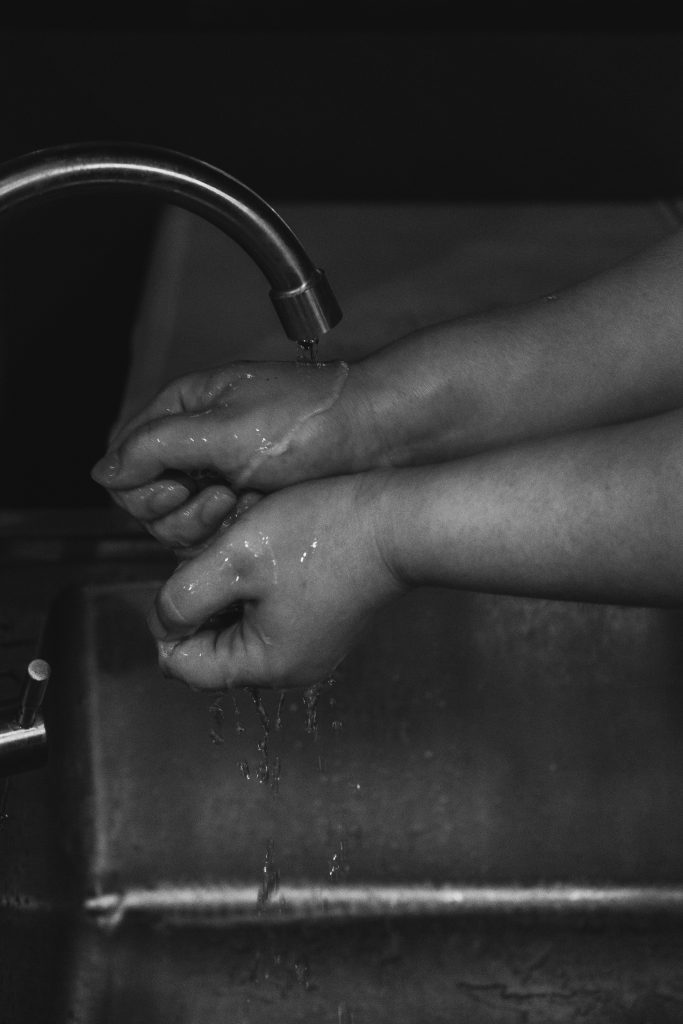
Always wash your hands before you eat or prepare food for others, when you use the restroom or help someone in the restroom, and after you change a diaper. If you are sick, do not prepare food for others, or report to work in a food service or childcare industry.
Break the cycle.
If you have recently become ill with symptoms consistent with a Shigella infection, you may be part of the Shigella outbreak in Broome County.
Reporting your illness can help epidemiologists narrow or expand the scope of the investigation. Seek medical attention right away or contact your local health department. Your sample and recent food history could help identify the source.
Becoming sick in a Shigella outbreak can be a stressful situation. Medical bills, missing work, caring for sick loved ones, and other burdens associated with Shigella infections add up.
If you have been impacted by this Shigella outbreak, seek advice from an experienced Shigella lawyer. A firm that has represented cases just like yours and has won millions of dollars for families in your situation.
The Lange Law Firm, PLLC has a Shigella lawyer that can help! If you have questions about making a legal claim, your answers are just a phone call or email away. Don’t wait to get the help you need and the justice you deserve.
Call (833) 330-3663 or click here to email for a free, no obligation consultation.
By: Heather Van Tassell (contributing writer, non-lawyer)