
Protecting families from contaminated food and water
All fields are required
Protecting families from contaminated food and water
Posted in Our Blog on June 11, 2026
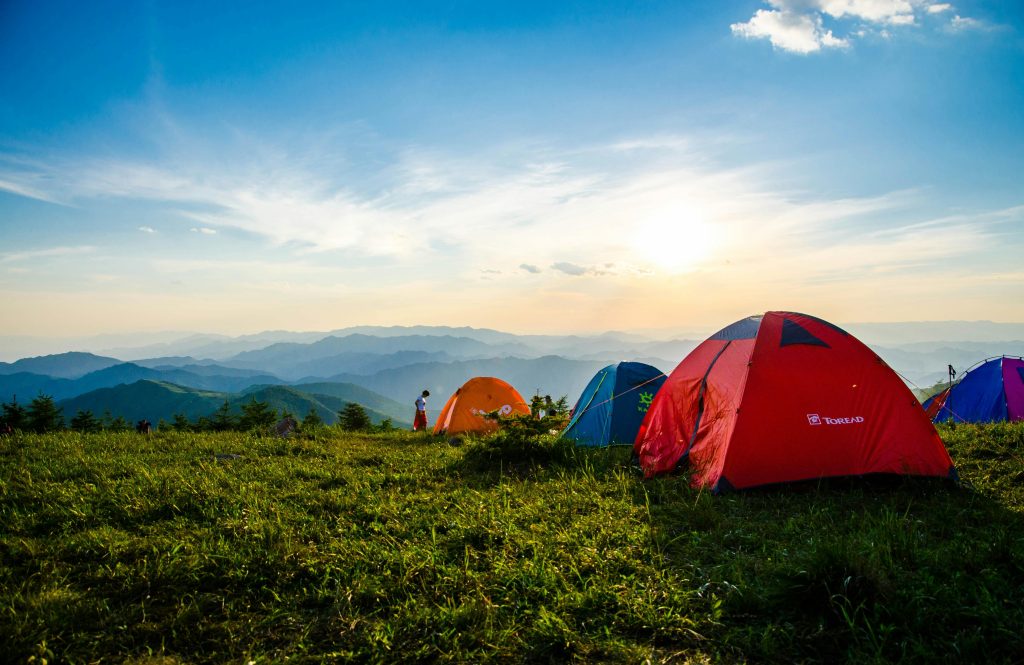
Norovirus while camping or backpacking seems like a worst nightmare for so many but it seems to be happening more and more especially on the Appalachian Trail (AT) The Shenandoah National Park in Virginia issued a statement recently warning people of the dangers of norovirus.
Norovirus is a highly contagious virus that causes inflammation in your stomach and intestines, also known as gastroenteritis. The most common symptoms of norovirus are diarrhea, vomiting, nausea, and stomach cramps. There are periodic Norovirus outbreaks on long-distance hiking trails, at shelters, and trail cabins or hostels where hikers congregate.
Norovirus is highly contagious and spreads easily through contaminated food, in water sources, touching contaminated surfaces, or by close contact with an infected person. Anyone can get infected with norovirus, and you can get sick multiple times in your lifetime because there are many different strains.
When gastroenteritis—inflammation of the stomach and intestines—comes from a non-invasive pathogen like norovirus, it’s generally self-limiting. In other words, the illness will run its course in a predictable amount of time, usually two to three days. That means once you catch it, there isn’t much you can do aside from waiting it out. Even if you do get off the trail and to a doctor in time, there isn’t a treatment for norovirus outside of managing the symptoms of gastroenteritis. Rest, a bland diet, isolation from other participants, and staying hydrated are key to riding out the illness on the trail.
If you can’t keep down water, leave and get medical assistance to stay hydrated. If the symptoms last longer than two to three days, are accompanied by severe abdominal pain, or inhibit your ability to walk on your own and/or take care of yourself, seek help immediately. Diagnosing the cause of gastroenteritis is not something that can be done in the backcountry, and certain severe symptoms can have catastrophic outcomes without medical interventions and monitoring.
Backpackers all have their own preferences for filtering and purifying water. If you are like me and carry a filtration device, be aware that mechanical filtration alone does not filter out viruses. The best bet for protection against viruses specifically is adding a purifying step. (I used to only carry iodine tablets as a filtration backup, but now they are a standard part of my water purification routine.) Boiling water is effective, as well, which comes in handy when it’s time to cook your meals.
If there’s anything we can learn from the recent incidents on the AT, PCT, and Grand Canyon region, it’s that outbreaks can strike quickly and take down a lot of hikers in a short period of time. However, science and wilderness medicine gives us a great framework to limit our exposure. Maintaining good hygiene, filtering and purifying your water, and having a plan for when and how to evacuate to medical services are all crucial to keeping yourself healthy in the backcountry.
For more information on norovirus and other safety tips for backpacking and camping stay tuned to Make Food Safe.