
Protecting families from contaminated food and water
All fields are required
Protecting families from contaminated food and water
Posted in Outbreaks & Recalls,Salmonella on June 11, 2025
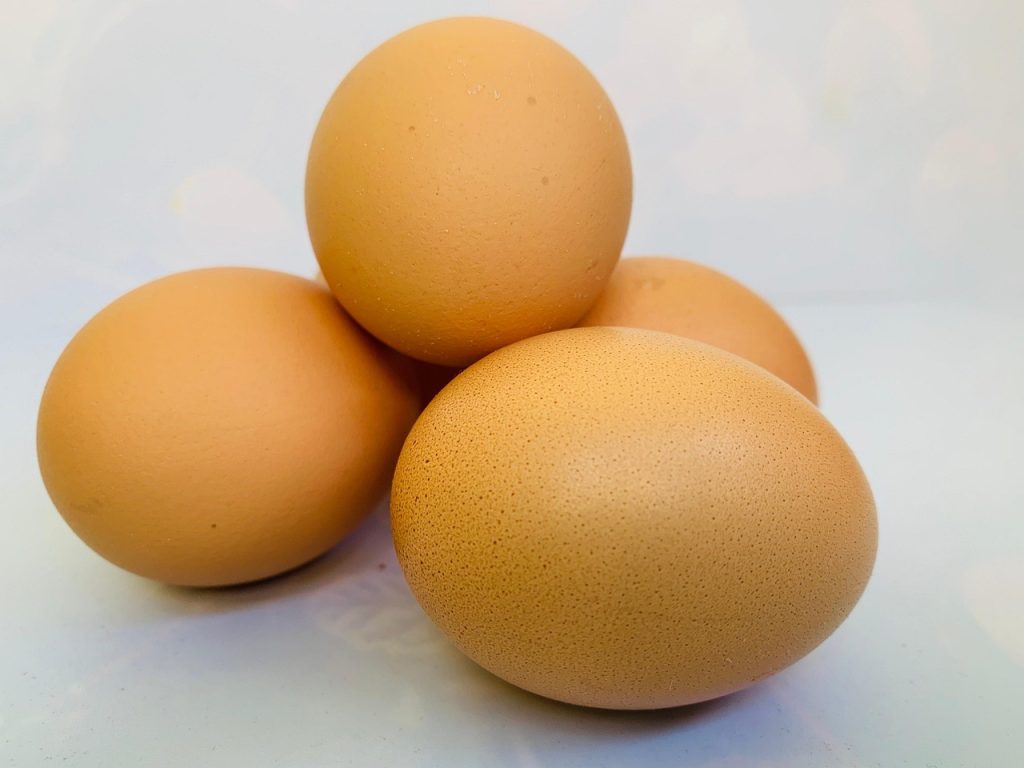
With Salmonella in eggs being linked to a multi-state outbreak, now is a good time to talk about Salmonella and egg safety.
What is Salmonella? Where does it come from? How do you know if you have it? If you get sick, how is it treated? Most importantly, how to protect yourself from Salmonella in eggs to keep your family safe.
But first, let’s discuss the current multi-state outbreak of Salmonella linked to eggs.
The U.S. Food and Drug Administration (FDA), the Centers for Disease Control and Prevention (CDC), along with state and local partners, have been investigating Salmonella illnesses spanning seven states.
Arizona, California, Kentucky, Nebraska, New Jersey, Nevada, and Washington.
So far, there have been at least 79 people infected with the outbreak strain of Salmonella Enteritidis. There have been 21 hospitalizations so far, but no deaths have been reported.
People began reporting illness starting February 24, 2025. The last date of illness onset was documented as May 17, 2025. However, more cases could be added to the list. It can take several weeks for a sick person’s sample to be connected to an ongoing outbreak. Especially if there are no other patients with symptoms bad enough to seek medical care in that state.
Of those with interview data available, an overwhelming link was made.
Eggs.
Just about all those interviewed indicated consuming brown cage free eggs or brown organic eggs before becoming sick.
More digging revealed a common supplier.
August Egg Company. A large egg processor in Hilmar, California.
Samples obtained from the company’s processing facility tested positive for Salmonella bacteria. Additional analysis determined that the facility’s samples were a genetic match to the outbreak strain making people sick.
The source was discovered, and a recall was announced.
The first step in protecting yourself from Salmonella in eggs is to understand what it is.
Salmonella are microscopic bacteria that can cause illness in humans and animals. We are most likely to become sick from consuming something contaminated with the bacteria.
Most often, this is associated with food or contaminated water.
Around 1.35 million cases of Salmonella illness occur in the United States each year, making it a leading cause of foodborne illness in the country.
Unfortunately, only a fraction of Salmonella infections are diagnosed. The CDC estimates that this statistic is just 1 in every 30 infections.
Why are cases so often underdiagnosed? Many cases of Salmonella illness are mild, and the sick individual generally opts to manage symptoms on their own without seeing a doctor or having their sample submitted for laboratory testing. Without a diagnostic test, we never learn which germ caused their illness.
In this case, we know that Salmonella can come from eggs. That much is obvious, in that there is a large outbreak associated with the food.
But Salmonella can also come from other foods. Improper cleaning or handling of certain foods can spread Salmonella and cause illness.
Meat, seafood, vegetables, fruits, and even rice are commonly associated with this bad bug. Major outbreaks have been associated with chicken, eggs, raw pork, raw beef, peanut butter, cucumbers, and raw flour.
Protecting yourself and others from Salmonella illness also involves knowing the signs. Once infected, others can spread the illness to you, food contact surfaces, and ready-to-eat foods.
Symptoms of Salmonella infection usually involve nausea, vomiting, diarrhea, cramps, and fever.
People usually begin feeling sick anywhere from 6 hours to 6 days after exposure. Most of the time people feel better within a week.
Most normally healthy people recover on their own without medical assistance. Severity, however, can vary from person to person.
In some cases, the germ can get into the bloodstream and cause additional, potentially life-threatening complications. You may develop arterial infections (infected aneurysms, endocarditis, or a condition known as reactive arthritis that can persist long-term).
Those with mild Salmonella infections treat illness by managing dehydration. Drink plenty of fluids and monitor symptoms. Seek medical attention if you experience diarrhea lasting more than two days or experience a fever higher than 102° F.
Those in higher risk groups, such as:
Minimizing your risk of Salmonella in eggs all comes down to food safety. There are a few key habits that can help reduce your risk of illness for this, and other foodborne germs.
Use separate cutting boards and knives for meats and vegetables. Always thoroughly wash cooking equipment and kitchen surfaces after coming into contact with raw ingredients.
Wash your hands before and after preparing food. As well as throughout the process when you hands become dirty.
Refrigerate eggs and other temperature sensitive foods to a temperature of 40° F or below.
Cook eggs to a safe temperature of at least 160° F.
Refrigerate leftovers promptly.
When food companies discover there is a safety issue with their products, they notify the public through a recall process. They announce the specific foods that may be impacted by the safety concern.
In this case, there is a huge recall list. You can find the complete list here.
Keep an eye out for recalls to protect yourself from Salmonella in eggs, other germs in food, and potentially undeclared allergens.
If you become sick after eating a recalled food, a food safety lawyer can help you through the process.
If you have been impacted by this outbreak of Salmonella in eggs and wish to make a legal claim, The Lange Law Firm, PLLC has a Salmonella lawyer that can help.
The Lange Law Firm, PLLC has successfully represented cases just like yours and won millions of dollars in food poisoning and products liabilities lawsuits.
Reach out by calling (833) 330-3663 or send us an email for a free, no obligation consultation.
Don’t wait. Call today to get the justice you deserve!
By: Heather Van Tassell (contributing writer, non-lawyer)