
Protecting families from contaminated food and water
All fields are required
Protecting families from contaminated food and water
Posted in Food Safety,Our Blog on June 15, 2026
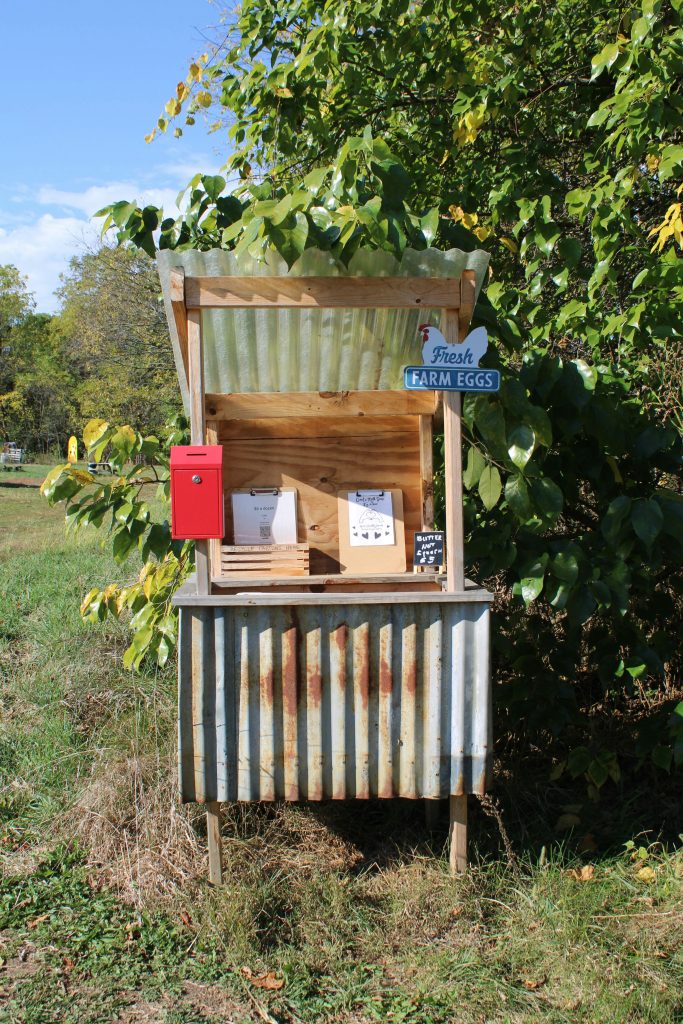
Opening a farm stand can be one of the easiest things, but can also prove to be tedious. There are many rules and regulations that can vary by state and locality. Some counties require licensing, inspections etc. This goes way beyond knowing how to bake and sell farm fresh eggs.
The summer months can be grueling when the heat arrives and you have to make sure there is a way to temperature control fresh produces and baked goods as well as the eggs. No one wants to buy anything that is spoiled but you are also risking making someone else sick if they are unaware. Opening a farm stand requires a lot of knowledge.
The next issue is finding out the cottage laws in your area to prevent getting into trouble with the health department. Cottage laws are in place to protect people from selling things that can potentially become hazards. The core concept behind every cottage food law is the same: foods that don’t support harmful bacterial growth at room temperature are lower risk, so they can be made at home and sold to consumers without commercial oversight. The food science term is “non-potentially hazardous food” or, in newer food code language, food that doesn’t require time or temperature control for safety. In practical terms, that means the food is either dry enough or acidic enough that dangerous pathogens can’t thrive in it.
Two measurements determine where a food falls on the safety spectrum. Water activity measures how much free moisture is available for bacteria to use, on a scale from 0 (bone dry) to 1.0 (pure water). pH measures acidity on a scale where lower numbers mean more acidic. Foods with a water activity at or below 0.85 and a pH at or below 4.6 are generally considered safe at room temperature. That’s why dry baked goods, high-sugar preserves, and vinegar-based products keep showing up on approved cottage food lists everywhere.
The most commonly permitted cottage food items include:
Most states do not allow anything that requires constant refrigeration.
You have to make sure your labels are compliant with local guidelines as well. Many times these require ingredients, the name of your stand and contact information.
It is really hard sometimes to price your goods too. Often things are not worth the effort to sell because the time and ingredients are just too much. No one goes into business to lose money.
Advertising can be difficult based on location as well. Some people live in busy areas where they find getting customers to be a breeze, while someone in a more rural setting would struggle and have to work more to maintain a customer base.
At the end of the day the best thing to do is tons of research on your local regulations as well as state. Keep an eye here on Make Food Safe for lots of tips to keep your home kitchen safe so that you can share your love of creating with everyone you know.