
Protecting families from contaminated food and water
All fields are required
Protecting families from contaminated food and water
Posted in Botulism,Food Policy,Food Safety,Our Blog,Outbreaks & Recalls on May 23, 2026
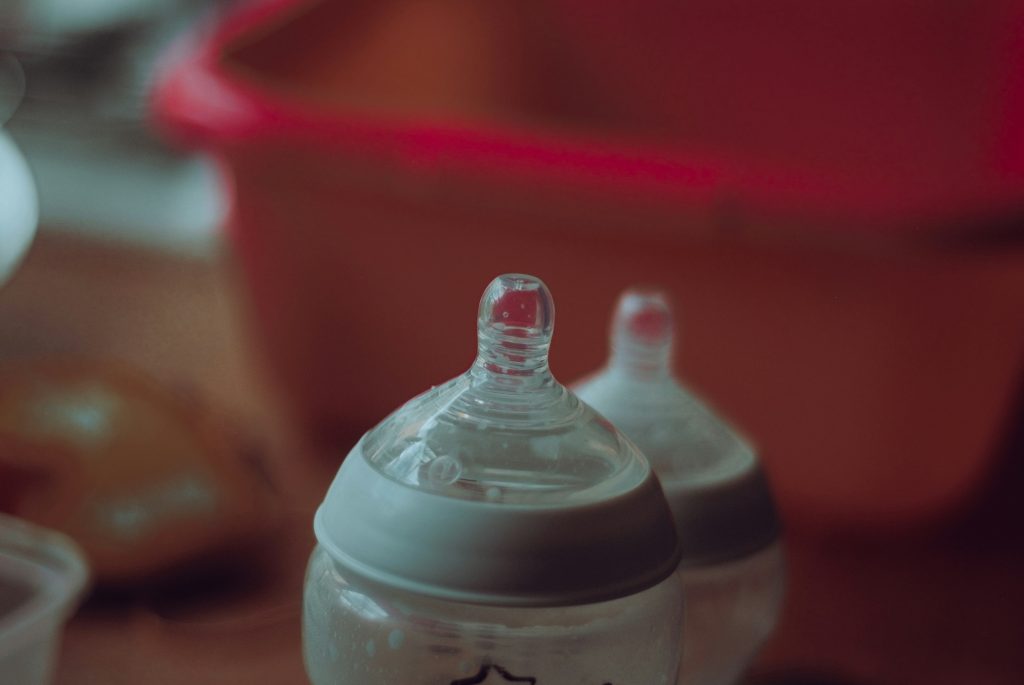
The 2025 infant botulism outbreak was tragic and historic. At least 51 infants across 19 states were hospitalized with botulism poisoning with confirmed exposure to ByHeart Whole Nutrition infant formula. It was the first known botulism outbreak tied to infant formula in the entire world since in the almost 50 years clinicians were aware of the illness.
The root cause investigation and ongoing work with ByHeart, Inc. is important to prevent it from happening at that facility again. However, the FDA is thinking much bigger than the 2025 infant botulism outbreak.
The organization is working with international experts and “standard setting bodies” to conduct a risk assessment on Clostridium botulinum in infant formula.
Here’s what we know so far about how the 2025 infant botulism outbreak may impact regulations in the future.
Unlike Cronobacter and Salmonella, Clostridium botulinum are spore-forming bacteria. Their protective spores allow them to survive conditions that would kill other pathogens. Pasteurization is generally ineffective on this germ.
They are often found in low levels in many foods and in the environment. These germs are generally harmful to older children and adults. The immature digestive system of an infant, on the other hand, is an entirely different story.
When infants consume viable spores, those spores can shed their protective coats and become infectious again. While inside the body, they begin to produce a life-threatening toxin that affects the nervous system. Without prompt treatment, the outcome can be deadly.
In addition to spore-forming Clostridium botulinum’s resistance to pasteurization, detection methods are also difficult to perform.
Analytical tests to screen for or identify common foodborne germs have been around for quite some time. However, these methods don’t usually work for Clostridium botulinum.
Microbiological methods incubate the sample on a culture. If the bacteria grow, it can be identified.
Molecular methods analyze the DNA of pathogen cells. However, if hearty spores do not break open, their DNA cannot be accessed for analysis.
Microscopic methods are not effective. As the mere presence of spores is not an indicator of risk. This is because not all spores are truly viable and capable of causing illness.
This is not to say that spore-forming bacterial tests do not exist. Certain laboratory detection methods specifically for these types of germs just require additional time and specialized resources. Which the FDA says limits the number of labs with testing capacity.
As for turn around time. Results can take up to two weeks or more for final results. Creating a backlog of product if they are being held until results are cleared. Or a large amount of potentially harmful product on the market if the results prompt a recall after it hits store shelves.
The FDA has put together four main actions to respond to the 2025 infant botulism outbreak in an effort to prevent a future outbreak like it from happening again. It is likely that the scope of this project will expand as experts come tother with a plan.
Here’s what they have so far:
Currently, there is no active recall or outbreak involving infant botulism. However, caregivers of infants at higher risk for infection may consider the following advice from the FDA.
“Consumers can consider using liquid ready-to-feed formula, as this is the safest option for higher risk formula-fed infants. If you can’t obtain liquid ready-to-feed formula, consider using a liquid concentrate. Both liquid ready-to-feed formula and liquid concentrate are made to be sterile (without germs) and are safer options than powdered infant formula for higher risk infants not receiving breast milk. If using liquid concentrate formula and you are uncertain about the safety of your water source, be sure to boil the water for making formula, then let it cool in the pot for five minutes before putting it in the bottle. Add the liquid concentrate, shake to mix and allow the formula to cool to room temperature before feeding your infant.
If you are concerned that your child is experiencing symptoms of infant botulism, get medical attention right away!
Babies with infant botulism may experience any combination of symptoms associated with the illness.
Some of the common symptoms may include:
According to the U.S. Centers for Disease Control and Prevention (CDC) “symptoms of infant botulism, which is diagnosed clinically, can take as long as several weeks to develop following formula ingestion.”
Infant botulism should be taken very seriously. If you suspect your baby has infant botulism, there are a few things you can do to help your situation, and theirs.
Botulism can be fatal if not treated right away. Your physician should notify the Infant botulism treatment and Prevention Program hotline at 510-231-7600 for a case consultation. The line is available 24/7.
If possible, retain a portion of the product (carefully bagged up and labeled so it is no longer consumed). This could be useful if investigators wish to test a sample from your opened container.
Otherwise, document lot information for the product that was consumed to be used in the traceback investigation process.
If your child has been impacted by infant botulism after consuming infant formula, it is a good idea to get legal advice. A Food Poisoning Lawyer understands product contamination and product liability cases and can help you through this difficult process.
The experienced Food Poisoning Lawyers at The Lange Law Firm, PLLC are dedicated to holding food companies accountable for lapses in food safety that result in illness or injury. They have recovered millions of dollars in product liability and food poisoning cases.
They can help you too!
Call (833) 330-3663 for a free, no obligation consultation. Or fill out the online submission form, and someone will get back with you right away.
By Heather Van Tassell (contributing writer, non-lawyer)