
Protecting families from contaminated food and water
All fields are required
Protecting families from contaminated food and water
Posted in Food Policy,Our Blog on May 22, 2026
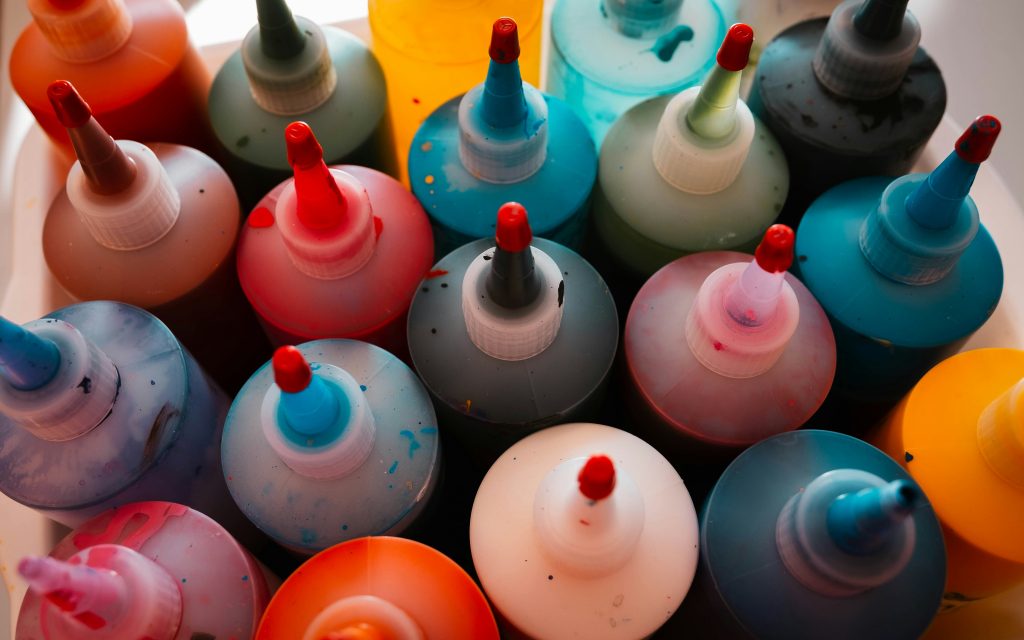
In a recent Consumer Reports piece, the consumer advocacy group discusses the slow progress to phase out synthetic dyes from food products. While there are some that jumped on the bandwagon early on, others are dragging their feet on during this voluntary time period to phase out synthetic dyes.
The organization explains that a U.S. Food and Drug Administration (FDA) ban is likely a deciding factor on whether or not all food companies jump onboard.
What does this confusing limbo period mean for consumers? Which companies have made good on their promises already?
Let’s discuss!
The current policy to phase out synthetic dyes is voluntary. While the April 2025 FDA Press Release has set a timeline for synthetic dyes to be replaced by the end of this year (2026), it is unclear what happens after that soft deadline.
Some have taken steps to replace them. Others have successfully transitioned all of their manufactured products. Unfortunately, some of the largest food companies in the country haven’t even made official commitments at all. Despite already selling products with alternative ingredients in countries where synthetic dyes are already restricted or outright banned. They have the capabilities. But no progress in our domestic market has been made.
“The infrastructure is already in place, so it’s just a matter of flipping the switch on the domestic side, but many of them haven’t,” says Brian Ronholm, director of food policy for Consumer Reports. He concedes, for some cases, it could be due to ingredient availability or binding contracts with ingredient suppliers.
Regardless, this plan to make companies phase out synthetic dyes does not have noted consequences.
A phase out it voluntary.
A ban would be mandatory.
What is likely needed for complete compliance will be a ban.
This period of limbo can be confusing for consumers. Someone who does not regularly keep up with this legislation may have seen headlines saying that the Department of Health and Human Services (HHS) has banned synthetic dyes, or the FDA is making companies phase out synthetic dyes. Consumers read this. But when they go to the store, dyes are still in our food.
While the ingredients panel on all manufactured foods must accurately list what is inside, a tired mother or busy college student may not realize the cereal they are buying contains dangerous synthetic dyes. They are supposed to be banned. Aren’t they.
Even more confusing, certain products like Doritos and Cheetos have both options available for purchase. The packaging looks different. But it could still be confusing.
So, what were the expected milestones?
Certain synthetic dyes use for food colorings were banned immediately. For example, Citrus Red No. 2 and Orange B authorizations were revoked right away. Banning the dyes with significant and well-documented health consequences.
Recent legislation was already in place to remove Red No. 3. HHS and FDA requested that deadline be pulled in to match the other dyes included in the phase out plan.
The six remaining dyes, Green No. 3, Red No. 40, Yellow No. 5, Yellow No. 6, Blue No. 1, and Blue No. 2 were to be eliminated by the end of 2026.
Only four of the 27 companies who have pledged to remove synthetic dyes from their products have actually completed their goals. However, there is some missing data if you read between the lines.
For example, In-N-Out Burger has pledged to remove synthetic dyes from the Strawberry Shakes and Pink Lemonade. Their official statement is that they “eliminated certified color additives from Strawberry Shakes and Signature Pink Lemonade.” However, are there other products on their menu with ingredients containing synthetic dyes? If so, what are their statuses?
PepsiCo, Inc. pledge to make New Cheetos and Doritos products without synthetic dyes. Their official statement on their pledge indicates that they have manufactured “new products made with no artificial flavors or dyes, and completely colorless.” I can personally attest to still finding the old product at the grocery store alongside their cleverly packaged black and white bags of new formulations. However, I have noted that the new formulation is not available in all the places that I shop for chips. Additionally, PepsiCo, Inc. manufactures a significant number of other popular snack foods that are missing from the list. What about those products?
Sam’s Club appears to be the most compliant company so far, pledging Member’s Mark food and beverage products will eliminate synthetic dyes. They say they have successfully done so. Their official statement says that they “eliminated certified synthetic colors/FD&C colors.” I don’t see any gaps in their claim. However, I haven’t examined Sam’s Club Member’s Mark products recently.
Tyson Foods products under the label of Tyson, Jimmy Dean, and HILLSHIRE FARM, have pledged to “eliminated certified color additives from products by the end of May 2025. This company has kept the products that did contain synthetic dyes rather close to the belt over the years. After a brief search, I was not able to find these Tyson products with synthetic dyes. So, it appears that they kept their promise.
For some pledges, their professed deadline has already passed. Which could mean that they have not updated the FDA or the FDA has not updated the Industry Tracker page to reflect it. However, it could mean that they have not met their promise.
PepsiCo, Inc pledged to remove all artificial colors from pull powder sticks with synthetic dyes in Spring 2026. We are in Summer 2026 territory now, and the table has not been updated to reflect movement on that pledge. Their other pledge to remove FD&C colors from their fruit punch, lemon lime, and orange Gatorade Thirst Quencher and Gatorade Zero product in the Fall of 2026 has not passed its deadline yet. Hopefully there is an update soon.
For now, both remain “in progress” on the pledge tracker.
PIM Brands, Inc. made a pledge to “remove artificial dyes in all products by early 2026.” While we can argue exactly what month on the calendar surpasses “early,” we are nearly into mid-2026. It appears that Welch’s Fruit Snacks has not made good on their promise.
The Target Corporation pledged to “remove certified synthetic colors” for all cereal products sold both in store and online “by end of May 2026.” There are still a few days remaining in the month. We will keep an eye on this tracker as this story develops.
What is clear, however, is that cereal was the only product pledged by Target. There are countless other products with dyes in the store. Even ones from their private label store brands like Good & Gather and Favorite Day.
Mars, Inc. pledged to “offer product options without certified colors starting inn 2026” for their Extra, M&M’s SKITTLES Original, and Starburst products. While I have seen a few products without dyes, it does not appear they are available in all places these Mars products are sold. The original products containing synthetic dyes remain on store shelves. There is no mention of a timeline (or if it is planned) to remove those products from the market.
Some brands have decided to align their pledge to phase out synthetic dyes as close to the HHS/FDA press release voluntary deadline as possible. This does not mean they will not accomplish the goal before then. But it also does not guarantee that they will meet it either. Most of the products indicated by these companies are also not all-inclusive to their product lines.
These companies include:
The Make Food Safe Blog will be following these companies.
Two companies have listed no deadlines, however they have placed themselves on the pledge tracker.
Danone U.S. has pledged to “eliminate certified color additives from U.S. portfolio” in their Light + Fit Greek and YoCrunch products. No other Danone U.S. products were listed.
McCormick & Company, Inc pledge to “reformulate flavors, seasonings, condiments, and spices” in their FRANK’S RedHot, French’s, and McCormick products.
Part of the Consumer Reports survey asked U.S. adults about their opinions on synthetic dyes in food. About 72% said that they are “at least somewhat concerned about the use of synthetic dyes in food. The survey found that 66% of respondents think that food (and drug) companies “should be required to phase them out.”
Among the people I know, this seems consistent. I have some friends that don’t really care. They say we are all going to die anyway. However, the majority of my friends and family are paying closer attention to the foods and drinks they consume. As more and more information becomes available about the negative health effects of these synthetic dyes and alternatives growing more readily available, they are taking a stand of their own.
Food manufacturers will produce what people buy. If more people buy options without these synthetic dyes, it may encourage companies to phase out synthetic dyes more quickly. Check labels before you make your purchase to make sure that the products you are purchasing and consuming align with what you want to see on the shelf.
Some states have already voted to speed up deadlines to phase out synthetic dyes sold in their states.
California, for example, banned certain synthetic dyes from foods served in the school lunch program back in 2024. Their timeline to phase out synthetic dyes will go into effect in 2027.
West Virgina passed a bill in 2025 banning seven synthetic dyes from products sold in their state. A ban that will go into effect by 2028. However, the school lunch synthetic dye ban was effective August 2025.
Both Texas and Louisiana have passed warning label bills which require labels indicating potential harm from synthetic products. Much like the cancer warnings found on products sold in California.
These states have made laws of their own, in case the Federal deadlines soften. However, in some cases these state regulations are being challenged in Federal courts in an attempt to upend them. It is not clear whether they will lawfully go into effect.
If you’d like to know more about food safety topics in the news, like “Consumer Reports Calls Out Companies Who Have Yet to Phase Out Synthetic Dyes,” check out the Make Food Safe Blog. We regularly update trending topics, foodborne infections in the news, recalls, and more! Stay tuned for quality information to help keep your family safe, while The Lange Law Firm, PLLC strives to Make Food Safe!
By: Heather Van Tassell (contributing writer, non-lawyer)