
Protecting families from contaminated food and water
All fields are required
Protecting families from contaminated food and water
Posted in Legionella,Legionnaire's disease,Our Blog,Outbreaks & Recalls on May 20, 2026
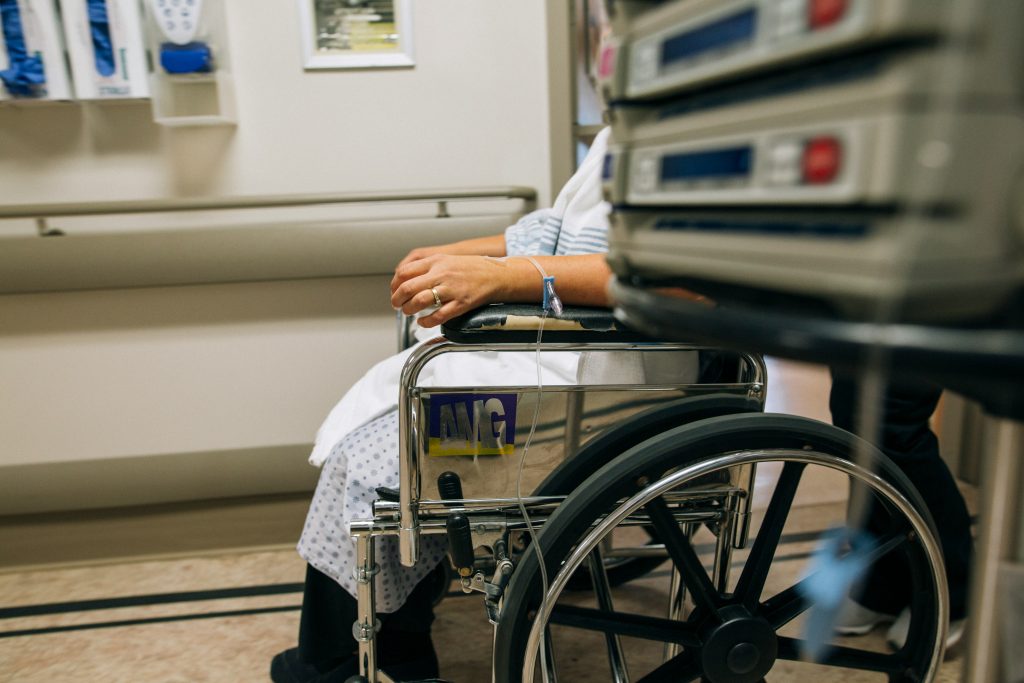
An outbreak of Legionnaires’ disease at Howard Johnson By Wyndham hotel has raised concerns about guest notification practices and continued spread of illness as mitigation efforts take place. The situation has been ongoing since April, with several guests reporting Legionnaires’ disease at Howard Johnson after their stay.
RiverStone Health, the County health authority, has asked guests to monitor themselves for symptoms and report health concerns right away. But what exactly is Legionnaires’ disease, why is it so dangerous, and what should you do if you start to fall sick?
Follow along for that, and more, as we explore what we know so far about the recent outbreak of Legionnaires’ disease at Howard Johnson By Wyndham hotel in Billings, Montana.
Water samples were obtained from the hotel water system following reports from multiple guests who experienced legionella-related symptoms. These cases date back as far as a year ago.
Reports indicate that the majority of those samples contained the deadly legionella bacteria. The germ responsible for Legionnaires’ disease.
But what exactly is Legionnaires’ disease and how is it spread?
Legionnaires’ disease is caused by inhaling microscopic Legionella bacteria suspended in aerosolized water droplets. Essentially water mist. Inhaling this mist can move these waterborne bacteria into your lungs where they can cause infection.
Certain human-made water systems are better suited for growing and spreading harmful Legionella bacteria. But anything that generates a mist or spray can spread bacteria. Fixtures like hot tubs, decorative fountains and water features, and even shower heads and sink faucets. These germs love warm water. So things like hot tubs, hot water tanks and heaters, and cooling towers (like those used in large building’s air-cooling systems or industrial processes). Large, complex plumbing systems, especially those under construction or with dead legs are especially vulnerable to Legionella growth.
Fortunately, Legionnaires’ disease is not contagious. Person to person spread is extremely rare!
A spokesperson for RiverStone Health has indicated that there was a reason for the initial news release delay. Remediation that took place after the initial discovery took longer than originally expected. However, there are some concerns about transparency to hotel guests.
It seems that some of the recent guests were not being clearly informed about the ongoing risk. Which did not give them the opportunity to make the best choice for their personal health conditions. Someone who was higher risk may have decided to find alternative lodgings.
“Protecting the health and safety of our residents and visitors is our top priority,” RiverStone CEO Jon Forte said in a news release. “Therefore it’s important to adequately notify the public about their potential risks so they can make informed decisions when choosing a place to stay in Yellowstone County,” he said.
RiverStone has provided the hotel with letters and fact sheets for distribution to all current and future guests. As well as previous guests since March 16, 2026. This information should also be displayed prominently at the property.
The hotel is working with a contractor to remediate and clean all residual bacteria from their water system.
In response to the Legionnaires’ disease at Howard Johnson at Wyndham hotel situation, RiverStone Public Health has asked for guest responses.
“If you have stayed at the Howard Johnson in Billings and experienced any of the following symptoms within 30 days of your stay, the most important thing you can do is seek medical attention and/or contact RiverStone Health Public Health Services at 406-247-3305 during business hours Monday through Friday, between 8 a.m. and 5 p.m. with any questions or concerns.”
If you have recently stayed at the Howard Johnson By Wyndham hotel in Billings, Montana recently, especially if you are at an increased risk for Legionnaires’ disease, monitor yourself for symptoms.
Who is at higher risk?
Anyone exposed to Legionella bacteria is at risk of contracting Legionnaires’ disease. However, there are some groups of people who are more likely to become sick if exposed, or experience more serious illness if they become sick.
Those at increased risk include:
Legionnaires’ disease generally produces respiratory and flu-like symptoms.
Common symptoms of Legionnaires’ disease include:
These symptoms usually begin around 2 to 14 days after exposure. However, in some cases, illness may take longer to present.
Other symptoms may include diarrhea, nausea, and/or confusion.
The reason Legionnaires’ disease is so dangerous is the high mortality rate.
Legionnaires’ disease symptoms should be taken very seriously. Most Legionnaires’ disease cases require hospitalization. These illnesses can be fatal. In fact, 1 in 10 individuals with Legionnaires’ disease will die from complications of their illness. In a health care setting, this risk elevates to 1 in 4.
If you begin experiencing symptoms of Legionnaires’ disease after visiting, staying at, or working at the Howard Johnson By Wyndham hotel in Billings, there are a few things you should do.
RiverStone Health has asked for those who become sick with Legionnaires’ disease after their stay at Howard Johnson By Wyndham in Billings to notify them. But there are a few other things that you should probably consider.
Legionnaires’ disease can be treated with normal pneumonia treatments. However, accurate diagnosis is key for faster recovery.
If you begin experiencing symptoms, reach out to your healthcare provider right away. Notify them of your recent exposure risk to help expedite appropriate laboratory tests.
Specialized treatment protocols specifically for Legionella bacterial infections will aid in faster recovery and much better outcomes. The faster diagnosis is determined and treatment administered, the better your chances for full recovery.
This information is often requested by local health authorities in the form of a list of places you have stayed or visited in the weeks prior to your illness.
It is a good idea to make this list as soon as you feel well enough to do so. This will help ensure it is as accurate as possible. If you have stayed at Howard Johnson By Wyndham, receipts and emails documenting your stay are also helpful to have on hand.
Legionnaires’ disease is a preventable illness. Simple routine maintenance keeps these harmful germs from growing and infecting those entering the facility. Even more importantly. This maintenance is required by health authorities.
Lapses in these safety protocols leave guests vulnerable to illness.
Medical bills, lost wages, and other burdens associated with Legionnaires’ disease add up. An experienced Legionnaires’ disease lawyer can help answer questions you may have about your situation and point you toward the resources you need. If you wish to make a legal claim, they can help you every step of the way.
The Lange Law Firm, PLLC has won millions of dollars in Legionnaire’s’ disease cases for families in situations just like yours.
If you or a family member has visited or stayed at Howard Johnson By Wyndham hotel and have been impacted by Legionnaires’ disease, The Lange Law Firm, PLLC has a Legionnaires’ disease lawyer that can help.
Call (833) 330-3663 or send an email for a free, no-obligation consultation.
By: Heather Van Tassell (contributing writer, non-lawyer)