
Protecting families from contaminated food and water
All fields are required
Protecting families from contaminated food and water
Posted in Our Blog,Outbreaks & Recalls,Vibrio on June 10, 2026
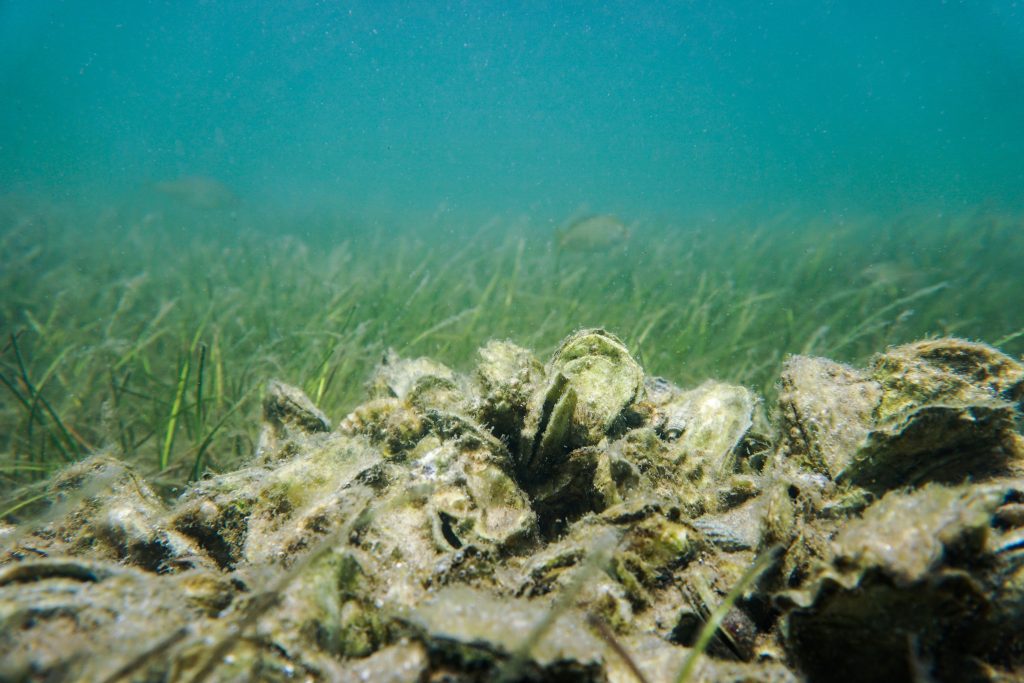
As the mercury climbs, so do cases of Vibrio in Florida and other coastal areas. At least five cases have been reported so far in the state.
Anyone getting sick from a preventable illness is bad. But why are these five illnesses so significant?
Apparently, the number of cases involving Vibrio in Florida have surpassed last year’s statistics for this reporting date. Meaning, Vibrio illnesses are getting an early start this year.
Now is a great time to discuss this deadly foodborne and flesh-eating germ. Seasonal peak cases for vibriosis often occur between May and September and we are entering Vibrio season.
So, what is Vibrio and how do you get it? How do you know if you have it? What can you do to prevent it?
Here’s what we know so far about Vibrio in Florida and how to protect yourself!
As of May 23, 2026 at least five cases of Vibrio vulnificus have been reported in Florida. The Florida Department of Health says that these cases come from Hillsborough, Lee, Miami-Dade, Palm Beach, and St. Johns counties. Indicating a wide span of reported cases.
Experts suggest that this geographical span may indicate a “diffuse environmental exposure” rather than a “point-of source event.” Which is consistent with environmental risks associated with Vibrio vulnificus being naturally endemic to the warm, brackish coastal waters of Florida.
Additionally, people becoming sick and returning home to be treated may not be connected to Vibrio in Florida. With treatment being performed in another state.
We expect there will be more cases.
To complicate statistics further, most cases of foodborne illness go unreported, as many do not need medical intervention and are never tested for these germs. Therefore, there are likely other cases of Vibrio in Florida the State Department of Health does not know about.
Vibrio vulnificus is endemic to Florida. Each year tourists and locals flock to the water in the state. Some may not know the risks that lurk in the water and the shellfish they catch or eat.
Last year, Florida saw 33 confirmed cases of Vibrio infections. Five people died from complications of their illness.
Since 2023, at least 161 confirmed cases have been reported in the state.
But Florida isn’t alone. Nationally, Vibrio cases have also seen a stark increase. A CDC Vibrio database indicated 2719 Vibrio cases were reported in the United States. By 2024, that number rose to 3743, indicating “a long-term upward trend.”
Scientists believe this earlier and more widespread indication of Vibrio growth is related to warmer ocean temperatures.
Vibrio is a type of bacteria that thrives in warm brackish waters. In places like Florida, the germ is always present. When conditions are right, however, the germ begins to multiply to infectious numbers.
People can become sick from Vibrio infections in two ways.
Wound exposure and consuming food contaminated with the bacteria. Fortunately, there is no evidence to suggest that person-to-person transmission of Vibrio is common.
Vibrio vulnificus can thrive in warm sea water. When people with open wounds are exposed, the bacteria can enter their bloodstream and cause infection.
Never swim with open cuts, wounds, or even scratches. Especially during peak Vibrio season.
Contact with raw shellfish (processing, cooking, or handling it) can also cause wound infections.
At least one 2026 case of Vibrio in Florida involved wound exposure.
In this case, a 74-year-old man “sustained a laceration” after entering the Gulf Coast water. The Vibrio wound infection resulted in serious tissue destruction and required a partial leg amputation.
Another common way people become sick with Vibrio infections is by consuming raw shellfish. Especially oysters.
This does not only apply to oysters you catch yourself. You can become infected with foodborne Vibrio by eating raw oysters at a restaurant too!
Symptoms of food poisoning caused by Vibrio from oysters involve digestive and flu-like symptoms.
Common gastrointestinal symptoms include:
Wound infections are typically topical.
Common wound infection symptoms include:
Once Vibrio enters the bloodstream, it can become deadly.
Common symptoms of bloodstream Vibrio infections include
Prevention is the best way to protect yourself from Vibrio in Florida.
Raw oysters are a common way people become sick with Vibrio infections. Even if you consume them with alcohol, douse them in lemon juice, or any of the other colloquial methods to kill the germ.
They do not work!
The only way to safely consume oysters is by cooking them.
Grill them, bake them, fry them, steam them. Fully cook them to ensure Vibrio bacteria have been killed.
An open wound can be easily infected. Even small cuts and scrapes can become infected.
Either avoid the water or contact with raw oysters entirely or carefully bandage and wrap it to keep it water tight. But if you ask me, avoiding it is your best bet. Why risk it! An amputation is just not worth a good meal or day in the water.
While it may be rare, Vibrio bacterial infections are very serious. What should you do if you become infected with Vibrio bacteria?
If you feel you have become sick from eating food contaminated with Vibrio vulnificus, or have an infected wound, seek medical attention immediately. Symptoms progress rapidly and can go from bad to worse very quickly.
Notify your healthcare provider that you may have been infected with Vibrio to facilitate faster diagnosis and specialized treatment.
If you have become sick with a Vibrio infection, your local health department will likely interview you to help determine the cause of your illness.
Have you had contact with salt or brackish water? Have you come into contact with raw seafood.
What foods have you consumed in the weeks prior to becoming sick.
Make this list as early as you feel able to. The sooner you make the list, the more complete it will likely be. Your experience may point to a source of illness that impacts others.
If you became infected with Vibrio bacteria from eating contaminated or undercooked food, you may want to seek advice from a Vibrio lawyer. An experienced Vibrio lawyer can go over the details of your case to determine if you have a legal case.
Contact the Vibrio lawyers at The Lange Law Firm, PLLC at (833) 330-3663 or click here for a free consultation.
By: Heather Van Tassell (contributing writer, non-lawyer)