
Protecting families from contaminated food and water
All fields are required
Protecting families from contaminated food and water
Posted in Bacillus,Our Blog,Outbreaks & Recalls on March 12, 2026
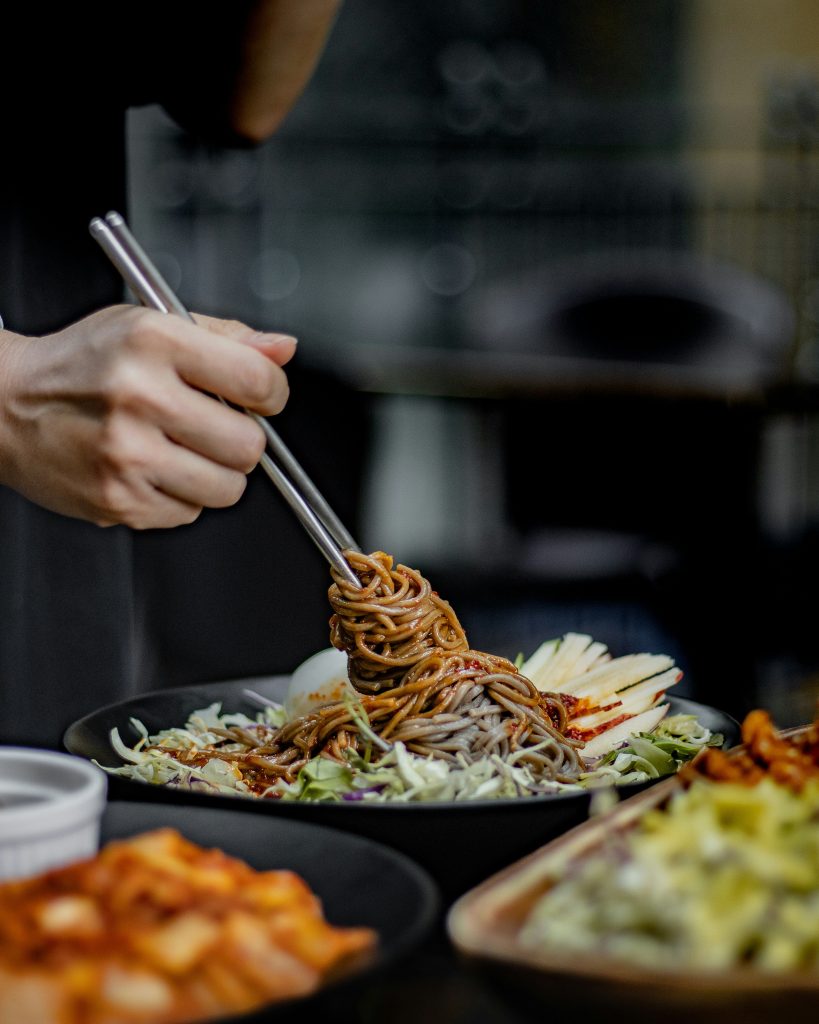
Bobae Korean Noodle House & Bar, in Bellevue, Washington (near Seattle) is associated with a gastrointestinal outbreak. During the investigation, King County Public Health identified major health code violations that may have contributed to those reported illnesses.
King County Public Health suspects Bacillus cereus, a common food poisoning pathogen, is the germ responsible for those illnesses.
There are likely additional, unreported illnesses associated with this outbreak. Many people with food poisoning experience mild illness and do not seek medical attention or report their symptoms to the local health authority. Therefore, they are never tested for Bacillus cereus or are not tested in time to catch the germs still in their system.
What is Bacillus cereus, and how do you know if you have it? What should you do if you get sick? How can reporting your illness help others?
Here’s what we know so far about the food poisoning outbreak at Bobae Korean Noodle House & Bar in Bellevue!
According to King County Public Health, at least seven people who ate at Bobae Korean Noodle House & Bar at 3720 Factoria Blvd SE, Suite F on February 19, 2026 reported symptoms associated with gastrointestinal illness. Each person indicated one or more symptoms. Including diarrhea, stomach pains, feeling queasy (nausea), chills, and body aches between February 19, 2026 and February 20, 2026.
Based on these symptoms, King County Public Health suspects Bacillus cereus is the likely germ in this outbreak due to symptoms and illness duration being consistent with toxins produced by this bacterium.
Gastrointestinal Outbreak Associated with Bobae Korean Noodle House & Bar
3720 Factoria Blvd SE, Suite F, Bellevue, WA 98006
Meal Date: February 19, 2026
Sick people were interviewed and asked about the foods and drinks they consumed prior to becoming sick. Bobae Korean Noodle House & Bar were common among sick individuals.
In response to these reports, King County Public Health visited the restaurant and observed certain deviations that may have contributed to the illnesses.
Unfortunately, laboratory testing is not available for these people who became sick. King County Public Health explains that “sickness from biological toxins often starts and ends soon after eating. By the time people see a doctor, it is usually too late to test.”
On February 24, 2026, King County Public Health visited Bobae Korean Noodle House & Bar. There they “found food safety problems that could make people sick.”
Namely, temperature control.
“Some foods were being kept between 41 °F and 135 °F, which is the ‘danger zone.’ When some foods are kept too long in this temperature range, bacteria can grow and produce toxins that can make people sick.
During the visit, Public Health did not identify a specific food or drink item that caused the outbreak. However, illnesses were consistent with bacterial toxin symptoms. “These are poisons made by certain bacteria that can grow quickly when food is left at room temperature.”
No sick restaurant workers were identified during this inspection.
In response to this situation, King County Public Health provided education on how to correct their observed problems and ordered the restaurant to close while they did so. At that time, the restaurant was assigned a “NEEDS TO IMPROVE” Health Safety Rating.
King County Public Health returned on February 27, 2026 and allowed the restaurant to reopen.
According to King County Public Health, “the outbreak appears to be over, and our investigation is complete.” However, there may be more illnesses.
A toxin-producing bacteria like Bacillus cereus or even Clostridium perfringens may be responsible for these gastrointestinal illnesses associated with Bobae Korean Noodle House & Bar.
Both bacteria grow quickly at room temperature. They both produce toxins that are poisonous. Each cause vomiting, diarrhea, and stomach cramps. Often within hours of eating unsafe food.
Outbreaks of these germs often occur when large batches of food are cooked and sit out too long at room temperature. That danger zone between 41 °F and 135 °F.
Foods commonly associated with these bacteria include:
If toxins are produced in the food prior to consumption, the unfortunate person usually begins to vomit within 30 minutes to six hours after eating accompanied by nausea.
If toxins are produced in the body after the food is consumed, diarrheal illness consisting of watery diarrhea and abdominal cramps often happens within six to 15 hours of consuming something contaminated.
Illnesses usually resolve within a day.
Symptoms usually include diarrhea and stomach cramps. Fever and vomiting are usually not experienced with illnesses associated with this germ.
Most illnesses are resolved within a day. However, severe symptoms can persist for up to two weeks.
If you become sick with a foodborne illness, it is a good idea to report your illness. Even if your illness is mild. Your healthy immune system may be able to fight the infection, but someone else may not be so lucky.
Young children, the elderly, and those with a weakened immune system may get very sick or experience fatal complications.
Reporting your illness can help health authorities narrow or expand the outbreak investigation and help prevent additional illnesses.
If you are experiencing serious illness or become dehydrated (losing more fluids than you are able to take in), seek medical attention right away. Dehydration and other complications can extend your illness or develop into additional types of infection if it moves to other parts of your body.
If you have been significantly impacted by food poisoning at Bobae Korean Noodle House & Bar, you may have a legal case.
Lost work, medical bills, caring for a loved one, and other burdens associated with foodborne illness add up. Get advice from an experienced Food Poisoning Lawyer to understand your rights.
If you have become sick after eating at Bobae Korean Noodle House and wish to make a legal claim, The Lange Law Firm, PLLC can help!
Call (833) 330-3663 for a free, no obligation consultation. Or fill out our online submission form and someone will get back with you shortly to go over the details of your situation.
By: Heather Van Tassell (contributing writer, non-lawyer)