
Protecting families from contaminated food and water
All fields are required
Protecting families from contaminated food and water
Posted in Hep A,Hepatitis A,Our Blog,Outbreaks & Recalls on April 27, 2026
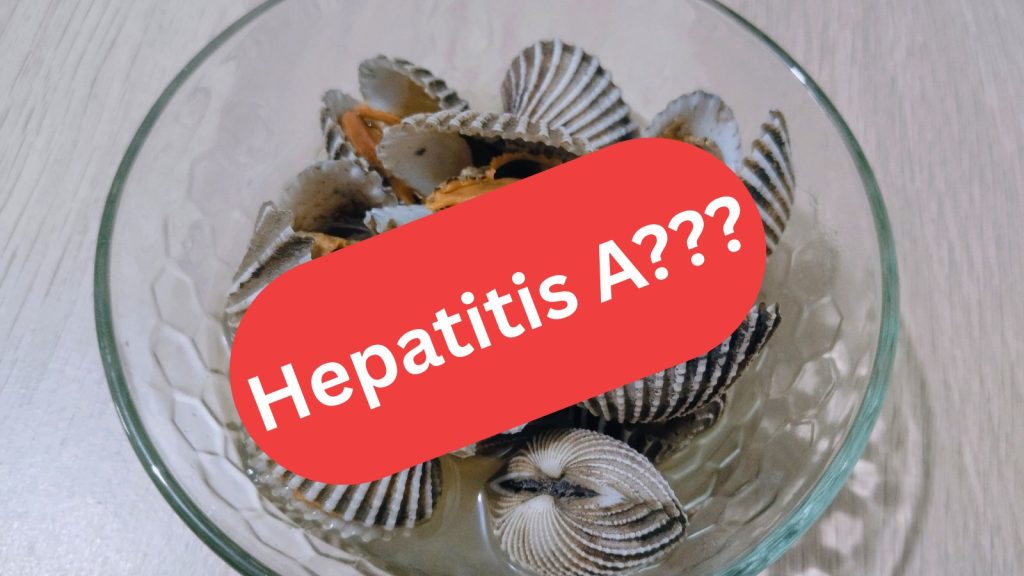
Hepatitis A in blood clams?! That is what the New York City Department of Health is looking in to!
A recent press release indicated that New York is conducting a hepatitis A outbreak cluster investigation which has linked cases to fresh-frozen blood clams (Concha Negra) from Ecuador.
Who has become sick? Why do investigators believe blood clams from Ecuador are responsible and how do you identify them? How do you know if you have hepatitis A and what should you do if you were exposed?
It is not clear how many cases are involved in this hepatitis A outbreak. However, the New York City Department of Health indicates that patients reported illnesses between August 2025 and February 2026.
Investigators believe blood clams from Ecuador are responsible for these illnesses because patient interviews indicate that they consumed clam ceviche from fresh and frozen raw blood clams.
According to the press release, the New York dealer has contact all of the appropriate buyers and recalled the products distributed within New York. Shellfish authorities continue to be on the lookout for these recalled packaged of blood clams.
Health authorities are concerned that these shellfish may still be in consumers’ freezers. Leaving people vulnerable to additional infection.
These blood clams also go by the names black clams, black conch meat, and Concha Negra.
Recalled fresh-frozen blook clams were shipped to a New York dealer from a New Jersey dealer/importer. From there, they were distributed within the state of New York.
Product labels include the following information:
La Serranita
Concha Negra
Shell Meat
Fresh Frozen
Net Weight 16 oz (454 g)
Unfortunately, you may not know you have hepatitis A for several weeks after you or initially exposed.
To make matters even more confusing, adults and children often experience a different set of symptoms.
Common symptoms in adults may include:
Symptoms in young children, on the other hand, are very different.
Oftentimes, children show no symptoms at all. In fact, studies have shown that around 70% of children younger than six years of age are asymptomatic. In contrast, around 70% of older children and adults experience jaundice and/or other symptoms associated with hepatitis A virus infection.
If symptoms do develop, they often appear around two to seven weeks after exposure.
These symptoms often resolve within two months. Although some people continue to feel sick and experience complications for as long as six months. Sometimes longer.
Unfortunately, there is no treatment for hepatitis A. Infection is managed by treating symptoms, hydration, and monitoring the liver.
However, infection can be prevented.
Proper handwashing is your best bet in preventing hepatitis A infection if you have not been vaccinated. This reduces the risk of exposure if you touch something contaminated prior to eating.
Raw shellfish have been associated with many hepatitis A exposure events and outbreaks. Never consume raw shellfish like oysters or clams.
Just because you have had hepatitis A before, does not mean you are immune. Unlike some viruses, like chicken pox, a prior hepatitis A infection does not provide immunity in this case.
Fortunately, you can use the hepatitis A vaccine as a sort of prophylaxis. This is because a hepatitis A vaccine administered AFTER exposure can still provide some protection. Within a certain time frame, that is.
If a hepatitis A vaccine is administered promptly (a minimum of two weeks after exposure), there is a significant chance that the exposed person will not become sick.
To help this process stick even better, certain groups of people may also be given a type of immunoglobulin along with the vaccine. This is usually co-administered in those at higher risk for infection or more severe illness.
Talk to your healthcare provider about immunoglobulin WITH hepatitis A vaccine if you are:
Post exposure hepatitis A vaccination is very effective. In fact, more than 95% of adults and 97% of children develop protective antibodies within four weeks of a single dose.
A typical hepatitis A vaccine protocol also includes an additional dose six months later.
If you receive the first dose of hepatitis A vaccine, be sure to follow up with the booster to ensure long-term protection.
Have you consumed impacted blood clams and worried about Hepatitis A exposure? There are a few things you can do to help your situation.
If you may be impacted by hepatitis A in blood clams, you should monitor yourself for the symptoms indicated above. Seek medical attention immediately if you begin experiencing symptoms.
If you are infected, wash your hands regularly and do not prepare food for others.
If you are not already vaccinated for hepatitis A, now is the time to get it. Within 14 days of exposure, this vaccine can actually help prevent infection.
If you become sick, you may need to prove that you were infected from hepatitis A in blood clams. Receipts prove that you purchased the impacted raw blood clams or ordered the dish from a restaurant. A detail that strengthens your case, should you choose to pursue one.
An experienced hepatitis A exposure lawyer can help answer questions you may have about your situation.
If you were exposed to hepatitis A in blood clams, you may have a legal case.
Contact the experienced Hepatitis A Lawyers at The Lange Law Firm. They have helped families with situations just like yours navigate the legal process and receive the justice they deserve.
The Lange Law Firm offers free consultations and can help you explore your legal rights. Reach out for your free consultation by phone at (833) 330-3663 or click here to email.
By: Heather Van Tassell (contributing writer, non-lawyer)