
Protecting families from contaminated food and water
All fields are required
Protecting families from contaminated food and water
Posted in Food Safety,Our Blog on April 22, 2026
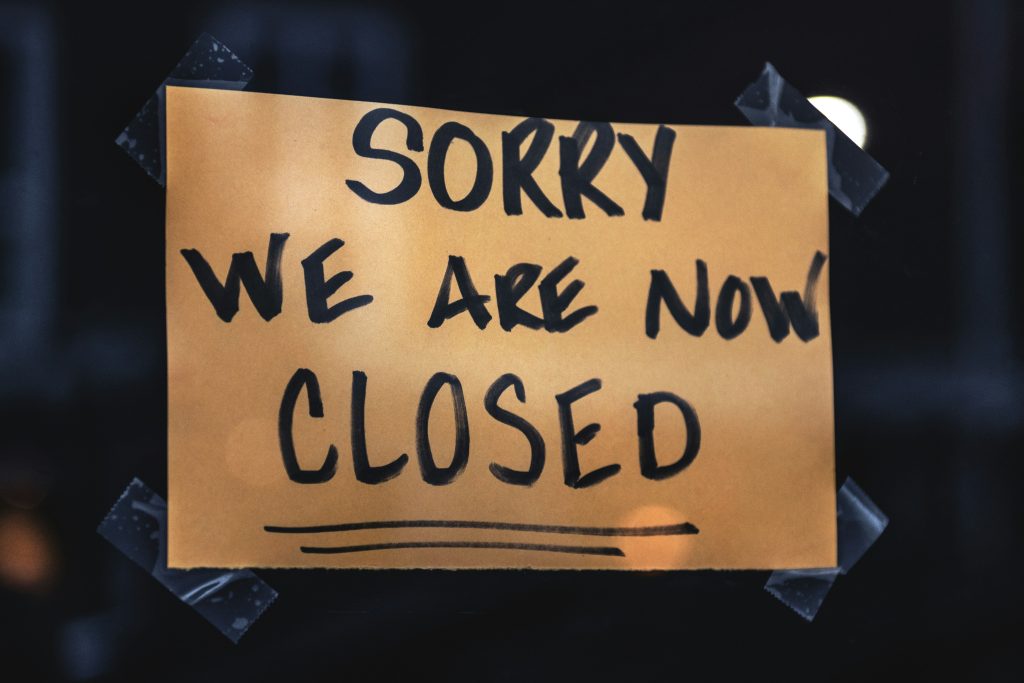
There are a few common reasons restaurants are shut down. However, the move is not taken lightly. Every hour a restaurant is closed money is lost, ratings are impacted, people are out of work, and so many other impacts.
However, food safety and consumer protection are held at a higher priority.
Occasionally, something serious happens at a restaurant that requires a food safety or public health inspector to do more than warn or reeducate. Sometimes serious intervention is necessary to ensure people do not get sick.
So, what are the common reasons restaurants are shut down?
Another important, but likely less common reason for a food establishment to be shut down is inadequate handwashing facilities.
Most of the time a quick hand soap or towel restock puts the handwashing facility back into operation. However, if the problem is bigger, it may be a reason for the restaurant to be shut down. A plumbing problem, remodel, or major obstruction could warrant such action.
Without adequate handwashing facilities, the restaurant will be forced to close.
Problems with temperature control rank high on the common reasons restaurants are shut down. Hot foods must be kept hot. Cold foods must be kept cold. The “danger zone” in between (40 °F to 140 °F) are time sensitive.
If refrigerators, freezers, or hot trays malfunction and cannot hold the required temperature, all food contained within it must be discarded and the equipment cleaned. Until the problem is resolved and new ingredients are acquired, the local health department can shut down the restaurant.
One less common, but still valid of the common reasons restaurants are shut down involves where food is prepared.
Food must be prepared in authorized areas. This may vary from jurisdiction to jurisdiction. For example, some states have cottage laws that protect certain food types from requiring a commercial space. But even those who do prepare in commercial spaces, if unauthorized exceptions are made, it could be a reason for the restaurant to be shut down.
For example, if part of a dish is prepared in a home kitchen and transported to the restaurant to be used, this could constitute a reason for the restaurant to be shut down. If some of the food preparation takes place in unauthorized areas, like outside, in a basement, or in a room next door at a location that has not been inspected, the health authority may exercise the right to shut down the restaurant.
While this happens more frequently in mobile food businesses, another one of the common reasons restaurants are shut down is operating without a permit.
A permit is more than a notice to the local health authority. It generally involves an initial inspection and regular follow-up inspections to ensure that appropriate food safety facilities are present and food safety guidelines are being followed. Otherwise, the restaurant is no different than a food business operating out of a home. Which, for most jurisdictions, has major limitations.
Another common reason restaurants are shut down involve utility interruption. If the power is out or water is shut down (even temporarily), the restaurant cannot operate. Normal procedures would mandate the restaurant to temporarily close on their own. However, in some cases, restaurants have been known to attempt to remain operational.
If a local health authority discovers this, the jurisdiction can exercise their authority and require the restaurant to shut down for safety reasons.
Inadequate light, improper water temperature, and many other food safety factors can be perpetuated with interruptions in utilities.
In some cases, an unfortunate sewage or wastewater backup occurs in the kitchen or bathroom. This may involve problems outside of the restaurant’s control. Even so, it poses a serious health and safety risk.
Sewage and wastewater carry human pathogens. If they make it into the food, people can get very sick! In these cases, the restaurant is required to shut down, wait for the problem to resolve before preparing food, and thoroughly clean and sanitize the facility.
Another of the more common reasons restaurants are shut down involve vermin or pest infestation. Rodents, cockroaches, flies, and other pests spread disease. They can contaminate food, food contact surfaces, and equipment.
Local food safety programs generally have protocols for pest control management. Whether that be scheduled pest control, observations, or preventative measures, restaurants should have some sort of pest control plan to protect themselves and their patrons.
One of the most common reasons restaurants are shut down involves a foodborne illness outbreak and evidence of ongoing risk. Often involving one or more of the previously mentioned common reasons restaurants are shut down.
When a foodborne illness outbreak is linked to a restaurant, it generally prompts an inspection. It may not be time for the restaurant’s scheduled inspection, but one may happen anyway.
If, during the inspection, investigators discover violations that may have contributed to the illnesses linked to the restaurant, and that problem cannot be immediately resolved, the local authorities may choose to shut down the restaurant until it can be.
If contamination that may have spread throughout the kitchen is suspected, it may not be allowed to reopen until thorough cleaning and decontamination takes place.
Did the types of reasons restaurants are shut down surprise you? Has one of your favorite restaurants fallen victim to any of these?
Did I miss any?
If you’d like to know more about food safety topics in the news, like “Common Reasons Restaurants Are Shut Down,” check out the Make Food Safe Blog. We regularly update trending topics, foodborne infections in the news, recalls, and more! Stay tuned for quality information to help keep your family safe, while The Lange Law Firm, PLLC strives to Make Food Safe!
By: Heather Van Tassell (contributing writer, non-lawyer)