
Protecting families from contaminated food and water
All fields are required
Protecting families from contaminated food and water
Posted in Norovirus,Our Blog,Outbreaks & Recalls on April 21, 2026
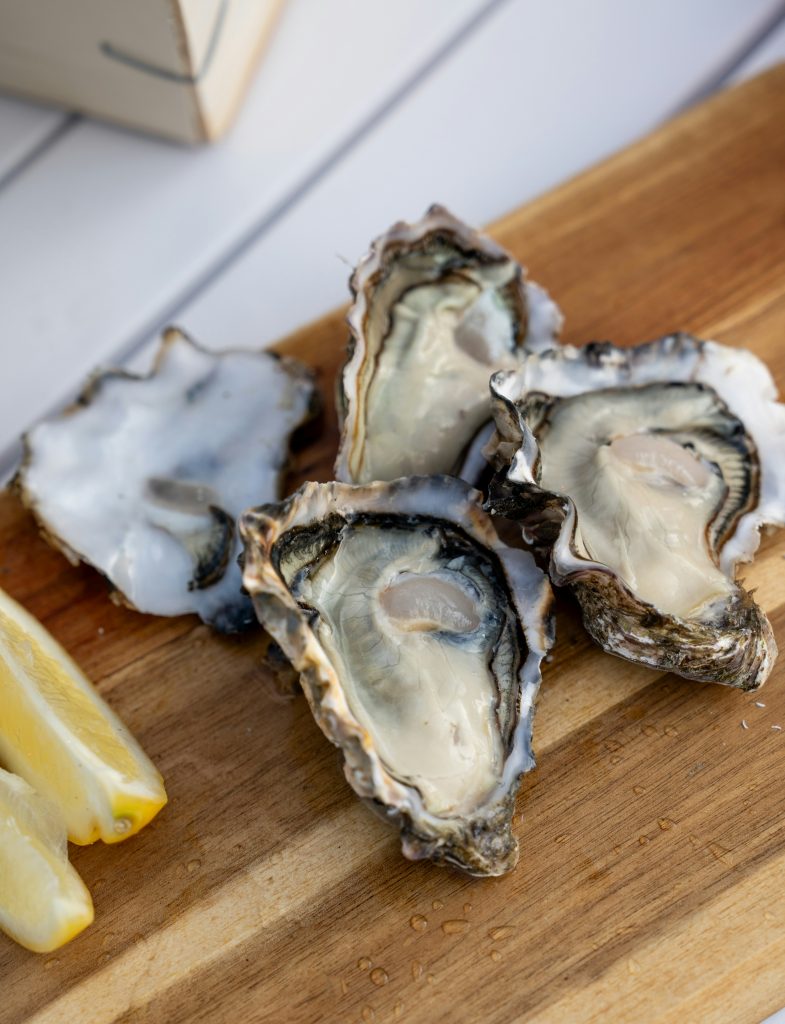
Reports of norovirus in Washington Oysters prompts an Advisory and Washington state-originating recall for four states. Certain oysters collected from a harvest area in Hammersley Inlet, Washington have been associated with illnesses.
What oysters are involved in this recall? What do we know about the outbreak? Why are oysters often linked to norovirus and other foodborne illnesses?
Here’s what we know so far about recent evidence of norovirus in Washington oysters.
The Washington State Department of Health issued their own recall on April 10, 2026 for certain shellfish shellstock harvested in their jurisdiction. This information was forwarded to the U.S. Food and Drug Administration (FDA) following “norovirus-like illnesses associated with consumption of raw oysters.”
The Washinton State investigation named “all species of shellstock from Gomez Shellfish, LLC (WA-1724-SS) as the producer. This recall involves products harvested between March 22, 2026 and April 9, 2026 from a portion of Hammersley Inlet, Washington.
Affected product was distributed to the states of California, Oregon, Texas, and Washington. However, potentially contaminated Washington oysters may have been further distributed.
Consumers, restaurants, and retailers are advised to not serve, sell, or eat recalled shellfish.
After receiving this notification, the FDA issued their own Advisory on April 17, 2026. This Advisory may reach a wider audience. After all, you are reading this right now. So, mission accomplished!
In the meantime, the agency is monitoring the investigation and providing assistance to state authorities as needed.
For now, there is not a lot of information, In fact, the Advisory indicates that Washington State has received reports of “norovirus-like illnesses.” Which is an indication of epidemiological evidence consistent with norovirus symptoms with a common link to the associated Washington-harvested oysters.
This often happens when patients either do not experience serious enough illness to warrant medical intervention, or the patient waits too long to seek medical treatment. In some cases, the virus passes through the patient’s system before a sample can be obtained.
Without a sample, a “confirmed diagnosis” is impossible.
For now, we know that enough people got sick to get on the Washington State Department of Health radar and a link to oysters harvested in the suspected area was strong enough to warrant a recall and FDA Advisory.
There are a few reasons oysters are commonly linked to norovirus and other foodborne illnesses like Hepatitis A, Vibrio, and others.
Despite the huge risk yelled at the top of food safety experts’ lungs, oysters are commonly consumed raw. While colloquial myth says that adding lemon juice (the acid kills germs), drinking with alcohol (alcohol kills germs), or certain months of the year renders these bivalves safe to consume without cooking them first, it can’t be further than the truth.
The only way to kill these pathogens is to heat them to a sufficient temperature to neutralize them. This can be done by baking, steaming, boiling, or any other heat treatment method. According to the United State Department of Agriculture (USDA), this safe minimum internal temperature (as measured in the thickest part of the meat with an instant read food thermometer) is 145 °F.
Another factor that makes oysters risky involves how they eat. Oysters are filter feeders.
They consume food by pulling water into their bodies, filtering what they eat, and release the rest back into the water. All day. Every day.
A single mature oyster can filter up to 50 gallons of water a day!
In fact, a whole industry often takes advantage of this action. Some water remediation companies even put oysters to work in applications that clean up polluted areas. This is because they are even more effective than some industrial processes commonly used for the purpose.
It is this function, however, that contributes to the risk of norovirus (along with other pathogen contamination).
You see, in addition to the food they consume, they also hold onto potential germs floating in the water.
When the water they live in is contaminated with sewage or other contaminants, you have a big problem. Albeit an invisible one.
The oyster doesn’t get sick. They don’t even look sick. There is no visual evidence of this contamination. So it is impossible to distinguish between those that are contaminated and those that are not.
Only specialized laboratory tests performed on fecal samples can accurately diagnose norovirus. You can infer diagnosis if you have the same symptoms and similar food experiences to someone who has already been diagnosed.
Most people begin feeling symptoms within 12 to 48 hours of exposure.
Common symptoms of norovirus infection include:
Most people recover within one to three days. You are most contagious and likely to transmit your illness to others while you are feeling sick through the first few days of feeling better.
There is no medical treatment protocol for norovirus. Antibiotics are not effective against this type of infection, so your best course of action is to hydrate and rest until symptoms subside.
Vomiting and diarrhea multiple times a day can lead to dehydration – a dangerous complication.
Especially in young children, older adults, and those with other existing illnesses.
Dehydration symptoms may include:
Contact your healthcare provider if you or someone you are caring for becomes severely dehydrated.
Consumers ordering food at a restaurant should only select oyster dishes where the shellfish is cooked. Baked, steamed, fried, or grilled to name a few. Ordering and consuming raw oysters is risky. Especially if you fall into the higher risk group.
If you have oysters in your refrigerator or freezer, you should check the shellstock tag. The harvester and the harvest date should be clearly indicated. Ensure your oysters are not part of this recall/Advisory. If they are, take extra precautions to segregate them and clearly label them so that they will not be consumed. Clean the area with sufficient sanitizer to prevent spreading the dangerous germ associated with this recall. Do not eat, cook, or serve them to others.
If you did consume these recalled oysters and became sick, it is a good idea to get advice from a norovirus lawyer. A norovirus lawyer can help answer your questions, point you in the direction of resources, and represent you if needed.
If you have been seriously impacted by your norovirus illness from oysters harvested in Washington, you may have a legal case.
The Lange Law Firm, PLLC has a norovirus lawyer to help you navigate the legal process.
The Lange Law Firm, PLLC has recovered millions of dollars in food contamination and product liability suits to help cover medical expenses, missed work, and other burdens associated with foodborne illness.
Call (833) 330-3663 or submit your information on the online submission form for a free, no obligation consultation to go over the details of your situation.
By: Heather Van Tassell (contributing writer, non-lawyer)