
Protecting families from contaminated food and water
All fields are required
Protecting families from contaminated food and water
Posted in cryptosporidium,Our Blog,Outbreaks & Recalls on April 27, 2026
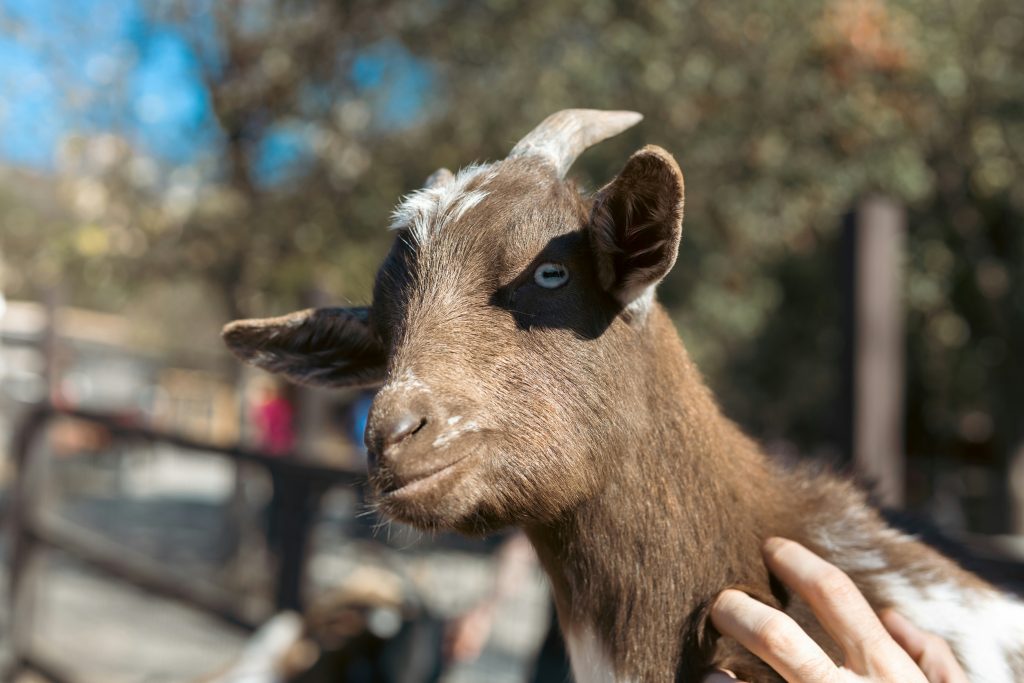
The Rusty Buckle Petting Zoo has been linked to a Cryptosporidium outbreak after contact with goats at the facility. Several people have fallen ill, animals have been quarantined, and families are looking for answers.
Here’s what we know so far about the Cryptosporidium outbreak linked to Rusty Buckle Petting Zoo goats.
The Rhode Island Department of Environmental Management and Rhode Island Department of Health issued a press release on Friday announcing an animal quarantine order for several animals kept at the Rusty Buckle Petting Zoo, which is located at 138 Tourtellot Hill Road in Chepachet, Rhode Island.
The two agencies are currently investigating the connection between sick individuals and the petting zoo.
So far there are three confirmed and three probable cases of cryptosporidiosis (the illness associated with a Cryptosporidium infection). Each of the six reported contact with goats at the Rusty Buckle Petting Zoo.
Following the connection and evaluation of the risks and the animals, State Veterinarian Scott Marshall, DVM issued a quarantine for all ruminant animals at the facility. This includes the goats in question.
Until the quarantine is lifted, these animals must be kept away from the public with no physical contact with visitors until the quarantine order is lifted.
Dr. Marshall explains that petting zoos can be risky. Certain common sense practices like “ensuring only healthy animals are allowed public contact, keeping animals in a sanitary environment, and providing hand-washing stations” are necessary to reduce those risks.
Additionally, patrons should use those stations and avoid eating or drinking where animals are kept. In fact, many states have mandated requirements of signage explaining the risks and requesting patrons to wash their hands as well are prohibiting food and drink in and around animal enclosures.
It is unclear whether Rusty Buckle Petting Zoo had such signage or policies.
Cryptosporidium is a microscopic parasite responsible for the diarrheal disease known as cryptosporidiosis. This hardy parasite lives in the intestines of infected humans and animals.
What makes it so hardy is its protective outer shell. A spore-like covering known as an oocyte. This oocyte can live for long periods of time outside of the body.
It can even survive chlorine disinfection!
After it leaves its human or animal host, it can contaminate soil, water, food, or surfaces which have come into contact with infected feces.
Cryptosporidiosis is very contagious! It doesn’t take much of the parasite to make someone sick. This is because millions of parasites are released in a single bowel movement, it survives outside of the body, and resists decontamination efforts.
While water (both drinking and recreational) are common methods Cryptosporidium infections spread, livestock animals and livestock attractions are pretty high on the list.
Livestock animals generally just “go” where and when they need to.
They aren’t shy about it.
Even with regular cleaning, petting zoos and livestock exhibits are going to have poop around. If that poop happens to be contaminated, there is a high chance of spreading the illness to those enjoying the exhibit.
People often get infected by eating or drinking after contact with trace amounts of infected poop. You can even become infected by touching something that is contaminated with the parasite and then touching your mouth or area around your mouth.
Everyone is vulnerable to illness when exposed to Cryptosporidium contamination. Though certain groups of people may develop serious and sometimes fatal complications associated with this infection. Generally, these are people with weakened immune systems and other related conditions.
This includes:
In some cases, certain people with a Cryptosporidium infection have no symptoms at all. They may still shed the parasite and have the potential to infect others. Even without these symptoms.
When symptomatic, the most common symptom associated with Cryptosporidium infection is watery diarrhea. This symptom is what generally prompts healthcare providers to test for the parasite.
Other symptoms include:
Most people begin to feel sick between 2 and 10 days after exposure with an average of about 7 days in most cases. These symptoms often persist for about 1 to 2 weeks, though they may last for 4 or more weeks.
Occasionally people will experience several symptom relapses. They will begin to feel better, and symptoms resolve. Only for them to return and leave again over a few cycles. This can persist for months.
In cases of immunocompromised patients, a Cryptosporidium infection can leave the small intestine and digestive tract completely. Affecting other parts of the body. Including the respiratory tract.
Fortunately, most individuals experience a self-limited illness, recovering fully within two weeks without medical treatment.
For those with a weakened immune system, “heighted clinical attention” may be necessary due to the “risk of severe, prolonged, or life-threatening disease.” These individuals may require aggressive therapeutic intervention, supportive care, and medication like Nitazoxanide and fluid/electrolyte replacement. Early diagnosis is critical for these patients.
The Rhode Island Department of Environmental Management and Rhode Island Department of Health urge visitors to the Rusty Buckle Petting Zoo to monitor themselves for symptoms. Those who visited the petting zoo within the last month should contact their healthcare provider, should symptoms develop.
If your child has become sick after visiting the Rusty Buckle Petting Zoo, there are a few things you can do to help yourself and others during this situation.
Even if your illness is mild, reporting your illness to your local health department can help others. The more information the department has, the more likely interventions can take place to prevent further illnesses.
If your child has become seriously ill from a splash pad outbreak, you will want to get legal advice. An experienced Cryptosporidium Lawyer will know how to handle your situation properly and ask all the right questions as well as answer yours.
If you wish to make a legal claim involving this Rusty Buckle Petting Zoo outbreak The Lange Law Firm, PLLC can help!
Call (833) 330-3663 or send an email for your free, no obligation consultation to go over the details of your situation. Don’t wait. Call today!
By: Heather Van Tassell (contributing writer, non-lawyer)