
Protecting families from contaminated food and water
All fields are required
Protecting families from contaminated food and water
Posted in Food Safety,Our Blog on June 14, 2026
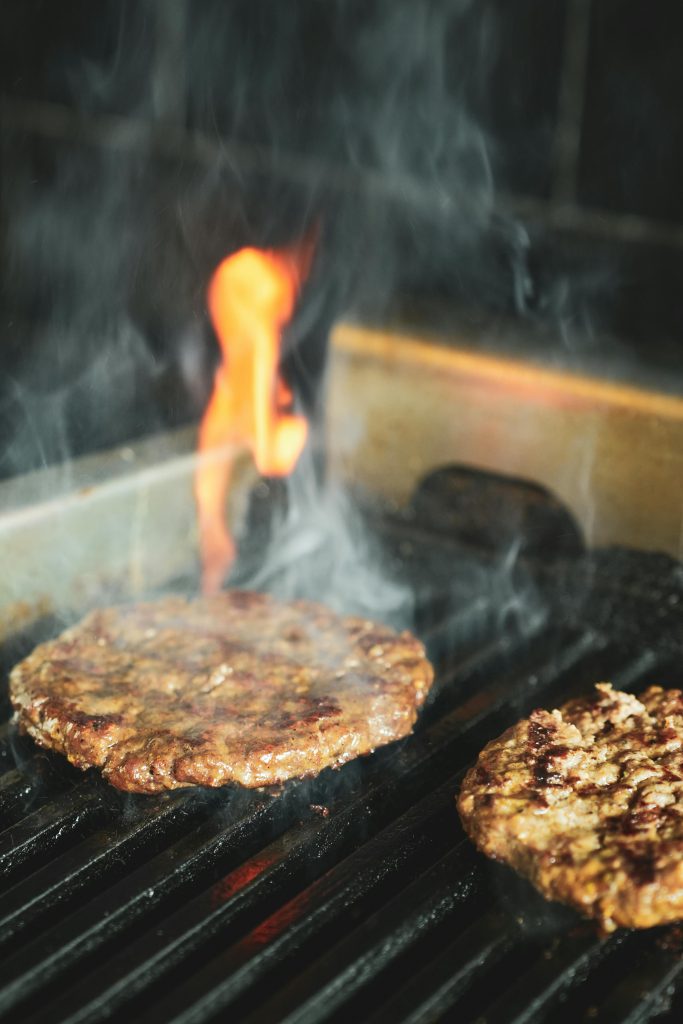
Summer and Fall are my two favorite times of the year, not just because of the weather but because we can be outside, enjoy the evening air and of course cook and eat delicious food outside. I am a firm believer that some foods just taste better when being eaten outdoors. The most important part of cooking and eating outdoors is food safety so today we take a look at some things to keep you and your family and friends safe.
If you do not have access to a running water source a water bottle with a little soap and paper towels will do. There are also many options with disposable hand washing towelettes and even sanitizer. Just be sure to rub those or wipe your hands dry as you don’t want any residual soap or sanitizer on your food.
While it may be easier to combine everything together in one container before heading outdoors, it is so important to keep your meats and vegetables separate.
Also an important thing to remember is that your utensils can’t used on raw and cooked items at the same time due to cross contamination.
Food should not be left out for more than two hours (one hour if the outdoor temperature is over 90 degrees). These foods should be put into a cooler with ice or ice packs and not left in direct sunlight. I often bring a towel to wrap the cooler in to hold as much of that cold air as possible.
Another cooler tip is to keep the cooler closed as much as possible. This preserves the ice or ice packs and allows the coolness to stay inside. We being a separate cooler for drinks to eliminate the need for the food cooler being opened and closed as much.
Make sure your cooler temperature is around 40 degrees.
Keep your cooler inside of a vehicle while traveling so that the hot outdoor air doesn’t raise the cooler temperature. The inside of a car will be way cooler than the outside air usually.
Clean: Scrub the grill clean before use. Clean utensils and plates before they touch food. Wash your hands before and after handling raw meat and poultry. Follow proper handwashing steps to stop bacteria from spreading from your hands to your meal. Make sure to wet hands, lather with soap, scrub for 20 seconds, rinse and dry.
Separate: Avoid cross contamination. Separate raw meat and vegetables by using different cutting boards. Place raw meat or poultry on one plate and cooked meat and poultry on another. Don’t use the same utensils to place raw meat and poultry on the grill and take cooked food off.
Cook: Use food thermometers to ensure your grilled food is ready. Insert the thermometer through the side of the patty until the probe reaches the center. Color is never a reliable indicator of doneness. Cook food to a safe minimum internal temperature by using a food thermometer:
Although frozen products may appear to be pre-cooked or browned, treat them as raw food and cook thoroughly. Products labeled as “Cook and Serve,” “Ready to Cook” and “Oven Ready” must be cooked.
Chill: Bacteria multiply rapidly between 40 F and 140 F — aka the Danger Zone. Perishable food should be consumed or refrigerated within two hours (one hour if outdoor temperatures are 90 F and above).
For more food safety tips please follow Make Food Safe.