
Protecting families from contaminated food and water
All fields are required
Protecting families from contaminated food and water
Posted in Our Blog,Outbreaks & Recalls,Salmonella on May 5, 2026
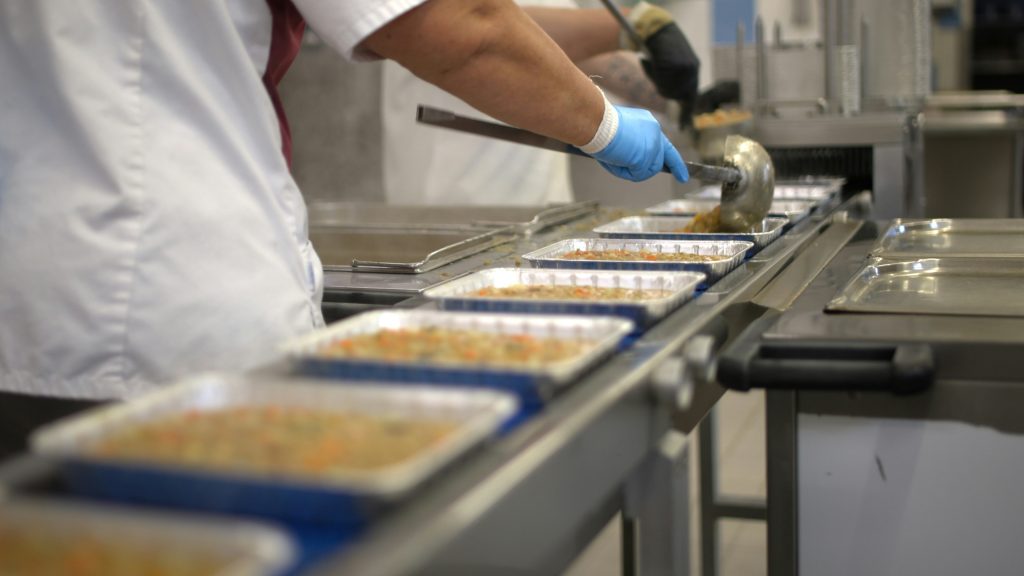
State and County Health officials are investigating a Salmonella outbreak at St. Joseph County Jail in Indiana. Food poisoning is suspected. Records indicate a recent Jail kitchen inspection.
How many people are sick? What could have caused this Salmonella outbreak?
Here’s what we know so far about the Salmonella outbreak at St. Joseph County Jail!
St. Joseph County Jail medical staff began receiving reports of food poisoning symptoms on April 29, 2026. Symptoms included diarrhea, dehydration, and fever. So far, at least 23 inmates have been treated. The medical team concluded the source of the symptoms was foodborne Salmonella poisoning.
Fortunately, most of the illnesses have run their course, with most inmates experiencing a full recovery. However, a few continue to be treated.
Following reports of the Salmonella outbreak at St. Joseph County Jail, County and State Health Departments conducted an investigation to help determine the cause of the food poisoning. Samples were taken at the facility. However, the results have not yet returned.
For now, the specific source has not yet been determined.
After reviewing records, the Sheriff indicated that the Jail Kitchen passed inspection just days earlier on April 25, 2026.
Only two minor, non-critical violations were observed at the time. Standing water on the floor near a dish machine and mold found on wire racks in a walk-in cooler. Both were corrected immediately.
Jail staff is working with their food service provider to help find the source of the outbreak while County and State Health Departments continue the investigation on their end.
Salmonella is a type of bacteria. A microscopic germ that can cause anywhere from mild to severe illness.
Common symptoms include:
Most people experience symptoms in as little as six hours and up to six days after exposure. In some cases, illness onset could be much longer.
Severity and length of illness often varies from person to person. However, most people experience mild illness that passes quickly. Others, on the other hand, may experience severe illness lasting weeks or even months after initial symptoms.
Most people feel better within a week (four to seven days).
Without a known food source, it is possible the outbreak may continue. While it is unlikely the menu has changed in response to this Salmonella outbreak at St. Joseph County Jail, food service operations may be paying closer attention to temperature control, fully cooking high risk foods, and other food safety measures.
The issue could come from cross-contamination or even a contaminated ingredient entering the Jail Kitchen. Based on certain risk factors and previous outbreaks, some foods are more likely to be the source than others.
What types of food are we talking about?
Which came first? Eggs or Salmonella? A question not quite as old as the chicken and egg query. But I am sure you have heard that connection before. Raw or undercooked eggs are a common source of Salmonella illness.
Eggs are often contaminated before the shell is formed around the white and yolk. Making them a higher risk food to consume raw or undercooked. Eggs should always be fully cooked. In recipes where raw eggs are necessary (like homemade mayonnaise or hollandaise sauce), pasteurized eggs should be sourced.
Salmonella and chicken are also commonly associated. But chicken isn’t the only raw meat associated with Salmonella though. Other raw meats are vulnerable to this germ too!
How does it happen?
Raw meat and poultry can become contaminated with fecal matter during the butchering process, leading to gross contamination. But seafood is vulnerable as well. Especially if it harvested from contaminated water.
Unpasteurized (raw) milk and milk products (like cheese, butter, and sour cream) may be contaminated with Salmonella. Milk can become contaminated in the same way meat does.
Cross contamination with fecal matter.
Even trace amounts of fecal matter can contaminate a batch of milk.
Unpasteurized dairy products have not undergone a heat treatment process designed to kill those harmful germs. Leaving consumers vulnerable to Salmonella infections. Campylobacter, E. coli, and Listeria are also causes for concern with unpasteurized dairy products.
Pasteurized dairy products reduce that risk.
We are always told to eat our fruits and veggies. But even these healthy foods can be contaminated with Salmonella bacteria.
But how does that happen?
In some cases, fruits and vegetables are irrigated with contaminated water. This can happen when surface water is contaminated prior to use or wastewater is not sufficiently treated to kill harmful pathogens.
If not contaminated in the field, fruits and vegetables can also be contaminated at any point in the supply chain. Or even once you get them in your possession. Cross contamination from meat or other foods that could contain Salmonella could lead to contaminated fruits and vegetables.
This is especially concerning when these foods are eaten raw.
Hygiene is especially important when trying to contain a food poisoning outbreak. Once someone consumes contaminated food, they can spread the illness further.
Like most foodborne illnesses, Salmonella is spread through what is called fecal-oral route. Even trace amounts of fecal material left on hands after insufficient hand washing may spread the illness to others.
By its very nature, prisons have been known to spread certain illnesses like norovirus, hepatitis A, and tuberculosis due to close living quarters.
We may hear of additional cases before this outbreak comes to a close.
If you or a loved one has been seriously impacted by this Salmonella outbreak at St. Jospeh County Jail, it is a good idea to get advice from a Salmonella lawyer.
The Lange Law Firm, PLLC can help!
Reach out by calling (833) 330-3663 or send us an email for a free, no obligation consultation. A member of our compassionate team will go over the details of your situation with you to help determine if you have a legal case.
By: Heather Van Tassell (contributing writer, non-lawyer)