
Protecting families from contaminated food and water
All fields are required
Protecting families from contaminated food and water
Posted in Our Blog,Outbreaks & Recalls,Salmonella on May 5, 2026
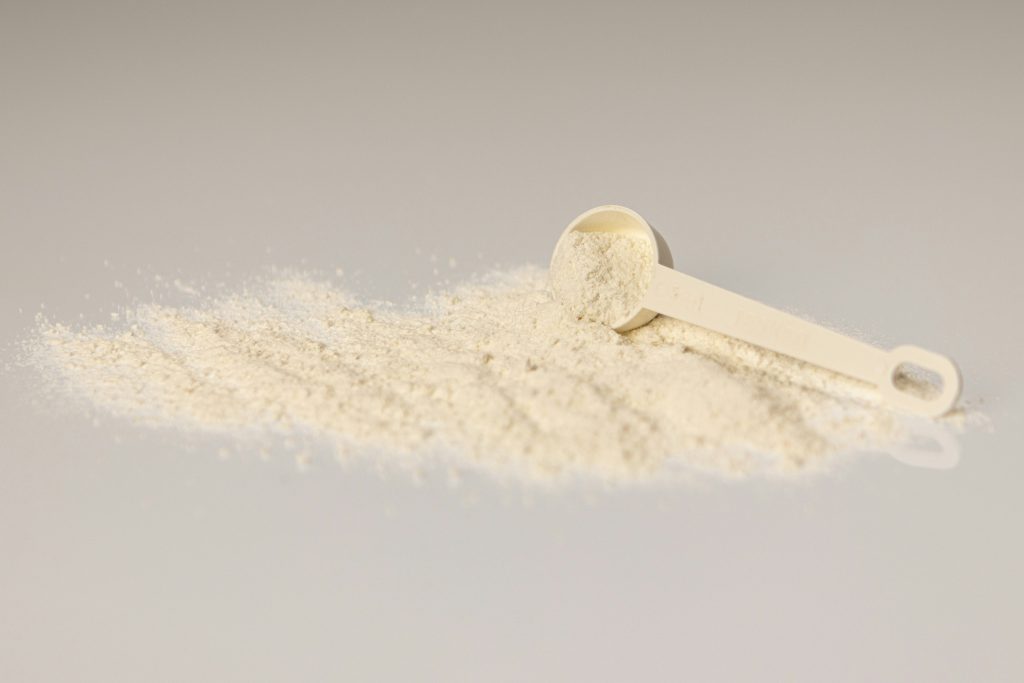
A single supplier milk powder recall has created a long string of additional product recalls. Each day the list keeps growing. Chocolate powder products, chips, pork rinds, pizza, and more!
The reason for the recall?
Potential Salmonella contamination.
Where do you find recalled product information? Why is the list so long? What is Salmonella and how bad is it? Finally, what should you do if you have recalled product in your home?
Here’s what we know so far about the milk powder recall.
As early as April 27, 2026 the first recall resulting from a manufacturer milk product recall was announced. Certain Ghirardelli Chocolate Company powdered beverage mixes. This recall was announced following notification of a recall from their supplier, California Dairies, Inc.
These products were packaged in large formats and intended or food service and institutional customers. However, they may have also been available to the public through e-commerce platforms.
Recalled products include certain lot code/best by dates of:
But these are not the only products in downline recalls from this ingredient supplier.
Utz Quality Foods, LLC also initiated a product recall in response to the milk powder supplier, California Dairies, Inc notification.
Recalled products include certain lot code/best by dates of:
The FSIS has gathered a current list (as of 5/5/26) of additional product recalls.
Recalled products include certain lot code/best by dates of:
But wait. There’s more!
To ensure the most up-to-date list of products impacted by this milk recall, going directly to the source will be your best bet.
The list of recalled products will likely grow over the next few weeks. For specific recall information involving this milk powder recall, it is a good idea to go to the source.
The United States Department of Agriculture (USDA) recall page and the U.S. Food and Drug Administration (FDA) recall page.
Check back regularly to the Make Food Safe Blog for other information.
You wouldn’t think a single ingredient recall would cause such a long downstream reaction. In most cases, it doesn’t. However, California Dairies, Inc is a large, dried milk producer. They supply bulk product to other food manufacturers who use their product as an ingredient in their own.
For example, milk powder is a predominant ingredient in powdered chocolate beverages. It is used in seasonings, gravy mixes, and so much more!
If you have a recalled product in your home you should discontinue use immediately. Even if you have consumed the product and have not fallen sick.
If you have consumed the product, package it up and clearly label it so no one will consume it. Monitor yourself for symptoms and report your illness if you begin to feel sick.
If you have not consumed the recalled product, dispose of it or return it according to product recall details as necessary.
How do you know if you have a Salmonella infection?
Salmonella is a microscopic germ responsible for salmonellosis illness.
Common symptoms include:
Most people experience symptoms in as little as six hours and up to six days after exposure. In some cases, illness onset could be much longer.
Severity and length of illness often vary from person to person. Most people experience mild illnesses that pass quickly. Others may experience severe illness lasting weeks or even months after initial symptoms.
Most people, however, feel better within a week (four to seven days).
Certain groups of people have conditions or susceptibilities that make them more likely to become sick if exposed and experience more severe symptoms if infected.
Those more vulnerable to Salmonella infection include:
Those more likely to experience sever symptoms include:
While most people do not need medical intervention and are not prescribed antibiotic treatment, those in the higher risk group are more likely to receive treatment.
In some cases, complications may arise from infection.
Most of the time Salmonella bacteria are limited to the intestinal tract. However, in some cases, the bacteria can breach the intestinal wall and enter the bloodstream capillaries and veins found there. When this happens, bacteria may infect the urinary tract, blood, bones, joints, and even the nervous system.
Common Salmonella complications include reactive arthritis, irritable bowel syndrome, and bacteremia that can affect other parts of the body.
Reactive arthritis, a condition affecting the collagen in the joints, eyes, and urethra, is a common complication. This type of infection causes joint pain, irritation of the eyes, and pain during urination. Reactive arthritis symptoms may last for months or even years in some people.
Irritable bowel syndrome is another common complication of Salmonella illness. In some cases, it can take quite some time before bowel habits return to normal.
Bacteremia associated with Salmonella infections can affect many different tissues in the body. Resulting in a variety of infections.
Potential bacteremia infections include:
So far, there have been no report of illness associated with any of these recalled products. However, it is important to note that most cases of foodborne illness go unreported. This is because many people experience mild illness and have no need for medical intervention. Those people are never tested for Salmonella infections and are not included in any outbreak data.
Additionally, it can take several weeks for a sick person to be connected to an ongoing outbreak. Hopefully the milk powder recall was caught in time so that no illnesses occur.
However, if you are someone who is not so lucky and experiences serious illness after consuming recalled product, it is a good idea to get advice from a Salmonella lawyer.
If you have been sickened by a product involved in this milk powder recall, The Lange Law Firm, PLLC has a Salmonella lawyer that can help.
Reach out by calling (833) 330-3663 or send us an email for a free, no obligation consultation. A member of our compassionate team will go over the details of your situation with you to help determine if you have a legal case.
By: Heather Van Tassell (contributing writer, non-lawyer)