
Protecting families from contaminated food and water
All fields are required
Protecting families from contaminated food and water
Posted in Food Safety,Our Blog on June 15, 2026
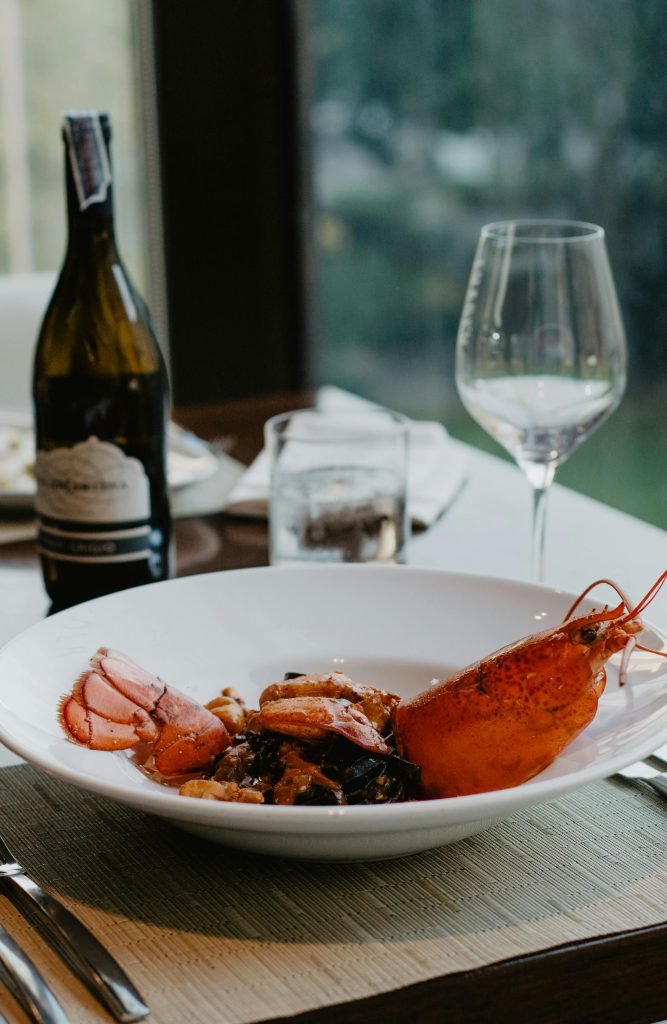
June 15 is National Lobster Day and seafood lovers rejoice as this is one of the best tasting meats that comes from water. While many of us love the flavor and let’s be honest the feeling of being able to eat something so delicious we are often faced with the task of preparing at home to save a little bit of money.
National Lobster Day got its start in 2014 when it was founded by Maine Senators Angus King and Susan Collins with the purpose of promoting this product from the seas. While there are some folks who celebrate this event in mid-June, this date in September seems to be the more common day on the calendar.
In honor of this event, let’s take a further look at some fun tidbits about lobsters. Lobsters can last an awfully long time in the wild – longer than you might think! – if they aren’t scooped up to be made into something tasty.
It’s estimated that they can live up to a massive 50 years, although aging them correctly is a little tough. Of course, this is something of a moot point when it comes to eating them, as your interest is purely in the way they taste.
Lobsters are a big coup for fisherman, and they have specific nets dedicated to trying to capture these creatures. They are omnivores, which means they are quite happy to tuck into plants and other ocean-dwellers alike.
They also tend to munch on their own skin after they molt – waste not, want not! The lobster is a creature revered and respected, and it seems fitting that this creepy looking critter should be celebrated for its gorgeous taste, and the role it plays in fine dining.
Today, lobster is considered a luxury food – served up in soup, rolls, or simply with lashings of warm butter. However, it wasn’t always like this. Once upon a time, lobster was far from a pricey and sought-after foodstuff.
It seems hard to believe it, but there was once a time when lobster was not viewed in the way it is now. In fact, quite the opposite, it was actually seen as something eaten by lower classes. Prior to the mid 19th century, lobster was usually only eaten by servants or those considered to be from within the lower echelons of society.
It was even served up in prisons quite frequently – allegedly, much to the complaints of the prisoners – and in some places, it was even considered to be best used for fish bait or as fertilizer.
Cooking lobster is an art, and if you do not get the timing just right, you might be in for a tough or chewy lobster. Never overcook your lobster. This makes the meat tough and stringy (a huge bummer!). We find that most of the cooking time suggestions found on the internet are way too long.
How big of a lobster pot do you need? The answer is BIG.
Whether you steam or boil, pick a pot with lots of room. Do not crowd the lobsters in the pot, as the heat will not circulate evenly around the lobsters.
If you do not have a large pot, we suggest cooking lobsters in batches or using a couple of pots. If you add the same amount of water in each pot, the lobsters should cook at about the same time. A 4-5 quart soup or pasta pot will work well for a couple of small lobsters. A 19-quart pot will cook about 5 to 6 1- 1/4 lb.. live lobsters. The pot does not have to be heavy-duty because the water will actually boil faster in a lighter gauge metal pot.
Before diving into specific handling practices, it’s critical to understand the potential risks. Both fish and shellfish can harbor harmful bacteria, parasites, and viruses, which may lead to a variety of foodborne illnesses. Common issues include:
Before you even bring fish or shellfish into your kitchen, it’s essential to ensure that you’re purchasing safe products. Follow these guidelines:
Source from Reputable Suppliers: Always buy seafood from trusted sources—those that prioritize quality and safety. Look for suppliers that follow governmental regulations and provide certifications where applicable.
Check for Freshness: When shopping for fish, look for clear, bright eyes and shiny, moist skin. Shellfish, on the other hand, should be alive until cooked; you can check this by tapping them to see if they close up.
Storing seafood at the correct temperature is vital to prevent the growth of harmful bacteria:
Refrigeration: Fish and shellfish should be stored at temperatures below 40°F (4°C). Ideally, fish should be kept on ice in the refrigerator, which can help maintain freshness.
Freezing: If you’re not planning to cook the seafood within a couple of days, freezing is a viable option. Before freezing, wrap the fish or shellfish tightly in plastic wrap or foil to ensure it doesn’t suffer freezer burn.
Use safe methods for thawing frozen fish and shellfish:
Avoid thawing at room temperature, as this can encourage bacterial growth.
Maintaining a high standard of personal hygiene while handling seafood is vital:
Wash Your Hands: Always wash your hands with soap and water for at least 20 seconds before and after handling seafood.
Use Clean Utensils and Surfaces: Ensure that all cutting boards, knives, and surfaces are clean and sanitized before use. Avoid cross-contamination by using separate equipment for seafood and other foods, especially raw meat or poultry.
After cooking, always remember to dispose of any leftover seafood properly:
Consume Within Two Days: Any cooked seafood that isn’t eaten should be refrigerated and consumed within two days to prevent spoilage.
Dispose of Leftovers Cautiously: Be sure to discard any seafood that shows signs of spoilage, such as off smells, slimy textures, or discoloration.
For more fun facts about special food holidays and food safety tips please follow Make Food Safe!