
Protecting families from contaminated food and water
All fields are required
Protecting families from contaminated food and water
Posted in Legionella,Legionnaire's disease,Our Blog,Outbreaks & Recalls on February 2, 2026
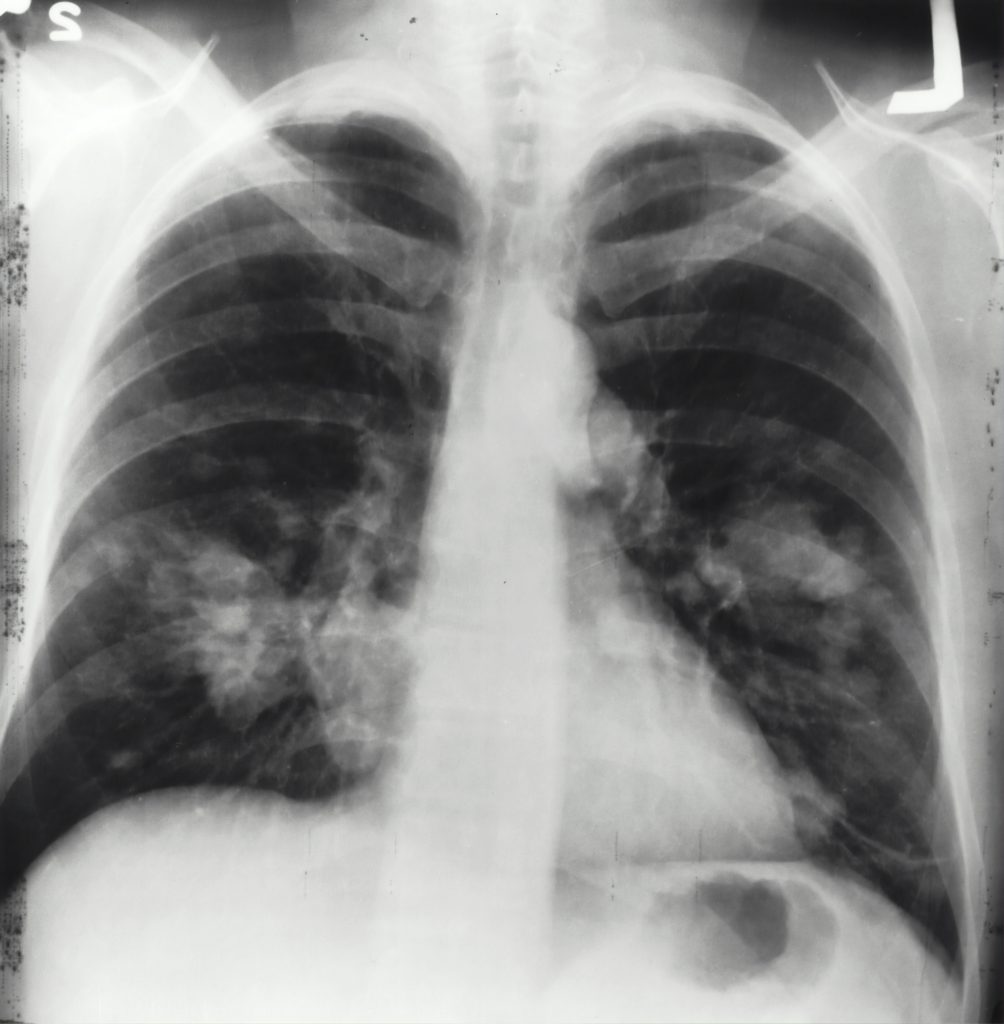
The Vermont Health Department is investigating the Village at Cedar Hill. A long-term care facility located in Windsor. Several patients have been diagnosed with a serious, sometimes fatal lung infection called Legionnaires’ disease. This illness, unlike other contagious respiratory illnesses, is associated with a contaminated water supply.
Here’s what we know so far about the Legionnaires’ disease outbreak at the Village at Cedar Hill!
The Village at Cedar Hill, a facility within the Cedar Hill Continuing Care Community in Windsor, Vermont, is the source of a Vermont Health Department investigation.
6 Cases of Legionnaires’ Disease Associated with the Village at Cedar Hill
At least six cases of Legionnaires’ disease have been linked to the facility, said Laura Ann Nicolai, MPH, Deputy State Epidemiologist in a Health Advisory statement.
In addition to working with Cedar Hill administration staff to monitor the situation, Vermont Health Department is also providing health recommendations.
According to the Alert, “Exposure to Legionella bacteria within the facility may have occurred as recently as January 20, 2025.”
Additional cases may be added as more information becomes available.
Legionnaires’ disease is a serious, but preventable, illness. It is caused by inhaling microscopic Legionella bacteria.
These bacteria are naturally occurring in fresh water sources (lakes, streams, rivers, etc.), it becomes a big problem when they make their way into building water systems. However, in this environment, the concentration of bacteria is often too low to be infectious.
It becomes a problem when a small amount of those bacteria makes their way into human-made water systems.
A really big problem.
If these bacteria are allowed to grow, people can become sick. Some may die. This often happens when these bacteria contaminate a water supply and become suspended in aerosolized water droplets. Something like water mist.
Certain human-made water systems are better suited for growing and spreading harmful Legionella bacteria. But anything that generates a mist or spray can spread bacteria.
Common sources of Legionnaires’ disease include:
In addition to cooling towers and hot water tanks, some of the more uncommon sources can be found in hospitals. Ventilators, humidifiers, and other breathing devices.
Only specialized laboratory tests can accurately diagnose Legionnaires’ disease.
Legionnaires’ disease is often confused with other pneumonia-like illnesses like flu, COVID-19, and others. Many symptoms overlap. Even a chest x-ray isn’t effective at distinguishing between these illnesses.
For this reason, health care providers are instructed to consider Legionnaires’ disease when evaluating patients with pneumonia that have a negative test for COVID-19.
Symptoms to look out for include:
Other Symptoms may include:
Most people begin feeling sick between two and 14 days after exposure. However, it can take longer for symptoms to appear in some cases.
Not everyone who is exposed to Legionella bacteria will become sick. Most normally healthy individuals will not become infected. According to the Center for Disease Control and Prevention (CDC), 1 in 20 people exposed to Legionella bacteria will become sick.
As with most illnesses, those with a weakened immune system are at higher risk of becoming sick. As are current and even former smokers and those with chronic lung conditions. Conditions like Chronic Obstructive Pulmonary Disease (COPD) or emphysema. Those over 50 years of age are also at greater risk of illness after exposure.
Legionnaires’ disease contracted in a hospital setting is especially dangerous. Under normal cirmustances, mortality rate for Legionnaires’ disease is 1 in 10. In a health care setting like this, the risk elevates to 1 in 4.
There are several reasons for this.
First, people being hospitalized are often very sick. A decreased immune system leaves the body more susceptible to any number of illnesses. Including Legionnaires’ disease.
Additionally, breathing equipment can introduce harmful airborne germs directly into the lungs. Aerosolized water from a handwash sink in the room can send Legionella bacteria straight into the breathing systems. Giving the germs a perfect pathway into the lungs.
In addition to investigating water sources, the Vermont Health Department is instructing a “high index of suspicion” for legionellosis among adults presenting pneumonia infections. Both urine antigen and sputum/respirator culture testing is recommended.
If you become sick with pneumonia or flu-like symptoms after visiting or staying at the Village at Cedar Hill, you may have Legionnaires’ disease.
If you have become sick with pneumonia-like illness, seek medical attention immediately.
Legionnaires’ disease can be deadly. Do not wait!
Request a diagnostic test for Legionnaires’ disease. If your healthcare provider does not suggest one, notify them of the potential exposure risk.
If you test positive for this illness, your local health department will be notified following your diagnosis. Someone may contact you about your illness to ask questions that may help narrow down a source.
The Vermont Health Department Health Alert indicates a connection between this Legionnaires’ disease outbreak and the Village at Cedar Hill. However, more information is always welcome in an outbreak investigation.
For this reason, it is a good idea to make a list of the places that you have been in the weeks prior to becoming sick. The earlier that you can make this list, the more complete and accurate it will be. Have it ready in case you are asked for it.
This information is important, in that it could narrow or expand the scope of this Legionnaires’ disease investigation and help prevent further spread of this deadly infection.
If you have become sick from living, working, or visiting the Village at Cedar Hill, you may have questions. An experienced Legionnaires’ disease lawyer understands your situation and can assist you through the complicated legal process.
If you wish to pursue a legal claim for financial compensation to cover medical expenses, lost work, caring for a loved one, or other burdens associated with Legionnaires’ disease illness, The Lange Law Firm, PLLC has a Legionnaires’ disease lawyer that can help.
Legionnaires’ disease is a preventable illness. This type of illness spreads when lapses in required maintenance allow the growth of this harmful microorganism.
Call (833) 330-3663 or send us an email for a free, no-obligation consultation. A member of our compassionate team will go over the details of your case.
By: Heather Van Tassell (contributing writer, non-lawyer)