
Protecting families from contaminated food and water
All fields are required
Protecting families from contaminated food and water
Posted in Our Blog,Outbreaks & Recalls on May 6, 2026
While norovirus is often associated with cruising, the recent hantavirus cruise ship outbreak brings to light another viral risk on the water. Authorities suggest some of those afflicted were exposed on shore, then became sick once reboarding. However, there is evidence to suggest that rare person-to-person transmission is also happening onboard.
Most cruise ship illnesses involve foodborne exposure. Which got me to thinking. Could hantavirus be foodborne?
My interest in all things science and food safety led me to an interesting study conducted by American, Canadian, German, and Japanese Scientists. Their research does, in fact, show evidence of foodborne exposure as a means of hantavirus transmission.
What exactly is hantavirus, how do you get it, and how can you protect yourself?
Here’s what we know so far about the hantavirus cruise ship outbreak and potential foodborne transmission.
Unless you are living under a rock, you have likely heard about a cruise ship sitting in international waters due to a hantavirus outbreak. You may not know the details.
On April 1, 2026, 88 passengers and 59 crew members departed from Ushuaia, Argentina. The ship stopped at multiple island ports across the South Atlantic Ocean and in mainland Antartica.
Just five days into the voyage, a 70-year-old male passenger began feeling sick. Fever, headache, and mild diarrhea. After he began experiencing respiratory distress, he died on April 11, 2026.
At this time, the cause of illness was not yet known.
A few weeks later, on May 2, 2026, a report was sent to the World Health Organization. A cluster of passengers were experiencing severe respiratory illness.
After patient samples were tested, hantavirus was confirmed in some of the cases. As of May 4, 2026 there have been two confirmed cases of hantavirus and five suspected cases.
Three people have died, one is currently critically ill, and three individuals are reporting mild symptoms.
Reports indicate illnesses began between April 6 and April 28, characterized by fever, gastrointestinal symptoms, and rapid progression to pneumonia. Followed by acute respiratory distress syndrome and shock.
The investigation is ongoing.
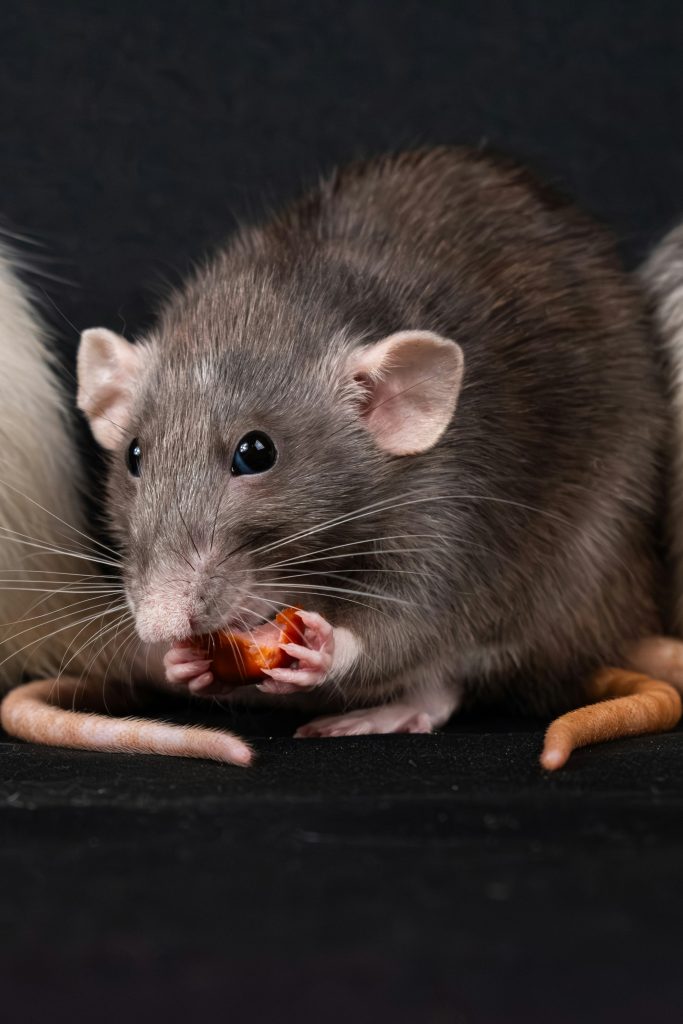
Hantaviruses belong to a family of viruses that are primarily spread by rodents. Think rats, mice, and voles. The illness often causes respiratory or renal disease in humans and is often fatal.
Most of the time, human infection is acquired by contact with urine, feces, or saliva of infected rodents. This happens when humans breathe in dust contaminated with these fluids or touching contaminated surfaces.
While uncommon, human-to-human transmission has been reported in previous outbreaks. As is likely the case in the current hantavirus cruise ship outbreak.
Common symptoms include:
The incubation period is fairly long. Symptoms often appear anywhere from two to four weeks after initial exposure. Sometimes longer.
There is no specific treatment for this illness. Nor is there a vaccine. Early supportive care and ICU observation improves survival in these types of infections.
Rodents are commonly associated with hantavirus. But are there other methods of transmission? With foodborne illness as a huge risk factor on cruise ships, it begs the question. Can hantavirus be spread through foodborne exposure?
Researchers asked that very question. Following up with scientific evidence.
In their paper, Gastrointestinal Tract as Entry Route for Hantavirus Infection, published in frontiers in Microbiology, scientists examined that question. Is the human small intestine susceptible to hantavirus permeability and can the virus survive the gastric juices of our digestive tract?
As it turns out, hantavirus survives gastric juices at pH>3 with infectivity intact. Viral replication was also possible, resulting in loss of intestinal barrier function. Which would allow the virus to enter the bloodstream.
Thus concluding that hantavirus could, in fact, be transmitted through contaminated food. Resulting in a novel transmission for human infection.
However, it is unclear exactly how human transmission occurs. Historical data indicates that when it happens, it often takes place between people with close contact. Family members or couples. More research must be performed to determine how the virus is shed in people.
However, food contamination by way of rodent activity still remains a plausible vehicle for contamination.
Was that how additional passengers got sick?
There is no evidence to suggest the presence of rodents on board the vessel. However, information on the subject has not been made publicly available.
Protecting yourself during a hantavirus cruise ship outbreak is slightly above zombie outbreak in the hierarchy of risk assessments. Not only are these outbreaks fairly rare. They are even more rare on cruise ships.
However, it is always important to be vigilant about health and safety. Additionally, measures taken to protect yourself during a hantavirus cruise ship outbreak can be employed for other potential pathogens. Norovirus, foodborne illness, or others.
This is pretty much the golden rule of protecting yourself from all kinds of germs. Wash your hands before you eat or prepare food. After you use the bathroom or help someone in the bathroom. After you change a diaper. Also, any time you feel like your hands may be dirty or contaminated. Stopping germs from getting into your digestive system via your mouth is a huge step in protecting yourself.
Buffets are fun, casual, and offer great all-you-can-eat selections. However, multiple hands with access to vats of food can be risky. Sneeze guards are only effective if you are tall enough to be above them. These barriers are no help in guarding against exposure to children and shorter adults (including me). Any time you are not in control of the food being prepared, there is a risk. Someone preparing your food could be sick. Your server could be sick. You cannot witness the effectiveness and frequency of their hand hygiene. But access is limited. Making “sit down” dinners less risky than buffets on a cruise ship.
This is one of the lesser-known examples of “if you see something, say something.” If you see someone getting sick, leave the area immediately and report what you saw to a manager or the medical department. The person may need help, and the area needs to be sanitized. If you become sick, report your illness as well. Even if you do not require medical treatment, understanding what is happening among passengers can help the medical team make better decisions.
Hantavirus is not the only germ that can be spread by pests. E. coli, Salmonella, and other germs can be spread by those tiny creatures. Reporting the presence of pests can help prevent a larger problem. Maybe even prevent another hantavirus cruise ship outbreak.
If you’d like to know more about food safety topics in the news, like “Deadly Hantavirus Cruise Ship Outbreak May Have Rare Person-to-Person Transmission. Could Hantavirus be Foodborne?,” check out the Make Food Safe Blog. We regularly update trending topics, foodborne infections in the news, recalls, and more! Stay tuned for quality information to help keep your family safe, while The Lange Law Firm, PLLC strives to Make Food Safe!
By: Heather Van Tassell (contributing writer, non-lawyer)