
Protecting families from contaminated food and water
All fields are required
Protecting families from contaminated food and water
Posted in Our Blog,Outbreaks & Recalls,Salmonella on April 27, 2026
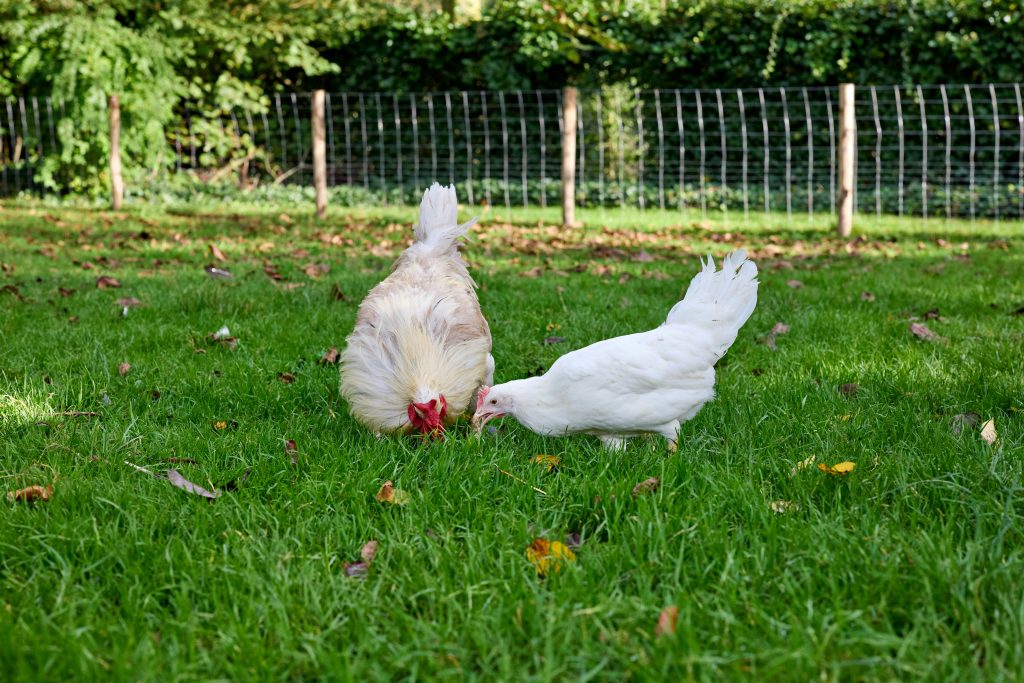
A recent cluster of Salmonella Saintpaul illnesses has been linked to what a 2026 Backyard Poultry Outbreak. Outbreak patients have been diagnosed with the same strain of Salmonella Saintpaul. Epidemiological investigations have connected these illnesses to backyard poultry.
Chicken, ducks, etc.
How many people are sick? How do people get sick from backyard poultry? What can you do to protect yourself?
Here’s what we know so far about the 2026 Backyard Poultry Outbreak.
As of April 23, 2026, the Centers for Disease Control and Prevention (CDC) 34 people have been sickened with the same strain of Salmonella Saintpaul. Of which, 13 required hospitalization. Fortunately, no deaths have been reported in this 2026 Backyard Poultry Outbreak.
Patients have been reported across the United States. Including Florida (1 case), Illinois (1 case), Indiana (3 cases), Kentucky (3 cases), Maine (3 cases), Maryland (2 cases), Michigan (6 cases), Mississippi (1 case), New Hampshire (1 cases), Ohio (5 cases), Tennessee (1 case), Wisconsin (5 cases), and West Virginia (2 cases).
Reports of illness began as early as February 26, 2026. The last case was reported on March 31, 2026. Additional cases are possible, as it can take several weeks between someone falling sick to their sample being connected to an ongoing outbreak like the 2026 Backyard Poultry Outbreak.
Additionally, many cases go unreported because mild Salmonella illnesses generally do not require medical intervention. Therefore, those people are never tested for a Salmonella infection and are unreported. Oftentimes, outbreaks are significantly larger than public statistics.
One aspect of the 2026 Backyard Poultry Outbreak that seems interesting to me is that according to the latest update, all outbreak cases are sick “with the outbreak strain of Salmonella Saintpaul.”
The same strain.
Last year, the CDC investigated the 2025 Backyard Poultry Outbreak. In 2025, at least 559 cases resulting in 125 hospitalizations, and 2 deaths spanning 48 states were connected to backyard poultry.
That outbreak involved eight different strains of Salmonella bacteria. Including Salmonella Anatum, Cerro, Enteritidis, Indiana, Johannesburg, London, Mbandaka, and Thompson infections.
That outbreak included illnesses spanning December 27, 2024 to September 4, 2025.
The previous year, a 2024 Backyard Poultry Outbreak was investigated. That year, 470 cases resulting in 125 hospitalizations, and one death spanning 48 states was linked to backyard poultry.
This outbreak, too, involved multiple strains. Including Salmonella Altona, Cerro, Enteritidis, Indiana, Infantis, Johannesburg, Mbandaka, and Typhimurium. Illnesses were reported between January 1, 2024 and September 4, 2024.
Each year, the CDC brings awareness to the risks associated with backyard poultry by keeping track of outbreak statistics and issuing guidance to help protect families from these types of illnesses.
What seems different in the 2026 Backyard Poultry Outbreak, when compared to previous years’ outbreaks, is that this year’s outbreak includes the same strain of Salmonella Saintpaul. Despite cases being reported in 13 different states.
Could there be a common denominator?
Is there a common hatchery? Could each flock be fed the same food? What other commonalities could link these outbreak patients? That connection between outbreak patients, aside from their contact with backyard poultry, has yet to be made public.
Without a specific common cause, people with a backyard poultry flock are advised to take preventative measures to reduce their exposure risk.
To understand how to reduce your exposure risk, you must first understand how illness is transmitted from the backyard flock to their human keepers.
People can get sick from backyard poultry in many different ways. But it all comes down to touching the animals or something in their environment and then touching you mouth or food without washing your hands. You can also contaminate your home by touching surfaces or people after touching the animals or something in their environment without washing your hands.
If you have backyard poultry or have visited a friend or family member with a personal flock, it is a good idea to refresh yourself on ways to protect yourself and your family from illness.
This is and always has been the golden rule of avoiding Salmonella illness.
Wash. Your. Hands!
Always wash your hands with soap and water (for at least 20 seconds) after touching birds, their supplies, or collecting eggs. Do this as promptly as possible and try to not touch common surfaces until your hands have been cleaned.
Avoid spreading germs inside your home by keeping bird supplies outside of the house. Whether this is food, food scoops, rake, shovels, or bedding material. Keeping items that come into contact with the backyard poultry environment outside of the home reduces potential exposure.
Whether your birds are kept in a coop, run, or free range, you do not want to track germs from their environment back into your home. Keep a dedicated pair of shoes or boots that you remove before walking through your house.
Regardless of how well you sweep or mop, preventing those germs from every reaching inside is your best bet.
The CDC recommends children younger than five years old should not handle birds (including chicks and ducklings). They should not touch anything in the area where the birds live and roam.
This is because children are less likely to understand that they should not put their hands in or near their mouth. But also, they are more likely to get sick from Salmonella exposure.
Salmonella is a microscopic germ responsible for salmonellosis illness.
Food is the most common source of these salmonellosis illnesses. However, as each year the CDC announces a new backyard poultry-related outbreak, food isn’t the only way people can get sick.
Salmonella bacteria are responsible for the intestinal illness, salmonellosis.
Common symptoms include:
Most people experience symptoms in as little as six hours and up to six days after exposure.
Severity and length of illness often varies from person to person. Most people experience mild illnesses that pass quickly. Others may experience severe illness lasting weeks or even months after initial symptoms.
Most people, however, feel better within a week (four to seven days).
Certain groups of people have conditions or susceptibilities that make them more likely to become sick if exposed, and experience more severe symptoms if infected.
Those more vulnerable to Salmonella infection include:
Those more likely to experience severe symptoms include:
While most people do not need medical intervention and are not prescribed antibiotic treatment, those in the higher risk group are more likely to receive treatment.
In some cases, complications may arise from infection.
Most of the time Salmonella bacteria are limited to the intestinal tract. However, in some cases, the bacteria can breach the intestinal wall and enter the bloodstream capillaries and veins found there. When this happens, bacteria may infect the urinary tract, blood, bones, joints, and even the nervous system.
Common Salmonella complications include reactive arthritis, irritable bowel syndrome, and bacteremia that can affect other parts of the body.
Reactive arthritis, a condition affecting the collagen in the joints, eyes, and urethra, is a common complication. This type of infection causes joint pain, irritation of the eyes, and pain during urination. Reactive arthritis symptoms may last for months or even years in some people.
Irritable bowel syndrome is another common complication of Salmonella illness. In some cases, it can take quite some time before bowel habits return to normal.
Bacteremia associated with Salmonella infections can affect many different tissues in the body. Resulting in a variety of infections.
Potential bacteremia infections include:
If you begin experiencing symptoms consistent with Salmonella illness, especially if your symptoms are severe, reach out to your healthcare provider.
Even if you aren’t sick enough to need medical intervention, it is a good idea to report your illness. Local and state health authorities. When you report your illness, you will be asked for important information that could help broaden or narrow the scope of the investigation. Which may lead to fewer people experiencing these types of illnesses.
If you’d like to know more about food safety topics in the news, like “CDC Announces 2026 Backyard Poultry Outbreak,” check out the Make Food Safe Blog. We regularly update trending topics, foodborne infections in the news, recalls, and more! Stay tuned for quality information to help keep your family safe, while The Lange Law Firm, PLLC strives to Make Food Safe!
By: Heather Van Tassell (contributing writer, non-lawyer)